

Kirjailija
Eugène Ionesco
Kirjat ja teokset yhdessä paikassa: 31 kirjaa, julkaisuja vuosilta 1964–2024, suosituimpiin kuuluu Rhinocéros. Vertaile teosten hintoja ja tarkista saatavuus suomalaisista kirjakaupoista.
Nimi esiintyy myös muodoissa: Eugene Ionesco
31 kirjaa
Kirjojen julkaisuvuodet: 1964–2024.
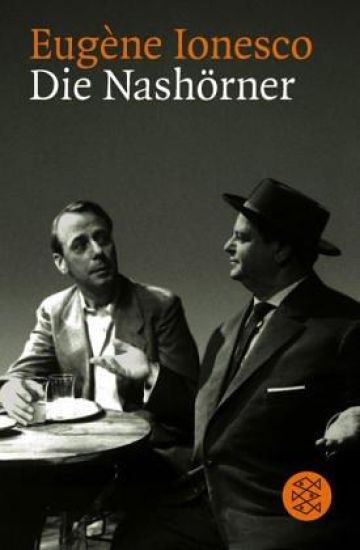
Eugene Ionesco gilt nicht allein als Begründer eines besonderen dramatischen Stils. Seit seinem ersten großen Erfolg mit :Die kahle Sängerin9 (1950) feierten Kritiker und Publikum in seinem absurden Theater das moderne Theater schlechthin. In seinem nach wie vor berühmtesten Stück :Die Nashömer9 protokol-liert Ionesco die Verwandlung einer ganzen Stadt in eine Schar schnaubender, mörderischer Dickhäuter. So, als sei das Normale heute schon Heldentum, entgeht einzig der ganz gewöhnliche, aber freie und verantwortungsbewußte Behringer der grausigen Verwandlung. "Behringer ist das, was lonesco später :Helden der Arri?regarde9 genannt hat, die sich bösem Fortschritt, verhängnisvollen Entwicklungen entgegenstemmen, die am Platz bleiben, :Mensch9 sind und nicht :neuer Menseh9 werden, gegen Zukunftsglauben als Aberglauben. Die Metamorphose :vom Schmetterling zur Raupe9, vom fliegenden zum trampelnden Wesen, vom träumenden Einsamen zum grunzenden Herdentier wird verweigert... Ionesco hat die Ausbreitung des politischen Fanatismus wie die einer Epidemie in seinen Tagebüchern der Bukarester Zeit verzeichnet und dort schon das Bild von den Nashörnern gebraucht, das ihm zu den zoologischen Begriffen der Eisernen Garde, der Befreiung des Instinkts, des Vitalen paßte." (Fran?ois Bondy). Und so erweist sich das Absurde in diesem Stück als zeitgemäße Formulierung der Humanität.
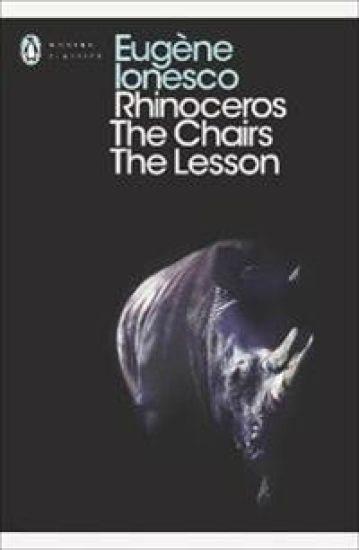
Rhinoceros, The Chairs, The Lesson
Eugene Ionesco
Penguin Classics
2000
pokkari
Halvin toimitettuna 17,00 €
These three great plays by one of the founding fathers of the theatre of the absurd, are alive and kicking with tragedy and humour, bleakness and farce. In Rhinoceros we are shown the innate brutality of people as everyone, except for Berenger, turn into clumsy, unthinking rhinoceroses. The Chairs depicts the futile struggle of two old people to convey the meaning of life to the rest of humanity, while The Lesson is a chilling, but anarchically funny drama of verbal domination. In these three 'antiplays' dream, nonsense and fantasy combine to create an unsettling, bizarre view of society.
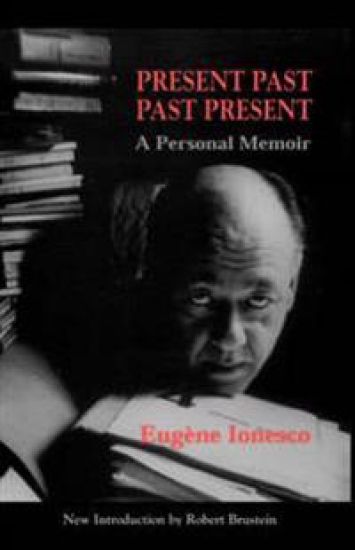
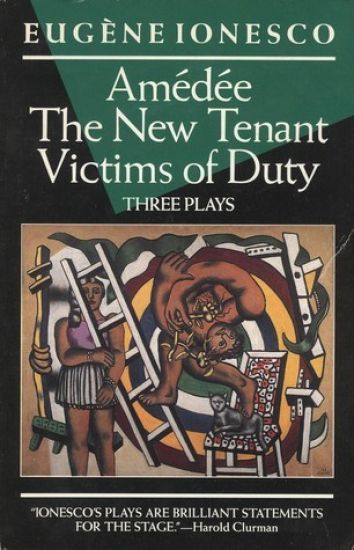
The author of such modern classics as The Bald Soprano, Exit the King, Rhinoceros, and The Chairs, Eugene Ionesco is "one of the most important and influential figures in the modern theater" (Library Journal). This crucial collection combines The New Tenant with Amedee and Victims of Duty--the plays Richard Gilman has called, along with The Killer, Ionesco's "greatest plays, works of the same solidity, fulness, and permanence as [those of] his predecessors in the dramatic revolution that began with Ibsen and is still going on." In Amedee, the title character and his wife have a problem--not so much the corpse in their bedroom as the fact that it's been there for fifteen years and is now growing, slowly but surely crowding them out of their apartment. In The New Tenant a similar crowding is caused by an excess of furniture--as Harold Hobson said in the London Times, "there is not dramatist . . . who can make furniture speak as eloquently as Ionesco, and here he makes it the perfect, the terrifying symbol of the deranged mind." In Victims of Duty, Ionesco parodies the conformity of modern life by plunging his characters into an obscure search for "Mallot with a t." In these as in all his plays, Ionesco poses and solves his tragicomic dilemmas with the brilliant blend of gravity and hilarity that is the hallmark of the absurdist theater.
Exit the King
Eugene Ionesco; Charles Marowitz; Donald Watson
Grove Press / Atlantic Monthly Press
1994
nidottu
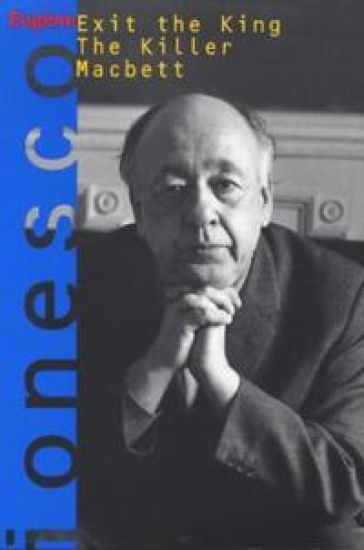
Exit the King is a highly stylized, ritualized death rite unfolding the final hours of the once-great king Berenger the First. As he dies, his kingdom also dies. His armies suffer defeat, the young emigrate, the seasons change overnight, and his kingdom's borders shrink to the outline of his throne. At last, as the curtain falls, the king himself dissolves into a gray mist. The Killer is a study of pure evil. Berenger, a conscientious citizen, finds himself in a radiantly beautiful city marred only by the presence of a killer. Berenger's determination to find the murderer in the face of official indifference and his final defeat at the hands of an impersonal, pitiless cruelty speak with the universality of Kafka's The Trial. Macbett, inspired by Shakespeare's play, is "a grotesque joke . . . [and] a very funny play. . . . Ionecso maliciously undermines sources and traditions, spoofing Shakespeare along with tragedy."--Mel Gussow, The New York Times

First produced in 1963 starring Alec Guinness and successfully revived to great acclaim on Broadway in 2009, this absurdist exploration of ego and mortality is set in the crumbling throne-room of the palace in an unnamed country where King Berenger the First has only the duration of the play to live.-3 women, 3 men