Kirjojen hintavertailu – 12 873 912 kirjaa ja 26 kauppaa

Kirjailija

Eva Pascual I Miro

Kirjat ja teokset yhdessä paikassa: 4 kirjaa, julkaisuja vuosilta 2004–2011, suosituimpiin kuuluu Art and Craft of Leather. Vertaile teosten hintoja ja tarkista saatavuus suomalaisista kirjakaupoista.

Nimi esiintyy myös muodoissa: Eva Pascual I. Miró

4 kirjaa

Kirjojen julkaisuvuodet: 2004–2011.

Emalityöt

Emalityöt

Nuria Lopez-Ribalta; Eva Pascual i Miro

Wild Blue Ky
2011
sidottu
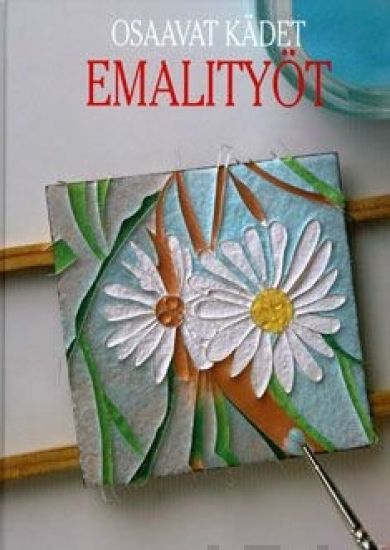
Emalitöillä on pitkät perinteet; niitä valmistettiin jo tuhat vuotta sitten. Nykyään emalityöt kattavat hyvin monipuolisia tekniikoita, ja se onkin erittäin arvostettu taidemuoto. Tämä kirja opettaa yksityiskohtaisesti emalitöiden tärkeimmät tekniikat. Se keskittyy käytännön työhön opastaen lukijan yksityiskohtaisesti läpi eri työvaiheiden. Teoksen alussa esitellään lyhyesti emalitöiden historiaa. Sen jälkeen lukija tutustutetaan emalin - eli metallin päälle levitettävän lasin - ominaisuuksiin ja käyttäytymiseen. Seuraavaksi esitellään erilaiset emalitöissä tarvittavat materiaalit ja työkalut, valmistelevat työvaiheet ja eri tekniikat. Viimeisessä kappaleessa havainnollistetaan vaihe vaiheelta eri taiteilijoiden ideoimien töiden valmistamista.

Advanced Architectural Modelmaking

Advanced Architectural Modelmaking

Eva Pascual I. Miró; Pere Pedrero Carbonero; Ricard Pedrero Coderch

W. W. Norton Company
2010
nidottu
Modelmaking is about building a three-dimensional and reduced-scale representation of a structure or architectural intervention. Models possess a double significance: on the one hand, they are scale representations of projects; on the other hand, they are themselves objects endowed with expressive significance. Advanced Architectural Modelmaking explains the key techniques used to create architectural presentation models. A comprehensive reference for anyone who makes models, either by hand or with the help of a computer, this book covers the basic characteristics of architectural models as a form of representation, the materials and tools used, and the processes involved, considering both the theoretical aspects and main techniques. A step-by-step guide illustrates the entire procedure involved in creating five different types of architectural models. An ideal testing ground for investigating new physical and material solutions, models constitute an intermediate phase in the architectural process between the initial idea and final construction. An essential instrument in presenting and communicating designs, they also help in assessing and checking the solutions that have been conceived, allowing the structural organization and the spatial and massing composition of the work to be reproduced, as well as showing details of the construction: materials, colors, textures, and interrelationships with the environment.
Art and Craft of Leather

Art and Craft of Leather

Maria Teresa Llado I Riba; Eva Pascual I Miro

Barron's Educational Series Inc.,U.S.
2008
sidottu
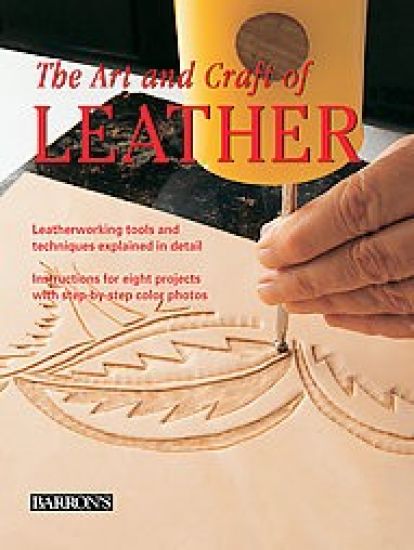
Creating handsome leather products is an enjoyable and rewarding hobby, but it's a craft that requires training and specialized tools. This attractive volume presents beginners with the information and instruction they need to get started. Following a brief illustrated history of leathercraft, the authors describe how animal hides are processed into various types and grades of leather. The heart of this book begins with an introduction to leatherworking tools--mallets, awls, bevellers, groovers, special needles, coloring and dying agents, and others. Next, the authors demonstrate techniques and the use of tools for embossing, cutting, sewing, and shaping. They conclude with detailed, photo-illustrated instructions for eight different projects, which include construction of a beautiful leather basket, an elegant serving tray, a unique clock face, a stylish picture frame, a handsome set of scrapbook covers, and several more beautiful items. Hundreds of instructive color photos and a useful glossary.
Heißes Glas

Heißes Glas

Philippa Beveridge; Ignasi Domenech Vives; Eva Pascual i Miro

Haupt Verlag AG
2004
sidottu
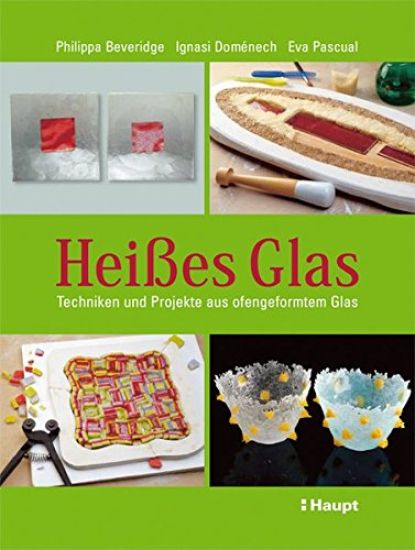
Seit der Bronzezeit bis heute ist Glas ein hoch geschätztes Material und ein beliebter Werkstoff, da seine besonderen Eigenschaften die Kreation von Objekten mit unnachahmlicher Plastizität ermöglichen, die mit anderen Materialien und Techniken nie erreicht wird. Mit der Glaskunst wurden zunächst Edelsteine nachgeahmt, aber schon bald entwickelte sich eine ganz eigene Gestaltungssprache des Glases, die neben den speziellen Techniken der Glasverarbeitung auch Techniken aus anderen kunsthandwerklichen Bereichen, wie der Keramik, dem Mosaik oder der Edelsteinbearbeitung aufnahm. Nach einem kurzen Ausflug in die Geschichte des Glases werden der Werkstoff, die benötigten Materialien sowie die Werkzeuge für die einzelnen Arbeitsschritte vorgestellt. Detailliert und praxisorientiert geht das Autorenteam auf die Verfahren und Brennzyklen des Schmelzens, Senkens, Gießens und auf die Arbeit mit Glaspaste ein - Kenntnisse, die für die Bearbeitung von Glas von entscheidender Bedeutung sind. Zur praktischen Umsetzung der gelernten Techniken zeigt das letzte Kapitel Schritt für Schritt die Herstellung unterschiedlicher Werkstücke - einen Lampenschirm, eine Schale mit eingeschlossenen Motiven oder eine dekorative Vase.