Kirjojen hintavertailu – 12 876 578 kirjaa ja 26 kauppaa

Kirjailija

Eve Kosofsky Sedgwick

Kirjat ja teokset yhdessä paikassa: 15 kirjaa, julkaisuja vuosilta 1993–2026, suosituimpiin kuuluu Paranoidi lukutapa ja reparatiivinen lukutapa. Vertaile teosten hintoja ja tarkista saatavuus suomalaisista kirjakaupoista.

15 kirjaa

Kirjojen julkaisuvuodet: 1993–2026.

Paranoidi lukutapa ja reparatiivinen lukutapa

Paranoidi lukutapa ja reparatiivinen lukutapa

Eve Kosofsky Sedgwick

TUTKIJALIITTO
2026
lehtivihko, moniste

Halvin toimitettuna 20,90 €

”Paranoidi lukutapa ja reparatiivinen lukutapa, eli olet niin paranoidi, että varmaan luulet tässä puhuttavan sinusta” on kirjallisuudentutkija ja queer-teoreetikko Eve Kosofsky Sedgwickin (1950-2009) esittää klassikkoteksti, jossa hän esittää että niin sanottu ”paranoidi” lukutapa, joka pyrkii paljastamaan piilevää väkivaltaa ja sortoa, on nykyään niin vallitseva kriittisen tutkimuksen ja etenkin feministisen ja queer-tutkimuksen kentällä, että muuta vaihtoaehto sille ei oikeastaan edes ole. Sedgwickin mukaan paranoidi lukutapa on ennakoivaa ja negatiivisiin affekteihin kiinnittyvää; se pyrkii eliminoimaan ikävät yllätykset ja sitä kautta se soveltaa omaa analyysikehikkoaan kaikkeen. Mutta onko paranoidi asenne toimiva strategia maailmassa, jossa ei tarvitse olla lainkaan paranoidi nähdäkseen todisteita systeemisestä sorrosta joka puolella? Paranoidin lukutavan rinnalle Sedgwick ehdottaakin reparatiivista eli korjaavaa lukutapaa, jonka suhde kohteeseensa on sekä tiedollisesti että affektiivisesti toisenlainen kuin paranoidin: se ei pyri tietämään kaikkea jo ennalta vaan sallii yllätykset, niin ikävät kuin iloisetkin. Erityisesti se tarjoaa hedelmällisemmän kasvualustan queer-kokemuksesta kumpuaville kulttuurisille käytännöille sekä etsii ja rakentaa maailmaan affirmatiivisempaa suhdetta, jonka kautta löytää uusia selviytymisstrategioita muuttuvassa poliittisessa toimintaympäristössä. ”Paranoidi lukutapa ja reparatiivinen lukutapa” ilmestyi alun perin vuonna 2003 Touching Feeling -kokoelmassa ja nousi nopeasti moderniksi klassikoksi. Tekstin ilmestymisen jälkimainingeissa feministisessä tutkimuksessa onkin puhuttu jopa ”reparatiivisesta käänteestä”.

The Coherence of Gothic Conventions

The Coherence of Gothic Conventions

Eve Kosofsky Sedgwick

TAYLOR FRANCIS LTD
2024
nidottu
First published in 1986, The Coherence of Gothic Conventions makes the case that the Gothic in English literature has been marked by a distinctive and highly influential set of ambitions about relations of meaning. Through readings of classic Gothic authors as well as of De Quincey and the Brontës, Sedgwick links the most characteristic thematic conventions of the Gothic firmly and usably to the genre’s radical claims for representation. The introduction clarifies the connection between the linguistic or epistemological argument of the Gothic and its epochal crystallization of modern gender and modern homophobia. This book will be of interest to students of literature, cultural studies and psychology.
The Coherence of Gothic Conventions

The Coherence of Gothic Conventions

Eve Kosofsky Sedgwick

TAYLOR FRANCIS LTD
2023
sidottu
First published in 1986, The Coherence of Gothic Conventions makes the case that the Gothic in English literature has been marked by a distinctive and highly influential set of ambitions about relations of meaning. Through readings of classic Gothic authors as well as of De Quincey and the Brontës, Sedgwick links the most characteristic thematic conventions of the Gothic firmly and usably to the genre’s radical claims for representation. The introduction clarifies the connection between the linguistic or epistemological argument of the Gothic and its epochal crystallization of modern gender and modern homophobia. This book will be of interest to students of literature, cultural studies and psychology.
Between Men

Between Men

Eve Kosofsky Sedgwick

Columbia University Press
2015
pokkari
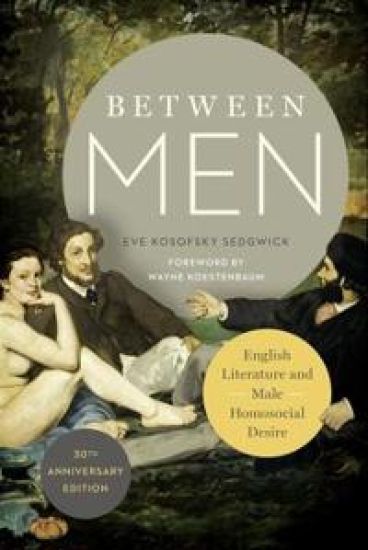
First published in 1985, Between Men was a decisive intervention in gender studies, a book that all but singlehandedly dislodged a tradition of literary critique that suppressed queer subjects and subjectivities. With stunning foresight and conceptual power, Eve Kosofsky Sedgwick's work opened not only literature but also politics, society, and culture to broader investigations of power, sex, and desire, and to new possibilities of critical agency. Illuminating with uncanny prescience Western society's evolving debates on gender and sexuality, Between Men still has much to teach us. With a new foreword by Wayne Koestenbaum emphasizing the work's ongoing relevance, Between Men engages with Shakespeare's Sonnets, Wycherley's The Country Wife, Sterne's A Sentimental Journey Through France and Italy, Hogg's The Private Memoirs and Confessions of a Justified Sinner, Tennyson's The Princess, Eliot's Adam Bede, Thackeray's The History of Henry Esmond, Esq., and Dickens's Our Mutual Friend and The Mystery of Edwin Drood, among many other texts. Its pathbreaking analysis of homosocial desire in Western literature remains vital to the future of queer studies and to explorations of the social transformations in which it participates.
The Weather in Proust

The Weather in Proust

Eve Kosofsky Sedgwick

Duke University Press
2011
sidottu
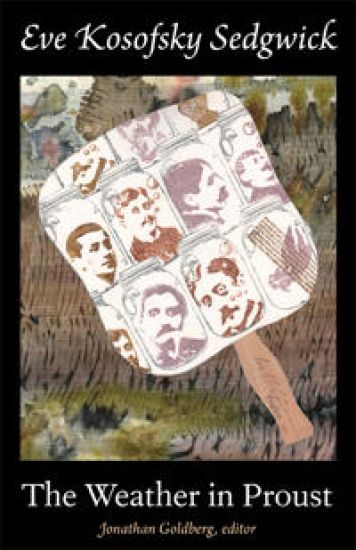
The Weather in Proust gathers pieces written by the eminent critic and theorist Eve Kosofsky Sedgwick in the last decade of her life, as she worked toward a book on Proust. This book takes its title from the first essay, a startlingly original interpretation of Proust. By way of Neoplatonism, Buddhism, and the work of Melanie Klein, Sedgwick establishes the sense of refreshment and surprise that the author of the Recherche affords his readers. Proust also figures in pieces on the poetry of C. P. Cavafy, object relations, affect theory, and Sedgwick’s textile art practices. More explicitly connected to her role as a pioneering queer theorist are an exuberant attack against reactionary refusals of the work of Guy Hocquenghem and talks in which she lays out her central ideas about sexuality and her concerns about the direction of US queer theory. Sedgwick lived for more than a dozen years with a diagnosis of terminal cancer; its implications informed her later writing and thinking, as well as her spiritual and artistic practices. In the book’s final and most personal essay, she reflects on the realization of her impending death. Featuring thirty-seven color images of her art, The Weather in Proust offers a comprehensive view of Sedgwick’s later work, underscoring its diversity and coherence.
The Weather in Proust

The Weather in Proust

Eve Kosofsky Sedgwick

Duke University Press
2011
pokkari
The Weather in Proust gathers pieces written by the eminent critic and theorist Eve Kosofsky Sedgwick in the last decade of her life, as she worked toward a book on Proust. This book takes its title from the first essay, a startlingly original interpretation of Proust. By way of Neoplatonism, Buddhism, and the work of Melanie Klein, Sedgwick establishes the sense of refreshment and surprise that the author of the Recherche affords his readers. Proust also figures in pieces on the poetry of C. P. Cavafy, object relations, affect theory, and Sedgwick’s textile art practices. More explicitly connected to her role as a pioneering queer theorist are an exuberant attack against reactionary refusals of the work of Guy Hocquenghem and talks in which she lays out her central ideas about sexuality and her concerns about the direction of US queer theory. Sedgwick lived for more than a dozen years with a diagnosis of terminal cancer; its implications informed her later writing and thinking, as well as her spiritual and artistic practices. In the book’s final and most personal essay, she reflects on the realization of her impending death. Featuring thirty-seven color images of her art, The Weather in Proust offers a comprehensive view of Sedgwick’s later work, underscoring its diversity and coherence.
Epistemology of the Closet, Updated with a New Preface

Epistemology of the Closet, Updated with a New Preface

Eve Kosofsky Sedgwick

University of California Press
2008
pokkari
Since the late 1980s, queer studies and theory have become vital to the intellectual and political life of the United States. This has been due, in no small degree, to the influence of Eve Kosofsky Sedgwick's critically acclaimed "Epistemology of the Closet". Working from classic texts of European and American writers - including Melville, James, Nietzsche, Proust, and Wilde -Sedgwick analyzes a turn-of-the-century historical moment in which sexual orientation became as important a demarcation of personhood as gender had been for centuries. In her preface to this updated edition Sedgwick places the book both personally and historically, looking specifically at the horror of the first wave of the AIDS epidemic and its influence on the text.
Touching Feeling

Touching Feeling

Eve Kosofsky Sedgwick

Duke University Press
2003
sidottu
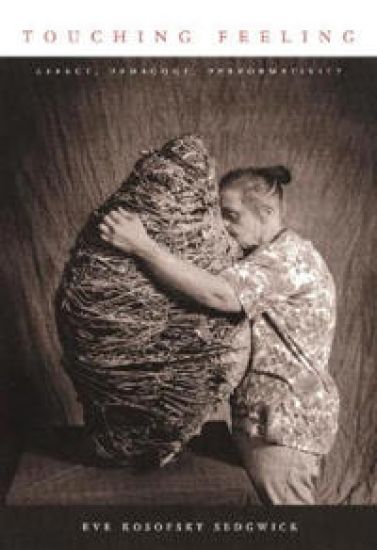
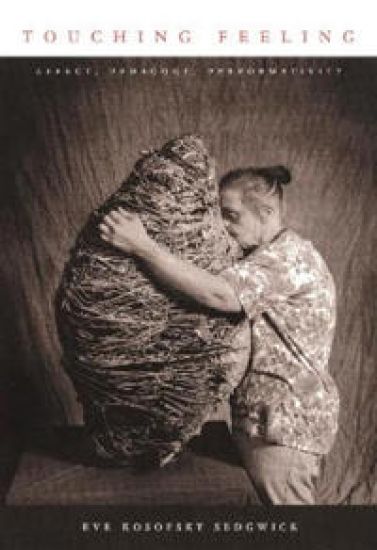
A pioneer in queer theory and literary studies, Eve Kosofsky Sedgwick brings together for the first time in Touching Feeling her most powerful explorations of emotion and expression. In essays that show how her groundbreaking work in queer theory has developed into a deep interest in affect, Sedgwick offers what she calls "tools and techniques for nondualistic thought," in the process touching and transforming such theoretical discourses as psychoanalysis, speech-act theory, Western Buddhism, and the Foucauldian "hermeneutics of suspicion." In prose sometimes somber, often high-spirited, and always accessible and moving, Touching Feeling interrogates-through virtuoso readings of works by Henry James, J. L. Austin, Judith Butler, the psychologist Silvan Tomkins and others-emotion in many forms. What links the work of teaching to the experience of illness? How can shame become an engine for queer politics, performance, and pleasure? Is sexuality more like an affect or a drive? Is paranoia the only realistic epistemology for modern intellectuals? Ultimately, Sedgwick's unfashionable commitment to the truth of happiness propels a book as open-hearted as it is intellectually daring.
Touching Feeling

Touching Feeling

Eve Kosofsky Sedgwick

Duke University Press
2003
pokkari
A pioneer in queer theory and literary studies, Eve Kosofsky Sedgwick brings together for the first time in Touching Feeling her most powerful explorations of emotion and expression. In essays that show how her groundbreaking work in queer theory has developed into a deep interest in affect, Sedgwick offers what she calls "tools and techniques for nondualistic thought," in the process touching and transforming such theoretical discourses as psychoanalysis, speech-act theory, Western Buddhism, and the Foucauldian "hermeneutics of suspicion." In prose sometimes somber, often high-spirited, and always accessible and moving, Touching Feeling interrogates-through virtuoso readings of works by Henry James, J. L. Austin, Judith Butler, the psychologist Silvan Tomkins and others-emotion in many forms. What links the work of teaching to the experience of illness? How can shame become an engine for queer politics, performance, and pleasure? Is sexuality more like an affect or a drive? Is paranoia the only realistic epistemology for modern intellectuals? Ultimately, Sedgwick's unfashionable commitment to the truth of happiness propels a book as open-hearted as it is intellectually daring.
Fat Art, Thin Art

Fat Art, Thin Art

Eve Kosofsky Sedgwick

Duke University Press
1994
sidottu
Eve Kosofsky Sedgwick is best known as a cultural and literary critic, as one of the primary forces behind the development of queer and gay/lesbian studies, and as author of several influential books: Tendencies, Epistemology of the Closet, and Between Men: English Literature and Male Homosocial Desire. The publication of Fat Art, Thin Art, Sedgwick’s first volume of poetry, opens up another dimension of her continuing project of crossing and re-crossing the electrified boundaries between theory, lyric, and narrative. Embodying a decades-long adventure, the poems collected here offer the most accessible and definitive formulations to appear anywhere in Sedgwick’s writing on some characteristic subjects and some new ones: passionate attachments within and across genders; queer childhoods of many kinds; the performativity of a long, unconventional marriage; depressiveness, hilarity, and bliss; grave illness; despised and magnetic bodies and bodily parts. In two long fictional poems, a rich narrative momentum engages readers in the mysterious places-including Victorian novels-where characters, sexualities, and fates are unmade and made. Sedgwick’s poetry opens an unfamiliar, intimate, daring space that steadily refigures not only what a critic may be, but what a poem can do.
Fat Art, Thin Art

Fat Art, Thin Art

Eve Kosofsky Sedgwick

Duke University Press
1994
pokkari
Eve Kosofsky Sedgwick is best known as a cultural and literary critic, as one of the primary forces behind the development of queer and gay/lesbian studies, and as author of several influential books: Tendencies, Epistemology of the Closet, and Between Men: English Literature and Male Homosocial Desire. The publication of Fat Art, Thin Art, Sedgwick’s first volume of poetry, opens up another dimension of her continuing project of crossing and re-crossing the electrified boundaries between theory, lyric, and narrative. Embodying a decades-long adventure, the poems collected here offer the most accessible and definitive formulations to appear anywhere in Sedgwick’s writing on some characteristic subjects and some new ones: passionate attachments within and across genders; queer childhoods of many kinds; the performativity of a long, unconventional marriage; depressiveness, hilarity, and bliss; grave illness; despised and magnetic bodies and bodily parts. In two long fictional poems, a rich narrative momentum engages readers in the mysterious places-including Victorian novels-where characters, sexualities, and fates are unmade and made. Sedgwick’s poetry opens an unfamiliar, intimate, daring space that steadily refigures not only what a critic may be, but what a poem can do.
Tendencies

Tendencies

Eve Kosofsky Sedgwick

Duke University Press
1993
pokkari
Tendencies brings together for the first time the essays that have made Eve Kosofsky Sedgwick "the soft-spoken queen of gay studies" (Rolling Stone). Combining poetry, wit, polemic, and dazzling scholarship with memorial and autobiography, these essays have set new standards of passion and truthfulness for current theoretical writing. The essays range from Diderot, Oscar Wilde, and Henry James to queer kids and twelve-step programs; from "Jane Austen and the Masturbating Girl" to a performance piece on Divine written with Michael Moon; from political correctness and the poetics of spanking to the experience of breast cancer in a world ravaged and reshaped by AIDS. What unites Tendencies is a vision of a new queer politics and thought that, however demanding and dangerous, can also be intent, inclusive, writerly, physical, and sometimes giddily fun.
Tendencies

Tendencies

Eve Kosofsky Sedgwick

Duke University Press
1993
sidottu
Tendencies brings together for the first time the essays that have made Eve Kosofsky Sedgwick "the soft-spoken queen of gay studies" (Rolling Stone). Combining poetry, wit, polemic, and dazzling scholarship with memorial and autobiography, these essays have set new standards of passion and truthfulness for current theoretical writing. The essays range from Diderot, Oscar Wilde, and Henry James to queer kids and twelve-step programs; from "Jane Austen and the Masturbating Girl" to a performance piece on Divine written with Michael Moon; from political correctness and the poetics of spanking to the experience of breast cancer in a world ravaged and reshaped by AIDS. What unites Tendencies is a vision of a new queer politics and thought that, however demanding and dangerous, can also be intent, inclusive, writerly, physical, and sometimes giddily fun.