Kirjojen hintavertailu – 12 903 725 kirjaa ja 27 kauppaa

Kirjailija

Evelyn Goh

Kirjat ja teokset yhdessä paikassa: 8 kirjaa, julkaisuja vuosilta 2007–2024, suosituimpiin kuuluu Developing the Mekong. Vertaile teosten hintoja ja tarkista saatavuus suomalaisista kirjakaupoista.

8 kirjaa

Kirjojen julkaisuvuodet: 2007–2024.

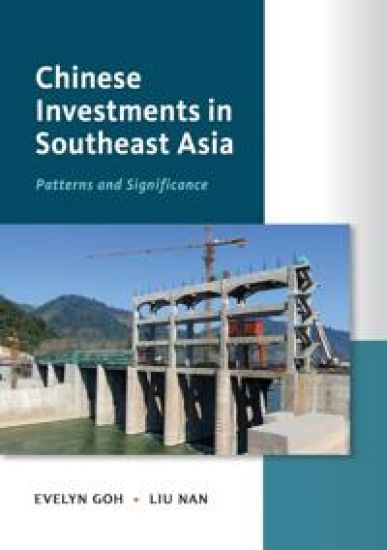
Chinese Investments in Southeast Asia

Chinese Investments in Southeast Asia

Evelyn Goh; Liu Nan

ISEAS
2024
nidottu
Southeast Asia's growing economic linkages with China have generated political opportunities and strategic concerns in equal measure. This study provides a fuller picture of Chinese investments in Southeast Asia for those seeking to understand its significance and impacts. From their carefully constructed dataset, Goh and Liu provide a regionwide, multi-sectoral analysis quantitative survey and analysis of key changes in Chinese investments in Southeast Asian economies over fifteen years, from 2005 to 2019. Additionally, they provide a qualitative assessment of the geopolitical significance of these trends and patterns. Thus, this study creates a baseline understanding of more recent Chinese investments in the region. In the near future, when a feasible data series can be collated for the years from 2020, it will also allow a sharper analysis of the effects of the COVID-19 pandemic on Chinese investments in the region.
Rethinking Sino-Japanese Alienation

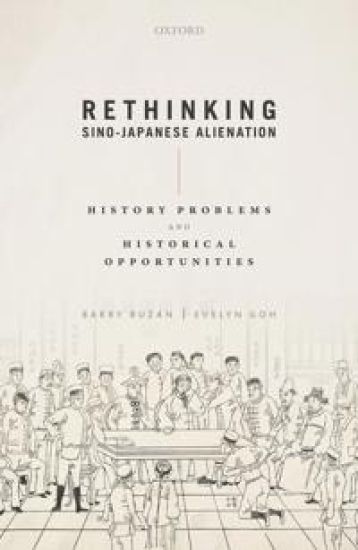
Rethinking Sino-Japanese Alienation

Barry Buzan; Evelyn Goh

Oxford University Press
2020
nidottu
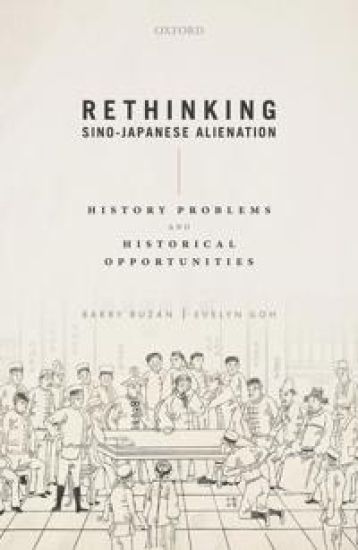
Bitterly contested memories of war, colonisation, and empire among Japan, China, and Korea have increasingly threatened regional order and security over the past three decades. In Sino-Japanese relations, identity, territory, and power pull together in a particularly lethal direction, generating dangerous tensions in both geopolitical and memory rivalries. Buzan and Goh explore a new approach to dealing with this history problem. First, they construct a more balanced and global view of China and Japan in modern world history. Second, building on this, they sketch out the possibilities for a 21st century great power bargain between them. Buzan puts Northeast Asia's history since 1840 into both a world historical and a systematic normative context, exposing the parochial nature of the China-Japan history debate in relation to what is a bigger shared story about their encounter with modernity and the West, within which their modern encounter with each other took place. Arguing that regional order will ultimately depend substantially on the relationship between these two East Asian great powers, Goh explores the conditions under which China and Japan have been able to reach strategic bargains in the course of their long historical relationship, and uses this to sketch out the main modes of agreement that might underpin a new contemporary great power bargain between them in a variety of future scenarios for the region. The frameworks adopted here consciously blend historical contextualisation, enduring concerns with wealth, power and interest, and the complex relationship between Northeast Asian states' evolving encounters with each other and with global international society.
Rethinking Sino-Japanese Alienation

Rethinking Sino-Japanese Alienation

Barry Buzan; Evelyn Goh

Oxford University Press
2020
sidottu
Bitterly contested memories of war, colonisation, and empire among Japan, China, and Korea have increasingly threatened regional order and security over the past three decades. In Sino-Japanese relations, identity, territory, and power pull together in a particularly lethal direction, generating dangerous tensions in both geopolitical and memory rivalries. Buzan and Goh explore a new approach to dealing with this history problem. First, they construct a more balanced and global view of China and Japan in modern world history. Second, building on this, they sketch out the possibilities for a 21st century great power bargain between them. Buzan puts Northeast Asia's history since 1840 into both a world historical and a systematic normative context, exposing the parochial nature of the China-Japan history debate in relation to what is a bigger shared story about their encounter with modernity and the West, within which their modern encounter with each other took place. Arguing that regional order will ultimately depend substantially on the relationship between these two East Asian great powers, Goh explores the conditions under which China and Japan have been able to reach strategic bargains in the course of their long historical relationship, and uses this to sketch out the main modes of agreement that might underpin a new contemporary great power bargain between them in a variety of future scenarios for the region. The frameworks adopted here consciously blend historical contextualisation, enduring concerns with wealth, power and interest, and the complex relationship between Northeast Asian states' evolving encounters with each other and with global international society.
Developing the Mekong

Developing the Mekong

Evelyn Goh

Routledge
2017
sidottu
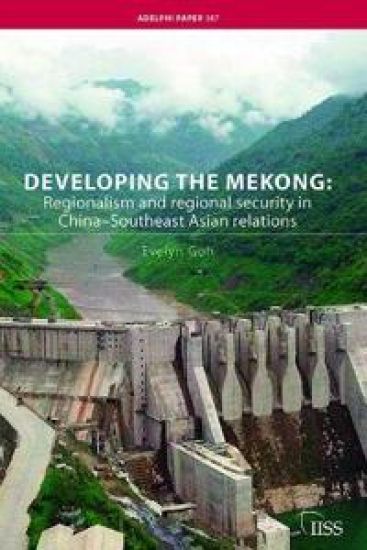
In Southeast Asia, China‘s growing economic and political strength has been accompanied by adept diplomacy and active promotion of regional cooperation, institutions and integration. Southeast Asian states and China engage in ‘strategic regionalism : they seek regional membership for regime legitimation and collective bargaining; and regional integration to enhance economic development, regarded as essential for ensuring national and regime security. Sino-Southeast Asian regionalism is exemplified by the development plans for the Mekong River basin, where ambitious projects for building regional infrastructural linkages and trade contribute to mediating the security concerns of the Mekong countries. However, Mekong regionalism also generates new insecurities. Developing the resources of the Mekong has led to serious challenges in terms of governance, distribution and economic externalities. Resource-allocation and exploitation conflicts occur most obviously within the realm of water projects, especially hydropower development programmes. While such disputes are not likely to erupt into armed conflict because of the power asymmetry between China and the lower Mekong states, they exacerbate Southeast Asian concerns about China‘s rise and undermine Chinese rhetoric about peaceful development. But the negative security consequences of developing the Mekong are also due to the shared economic imperative, and the Southeast Asian states own difficulties with collective action due to existing intramural conflicts.
The Struggle for Order

The Struggle for Order

Evelyn Goh

Oxford University Press
2015
nidottu
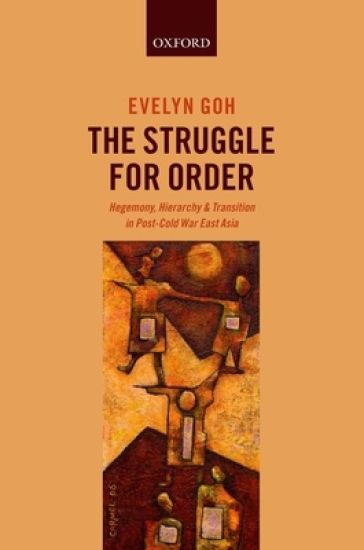
How has world order changed since the Cold War ended? Do we live in an age of American empire, or is global power shifting to the East with the rise of China? Arguing that existing ideas about balance of power and power transition are inadequate, this book gives an innovative reinterpretation of the changing nature of U. S. power, focused on the 'order transition' in East Asia. Hegemonic power is based on both coercion and consent, and hegemony is crucially underpinned by shared norms and values. Thus hegemons must constantly legitimize their unequal power to other states. In periods of strategic change, the most important political dynamics centre on this bargaining process, conceived here as the negotiation of a social compact. This book studies the re-negotiation of this consensual compact between the U. S., China, and other states in post-Cold War East Asia. It analyses institutional bargains to constrain and justify power; attempts to re-define the relationship between a regional community and the global economic order; the evolution of great power authority in regional conflict management, and the salience of competing justice claims in memory disputes. It finds that U. S. hegemony has been established in East Asia after the Cold War mainly because of the complicity of key regional states. But the new social compact also makes room for rising powers and satisfies smaller states' insecurities. The book controversially proposes that the East Asian order is multi-tiered and hierarchical, led by the U. S. but incorporating China, Japan, and other states in the layers below it.
The Struggle for Order

The Struggle for Order

Evelyn Goh

Oxford University Press
2013
sidottu
How has world order changed since the Cold War ended? Do we live in an age of American empire, or is global power shifting to the East with the rise of China? Arguing that existing ideas about balance of power and power transition are inadequate, this book gives an innovative reinterpretation of the changing nature of U. S. power, focused on the 'order transition' in East Asia. Hegemonic power is based on both coercion and consent, and hegemony is crucially underpinned by shared norms and values. Thus hegemons must constantly legitimize their unequal power to other states. In periods of strategic change, the most important political dynamics centre on this bargaining process, conceived here as the negotiation of a social compact. This book studies the re-negotiation of this consensual compact between the U. S., China, and other states in post-Cold War East Asia. It analyses institutional bargains to constrain and justify power; attempts to re-define the relationship between a regional community and the global economic order; the evolution of great power authority in regional conflict management, and the salience of competing justice claims in memory disputes. It finds that U. S. hegemony has been established in East Asia after the Cold War mainly because of the complicity of key regional states. But the new social compact also makes room for rising powers and satisfies smaller states' insecurities. The book controversially proposes that the East Asian order is multi-tiered and hierarchical, led by the U. S. but incorporating China, Japan, and other states in the layers below it.
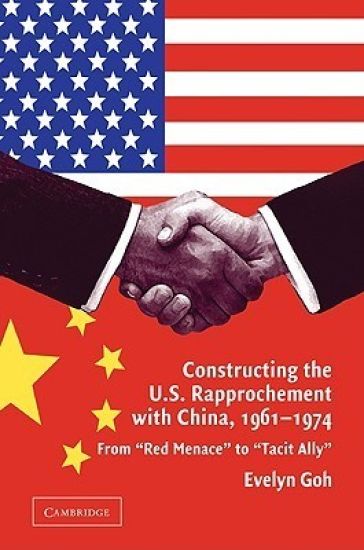
Constructing the U.S. Rapprochement with China, 1961–1974
With Nixon's historic reconciliation with China in 1972, Sino-American relations were restored, and China moved from being regarded as America's most implacable enemy to a friend and tacit ally. Existing accounts of the rapprochement focus on the shifting balance of power between the USA, China and the Soviet Union, but in this book Goh argues that they cannot adequately explain the timing and policy choices related to Washington's decisions for reconciliation with Beijing. Instead, she applies a more historically sensitive approach that privileges contending official American constructions of China's identity and character. This book demonstrates that ideas of reconciliation with China were already being propagated and debated within official circles in the USA during the 1960s. It traces the related policy discourse and imagery, and examines their continuities and evolution into the early 1970s that facilitated Nixon's new policy.
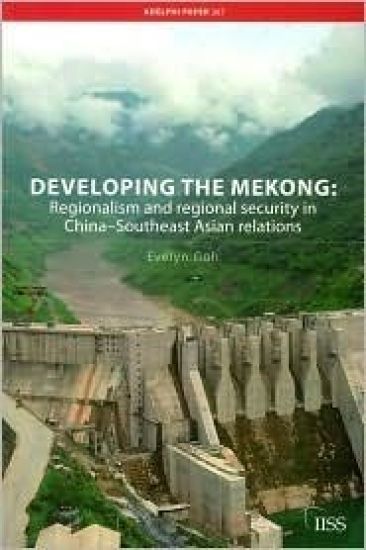
Developing the Mekong

Developing the Mekong

Evelyn Goh

Routledge
2007
nidottu
In Southeast Asia, China’s growing economic and political strength has been accompanied by adept diplomacy and active promotion of regional cooperation, institutions and integration. Southeast Asian states and China engage in ‘strategic regionalism’: they seek regional membership for regime legitimation and collective bargaining; and regional integration to enhance economic development, regarded as essential for ensuring national and regime security. Sino-Southeast Asian regionalism is exemplified by the development plans for the Mekong River basin, where ambitious projects for building regional infrastructural linkages and trade contribute to mediating the security concerns of the Mekong countries. However, Mekong regionalism also generates new insecurities. Developing the resources of the Mekong has led to serious challenges in terms of governance, distribution and economic externalities. Resource-allocation and exploitation conflicts occur most obviously within the realm of water projects, especially hydropower development programmes. While such disputes are not likely to erupt into armed conflict because of the power asymmetry between China and the lower Mekong states, they exacerbate Southeast Asian concerns about China’s rise and undermine Chinese rhetoric about peaceful development. But the negative security consequences of developing the Mekong are also due to the shared economic imperative, and the Southeast Asian states’ own difficulties with collective action due to existing intramural conflicts.