

Kirjojen hintavertailu – 12 903 725 kirjaa ja 27 kauppaa

Kirjailija

Fabio Barry

Kirjat ja teokset yhdessä paikassa: 2 kirjaa, julkaisuja vuosilta 2021–2027, suosituimpiin kuuluu Writing the Cappella Gregoriana: Architecture and Ekphrasis in the First Baroque Chapel. Vertaile teosten hintoja ja tarkista saatavuus suomalaisista kirjakaupoista.

2 kirjaa

Kirjojen julkaisuvuodet: 2021–2027.

Writing the Cappella Gregoriana: Architecture and Ekphrasis in the First Baroque Chapel
This volume publishes for the first time Lorenzo Frizolio's Sacellum Gregorianum (Rome, 1582), Ascanio Valentino's Sacellum Gregorianum (Rome, 1583) and Robert Turner's Panegyrici sermones duo (Ingolstadt, 1583). These three Neo-Latin verse and prose works describe the first monumental Baroque chapel, the Cappella Gregoriana in St. Peter's in Rome, which was built in 1580 by Pope Gregory XIII. The chapel famously holds the relics of the theologian, poet and saint, Gregory of Nazianzus (c. 330 - c. 389), whose elaborate and classically inspired procession to the mausoleum was recorded by the three Renaissance writers of this book. In over 500 Virgilian hexameters, Lorenzo Frizolio refashioned the chapel in words, itemising its sculptures, marbles, and mosaics from floor to dome. Ascanio Valentino was then prompted to offer a prose parallel which analysed with meticulous detail and crafted rhetoric the chapel's furnishings and technologies. Lastly, Robert Turner wrote a detailed description of the relics. These three texts are accompanied by translations and commentaries, as well as individual introductions explaining the historical context.
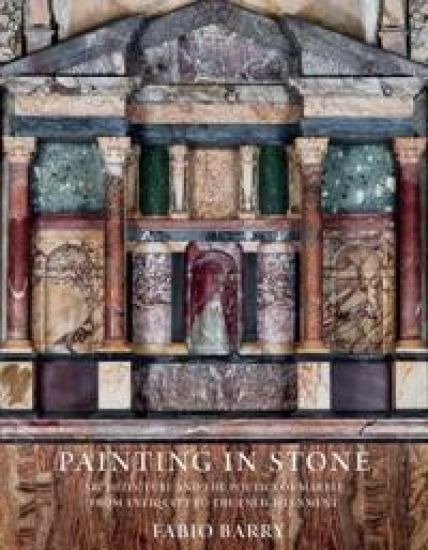
Painting in Stone

Painting in Stone

Fabio Barry

YALE UNIVERSITY PRESS
2021
pokkari
A sweeping history of premodern architecture told through the material of stone Spanning almost five millennia, Painting in Stone tells a new history of premodern architecture through the material of precious stone. Lavishly illustrated examples include the synthetic gems used to simulate Sumerian and Egyptian heavens; the marble temples and mansions of Greece and Rome; the painted palaces and polychrome marble chapels of early modern Italy; and the multimedia revival in 19th-century England. Poetry, the lens for understanding costly marbles as an artistic medium, summoned a spectrum of imaginative associations and responses, from princes and patriarchs to the populace. Three salient themes sustained this “lithic imagination”: marbles as images of their own elemental substance according to premodern concepts of matter and geology; the perceived indwelling of astral light in earthly stones; and the enduring belief that colored marbles exhibited a form of natural—or divine—painting, thanks to their vivacious veining, rainbow palette, and chance images.