Kirjojen hintavertailu – 12 859 829 kirjaa ja 27 kauppaa

Kirjailija

Farah Khan

Kirjat ja teokset yhdessä paikassa: 9 kirjaa, julkaisuja vuosilta 2008–2023, suosituimpiin kuuluu Scavenging Evaluation of Pb & Cu During In Vitro Growth of Tulsi. Vertaile teosten hintoja ja tarkista saatavuus suomalaisista kirjakaupoista.

9 kirjaa

Kirjojen julkaisuvuodet: 2008–2023.

Shifting Sands

Shifting Sands

Farah Khan

Lulu Press Inc
2023
pokkari
In 'Shifting Sands: A Journey of Self-Discovery and Freedom, ' Sarah Khan takes us on an intimate journey of self-discovery, identity, and liberation. The story follows Farah, a non-binary individual from a wealthy Saudi Arabian family, who bravely flees their homeland to embrace a life of authenticity in London. This emotionally charged narrative explores the challenges Farah faces as they navigate their identity, adopt a vegan lifestyle, and use art as a form of self-expression. This powerful tale is a testament to the human spirit, showcasing the courage it takes to defy societal norms and live one's truth. Embark on Farah's remarkable journey and immerse yourself in this moving tale of resilience, acceptance, and personal freedom
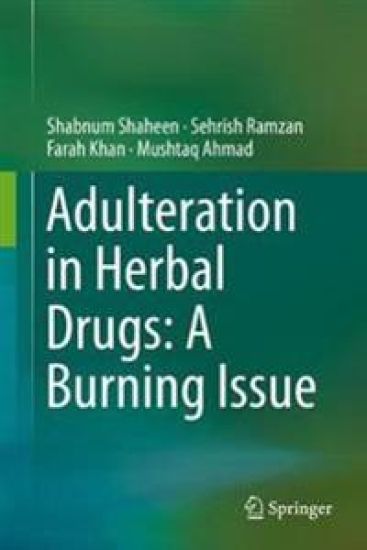
Adulteration in Herbal Drugs: A Burning Issue

Adulteration in Herbal Drugs: A Burning Issue

Shabnum Shaheen; Sehrish Ramzan; Farah Khan; Mushtaq Ahmad

Springer Nature Switzerland AG
2020
nidottu
Substitution and adulteration in traded herbal raw material are common practice in the herbal industry due to the extinction of required species, deforestation and incorrect taxonomical identification. Herbalists have adopted methods to create high quality adulteration which cannot be detected without performing microscopic examination or chemical analysis. It is difficult to establish specific quality control standards due to the complex nature and innate unpredictability of the chemical constituents of medicinal herbs. The main parameters for measurement and adulteration prevention in medicinal herbs are morphological and microscopic investigation, chemical profiling and DNA barcoding. The need for highly sensitive and more effective approaches for the authentication of medicinal herbs is necessary in order to promote the acceptance of herbal products. Adulteration In Traditional Medicinal Herbs is aimed at promoting awareness of adulteration in traditional herbal medicines for the worldwide scientific community. Parameters are established for the prevention of adulteration through classical and modern scientific tools. Valuable case studies are presented based on ethno-medicinal surveys performed in many herbal markets in Pakistan. Collections of various samples were obtained from these shops then compared with the original plants collected from field. Various phytochemical, organoleptic and DNA barcoding techniques were used in order to detect adulteration in the marketed herbal samples. This book is the first of its kind and is aimed at helping the scientific community to identify particular medicinal plants which are facing adulteration problems in herbal markets and to estimate the extent of adulteration and substitution in commonly used medicinal herbs.
Adulteration in Herbal Drugs: A Burning Issue

Adulteration in Herbal Drugs: A Burning Issue

Shabnum Shaheen; Sehrish Ramzan; Farah Khan; Mushtaq Ahmad

Springer Nature Switzerland AG
2019
sidottu
Substitution and adulteration in traded herbal raw material are common practice in the herbal industry due to the extinction of required species, deforestation and incorrect taxonomical identification. Herbalists have adopted methods to create high quality adulteration which cannot be detected without performing microscopic examination or chemical analysis. It is difficult to establish specific quality control standards due to the complex nature and innate unpredictability of the chemical constituents of medicinal herbs. The main parameters for measurement and adulteration prevention in medicinal herbs are morphological and microscopic investigation, chemical profiling and DNA barcoding. The need for highly sensitive and more effective approaches for the authentication of medicinal herbs is necessary in order to promote the acceptance of herbal products. Adulteration In Traditional Medicinal Herbs is aimed at promoting awareness of adulteration in traditional herbal medicines for the worldwide scientific community. Parameters are established for the prevention of adulteration through classical and modern scientific tools. Valuable case studies are presented based on ethno-medicinal surveys performed in many herbal markets in Pakistan. Collections of various samples were obtained from these shops then compared with the original plants collected from field. Various phytochemical, organoleptic and DNA barcoding techniques were used in order to detect adulteration in the marketed herbal samples. This book is the first of its kind and is aimed at helping the scientific community to identify particular medicinal plants which are facing adulteration problems in herbal markets and to estimate the extent of adulteration and substitution in commonly used medicinal herbs.