Kirjojen hintavertailu – 12 859 818 kirjaa ja 27 kauppaa

Kirjailija

Federico Mazzolani

Kirjat ja teokset yhdessä paikassa: 11 kirjaa, julkaisuja vuosilta 1994–2019, suosituimpiin kuuluu Ductility of Seismic-Resistant Steel Structures. Vertaile teosten hintoja ja tarkista saatavuus suomalaisista kirjakaupoista.

11 kirjaa

Kirjojen julkaisuvuodet: 1994–2019.

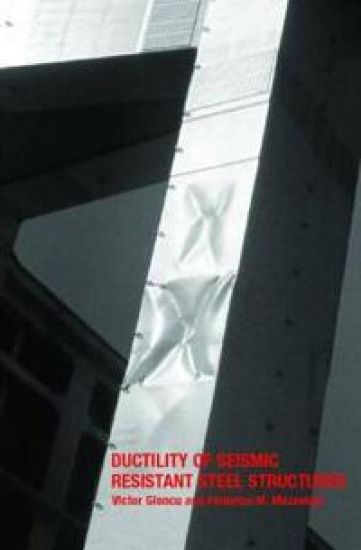
Ductility of Seismic-Resistant Steel Structures

Ductility of Seismic-Resistant Steel Structures

Victor Gioncu; Federico Mazzolani

CRC Press
2019
nidottu
This book is a state-of-the-art report on the ductility of steel structures, containing a comprehensive review of the technical literature available, and presenting the results of the authors' own extensive research activities in this area. Analytical and numerical methods are described, and a wealth of practical information is provided. Ductility of Seismic-Resistant Steel Structures will be of great use to advanced students, researchers, designers and professionals in the field of civil, structural and earthquake engineering.
Theory and Design of Seismic Resistant Steel Frames

Theory and Design of Seismic Resistant Steel Frames

Federico Mazzolani; Vincenzo Piluso

CRC Press
2019
nidottu
A state-of-the-art summary of recent developments in the behaviour, analysis and design of seismic resistant steel frames. Much more than a simple background volume, it gives the most recent results which can be used in the near future to improve the codified recommendations for steel structures in seismic zones. It contains new material which cannot be found in any standard reference book on seismic engineering.
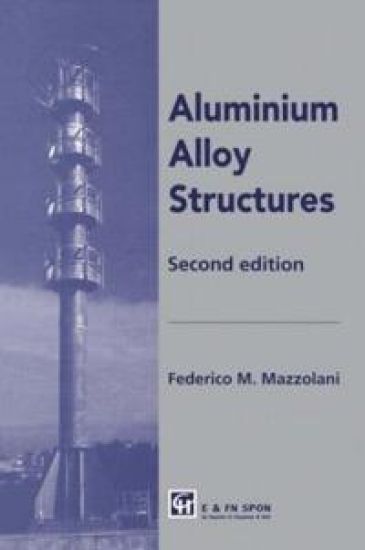
Aluminium Alloy Structures

Aluminium Alloy Structures

Federico Mazzolani

CRC Press
2019
nidottu
This book examines the ways in which aluminium and its alloys satisfy the requirements of civil engineering structures and the applications in which they compete with steel. The first edition has become known as an authoritative design reference book on the subject. As a result of the author's continuing research in the field, the new edition is thoroughly revised and updated.
Earthquake Engineering for Structural Design

Earthquake Engineering for Structural Design

Victor Gioncu; Federico Mazzolani

CRC Press
2017
nidottu
Developments in Earthquake Engineering have focussed on the capacity and response of structures. They often overlook the importance of seismological knowledge to earthquake-proofing of design. It is not enough only to understand the anatomy of the structure, you must also appreciate the nature of the likely earthquake. Seismic design, as detailed in this book, is the bringing together of Earthquake Engineering and Engineering Seismology. It focuses on the seismological aspects of design – analyzing various types of earthquake and how they affect structures differently. Understanding the distinction between these earthquake types and their different impacts on buildings can make the difference between whether a building stands or falls, or at least to how much it costs to repair. Covering the basis and basics of the major international codes, this is the essential guide for professionals working on structures in earthquake zones around the world.
Seismic Design of Steel Structures

Seismic Design of Steel Structures

Victor Gioncu; Federico Mazzolani

CRC Press
2013
sidottu
Providing real world applications for different structural types and seismic characteristics, Seismic Design of Steel Structures combines knowledge of seismic behavior of steel structures with the principles of earthquake engineering. This book focuses on seismic design, and concentrates specifically on seismic-resistant steel structures. Drawing on experience from the Northridge to the Tohoku earthquakes, it combines understanding of the seismic behavior of steel structures with the principles of earthquake engineering. The book focuses on the global as well as local behavior of steel structures and their effective seismic-resistant design. It recognises different types of earthquakes, takes into account the especial danger of fire after earthquake, and proposes new bracing and connecting systems for new seismic resistant steel structures, and also for upgrading existing reinforced concrete structures. Includes the results of the extensive use of the DUCTROCT M computer program, which is used for the evaluation of the seismic available ductility, both monotonic and cyclic, for different types of earthquakesDemonstrates good design principles by highlighting the behavior of seismic-resistant steel structures in many applications from around the worldProvides a methodological approach, making a clear distinction between strong and low-to-moderate seismic regionsThis book serves as a reference for structural engineers involved in seismic design, as well as researchers and graduate students of seismic structural analysis and design.
Seismic Design of Steel Structures

Seismic Design of Steel Structures

Victor Gioncu; Federico Mazzolani

CRC Press
2013
nidottu
Providing real world applications for different structural types and seismic characteristics, Seismic Design of Steel Structures combines knowledge of seismic behavior of steel structures with the principles of earthquake engineering. This book focuses on seismic design, and concentrates specifically on seismic-resistant steel structures. Drawing on experience from the Northridge to the Tohoku earthquakes, it combines understanding of the seismic behavior of steel structures with the principles of earthquake engineering. The book focuses on the global as well as local behavior of steel structures and their effective seismic-resistant design. It recognises different types of earthquakes, takes into account the especial danger of fire after earthquake, and proposes new bracing and connecting systems for new seismic resistant steel structures, and also for upgrading existing reinforced concrete structures. Includes the results of the extensive use of the DUCTROCT M computer program, which is used for the evaluation of the seismic available ductility, both monotonic and cyclic, for different types of earthquakesDemonstrates good design principles by highlighting the behavior of seismic-resistant steel structures in many applications from around the worldProvides a methodological approach, making a clear distinction between strong and low-to-moderate seismic regionsThis book serves as a reference for structural engineers involved in seismic design, as well as researchers and graduate students of seismic structural analysis and design.
Earthquake Engineering for Structural Design

Earthquake Engineering for Structural Design

Victor Gioncu; Federico Mazzolani

CRC Press
2010
sidottu
Developments in Earthquake Engineering have focussed on the capacity and response of structures. They often overlook the importance of seismological knowledge to earthquake-proofing of design. It is not enough only to understand the anatomy of the structure, you must also appreciate the nature of the likely earthquake. Seismic design, as detailed in this book, is the bringing together of Earthquake Engineering and Engineering Seismology. It focuses on the seismological aspects of design – analyzing various types of earthquake and how they affect structures differently. Understanding the distinction between these earthquake types and their different impacts on buildings can make the difference between whether a building stands or falls, or at least to how much it costs to repair. Covering the basis and basics of the major international codes, this is the essential guide for professionals working on structures in earthquake zones around the world.
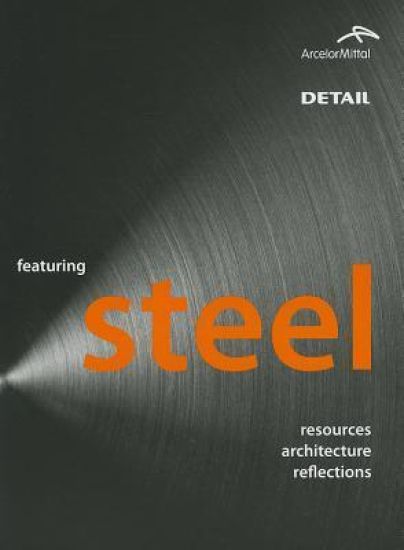
Featuring Steel

Featuring Steel

Andrea Bruno; Michael Davies; Markus Feldmann; Federico Mazzolani; Gerard O'Sullivan; Francis Rambert; Alexander Reichel; van Wyk Llwellyn

Edition Detail
2009
sidottu
Steel is distinctly versatile building material whose powers lie in wide-span constructions in the field of civil engineering as well as facade surfacing or of high-rise houses. Steel is very trendy. This can be seen not only with the growing number of skyscrapers in Asia; the material is also increasingly used in surface design. This publication about steel in construction is aimed at the promotion of steel as favoured construction and building material giving all necessary information to enable planers and decision makers to base their project conceptions and pre-design on steel solutions. You will find in this book: Designing steel structures The basics of construction The 21st century paradigm -High Performance Green Buildings The economic benefits of steel in construction Steel products and fabrication
Ductility of Seismic-Resistant Steel Structures

Ductility of Seismic-Resistant Steel Structures

Victor Gioncu; Federico Mazzolani

Spon Press
2002
sidottu
This book is a state-of-the-art report on the ductility of steel structures, containing a comprehensive review of the technical literature available, and presenting the results of the authors' own extensive research activities in this area. Analytical and numerical methods are described, and a wealth of practical information is provided. Ductility of Seismic-Resistant Steel Structures will be of great use to advanced students, researchers, designers and professionals in the field of civil, structural and earthquake engineering.
Theory and Design of Seismic Resistant Steel Frames

Theory and Design of Seismic Resistant Steel Frames

Federico Mazzolani; Vincenzo Piluso

Spon Press
1996
sidottu
A state-of-the-art summary of recent developments in the behaviour, analysis and design of seismic resistant steel frames. Much more than a simple background volume, it gives the most recent results which can be used in the near future to improve the codified recommendations for steel structures in seismic zones. It contains new material which cannot be found in any standard reference book on seismic engineering.
Aluminium Alloy Structures

Aluminium Alloy Structures

Federico Mazzolani

Spon Press
1994
sidottu
This book examines the ways in which aluminium and its alloys satisfy the requirements of civil engineering structures and the applications in which they compete with steel. The first edition has become known as an authoritative design reference book on the subject. As a result of the author's continuing research in the field, the new edition is thoroughly revised and updated.