
Kirjailija
Fédor Mikhaïlovitch Dostoïevski
Kirjat ja teokset yhdessä paikassa: 46 kirjaa, julkaisuja vuosilta 2013–2026, suosituimpiin kuuluu Le Double. Vertaile teosten hintoja ja tarkista saatavuus suomalaisista kirjakaupoista.
Nimi esiintyy myös muodoissa: Fedor Mikhailovitch Dostoievski, Fedor Mikhaïlovitch Dostoïevski
46 kirjaa
Kirjojen julkaisuvuodet: 2013–2026.
Crime and punishment
Fedor Mikhaïlovitch Dostoïevski; Fyodor Dostoevsky
Les prairies numeriques
2020
pokkari
Fyodor Dostoevsky's classic tale of Rodion Raskolnikov, the murder he commits as an exploration of the human condition, and the crushing criminal and psychological consequences. The two years before he wrote Crime and Punishment (1866) had been bad ones for Dostoyevsky. His wife and brother had died the magazine he and his brother had started, Epoch, collapsed under its load of debt and he was threatened with debtor's prison. With an advance that he managed to wangle for an unwritten novel, he fled to Wiesbaden, hoping to win enough at the roulette table to get himself out of debt. Instead, he lost all his money he had to pawn his clothes and beg friends for loans to pay his hotel bill and get back to Russia. One of his begging letters went to a magazine editor, asking for an advance on yet another unwritten novel - which he described as Crime and Punishment. One of the supreme masterpieces of world literature, Crime and Punishment catapulted Dostoyevsky to the forefront of Russian writers and into the ranks of the world's greatest novelists. Drawing upon experiences from his own prison days, the author recounts in feverish, compelling tones the story of Raskolnikov, an impoverished student tormented by his own nihilism, and the struggle between good and evil. Believing that he is above the law, and convinced that humanitarian ends justify vile means, he brutally murders an old woman - a pawnbroker whom he regards as "stupid, ailing, greedy...good for nothing." This extraordinary, unforgettable work is reprinted here in the authoritative Constance Garnett translation. Others novels and novellas by Dostoevsky are: Poor Folk (novella)The Double (novella)The Landlady (novella)Netochka Nezvanova (unfinished)Uncle's Dream (novella)The Village of StepanchikovoHumiliated and InsultedThe House of the DeadNotes from Underground (novella)Crime and PunishmentThe Gambler (novella)The IdiotThe Eternal Husband (novella)Demons (also titled: The Possessed, The Devils)The AdolescentThe Brothers KaramazovAbout the Author: Fyodor Mikailovich Dostoevsky's life was as dark and dramatic as the great novels he wrote. He was born in Moscow in 1821. A short first novel, Poor Folk (1846) brought him instant success, but his writing career was cut short by his arrest for alleged subversion against Tsar Nicholas I in 1849. In prison he was given the "silent treatment" for eight months (guards even wore velvet soled boots) before he was led in front a firing squad. Dressed in a death shroud, he faced an open grave and awaited execution, when suddenly, an order arrived commuting his sentence. He then spent four years at hard labor in a Siberian prison, where he began to suffer from epilepsy, and he returned to St. Petersburg only a full ten years after he had left in chains. His prison experiences coupled with his conversion to a profoundly religious philosophy formed the basis for his great novels. But it was his fortuitous marriage to Anna Snitkina, following a period of utter destitution brought about by his compulsive gambling, that gave Dostoevsky the emotional stability to complete Crime and Punishment (1866), The Idiot (1868-69), The Possessed (1871-72), and The Brothers Karamazov (1879-80). When Dostoevsky died in 1881, he left a legacy of masterworks that influenced the great thinkers and writers of the Western world and immortalized him as a giant among writers of world literature.
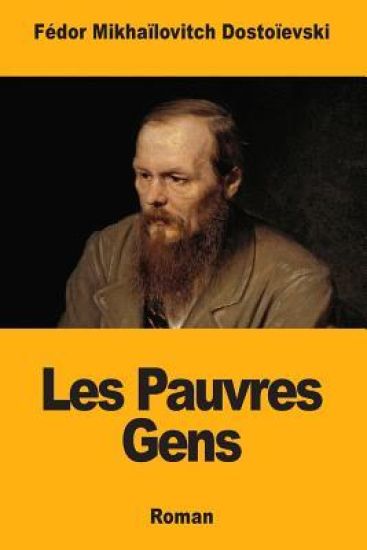
Les Pauvres Gens
Fédor Mikhaïlovitch Dostoïevski
Createspace Independent Publishing Platform
2018
nidottu
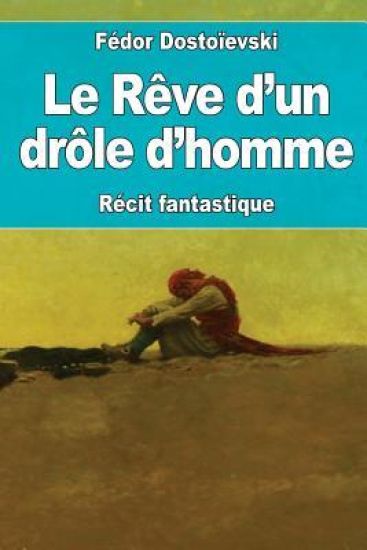
Le Rêve d'un drôle d'homme
Fédor Mikhaïlovitch Dostoïevski
Createspace Independent Publishing Platform
2018
nidottu
Un homme d sabus et devenu indiff rent la vie, d cide soudainement de se suicider. Sur le chemin qui le m ne son appartement, il rencontre une petite fille en d tresse qui le supplie de venir aider sa m re mourante, mais il y renonce et chasse la petite fille. De retour chez lui tandis qu'il est pr t mourir, il est rattrap par la culpabilit de ne pas avoir apport son aide la petite fille. Cette culpabilit le trouble et, au lieu de se suicider comme il le pr voyait, il s'endort et fait un r ve. Dans son r ve, il rencontre un homme qui, apr s un voyage dans l'espace, le m ne sur une plan te, peupl d'hommes bons menant une vie harmonieuse. Mais leur contact, il introduira dans leur soci t la science et les notions de la v rit qui vont mener leur perte. son r veil, en effet, il s'aper oit qu'il a corrompu tout ce monde utopique par la haine, la discorde et le d sespoir.
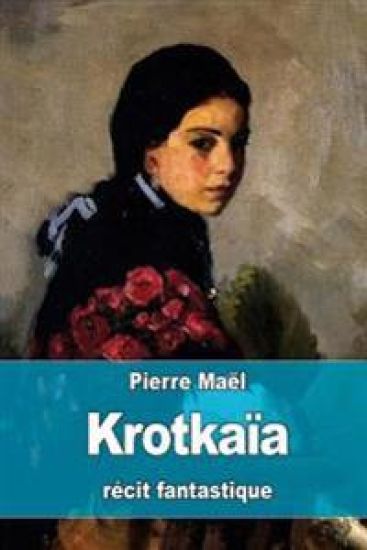
Un homme fortun pouse une jeune fille pauvre et pense qu'en lui pargnant la mis re il va gagner une autorit absolue sur elle. D ue la jeune fille se r fugie dans le silence et va m me jusqu' envisager de le tuer. Se sentant coupable de cet acte manqu elle tombe malade et se r signe son sort. Lui finit par comprendre qu'il l'aime, mais c'est trop tard pour lui pusiqu'elle se suicide en se pr cipitant par la fen tre...
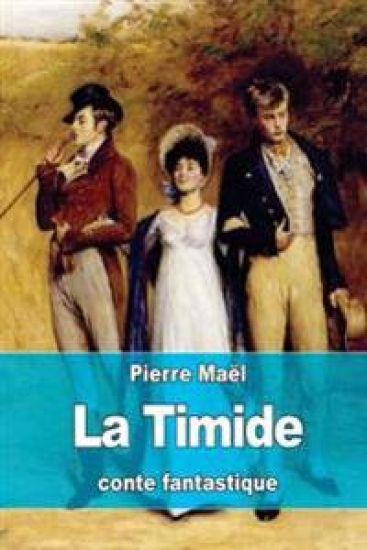
La Timide est une nouvelle de l' crivain russe Fiodor Dosto evski, publi e en novembre 1876 dans son Journal d'un crivain. Pr sentation de l'auteur: Je demande pardon mes lecteurs de leur donner cette fois un conte au lieu de mon carnet r dig sous sa forme habituelle. Mais ce conte m'a occup pr s d'un mois. En tout cas, je sollicite l'indulgence de mes lecteurs. Ce conte, je l'ai qualifi de fantastique, bien que je le consid re comme r el, au plus haut degr . Mais il a son c t fantastique, surtout dans la forme, et je d sire m'expliquer ce sujet. Il ne s'agit ni d'une nouvelle, proprement parler, ni de m moires . Figurez-vous un mari qui se trouve chez lui, devant une table, sur laquelle repose le corps de sa femme suicid e. Elle s'est jet e par la fen tre quelques heures auparavant...
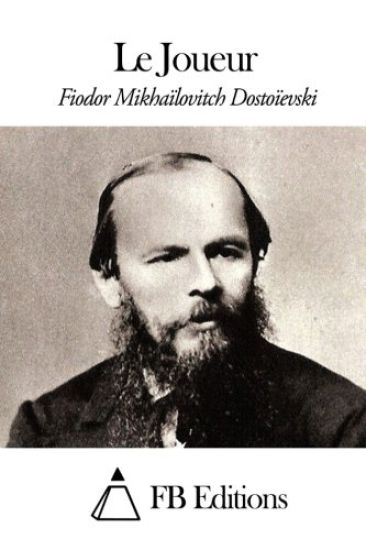
"Le Joueur" par F dor Mikha lovitch Dosto evski. F dor Mikha lovitch Dosto evski tait un crivain russe (1821-1881).
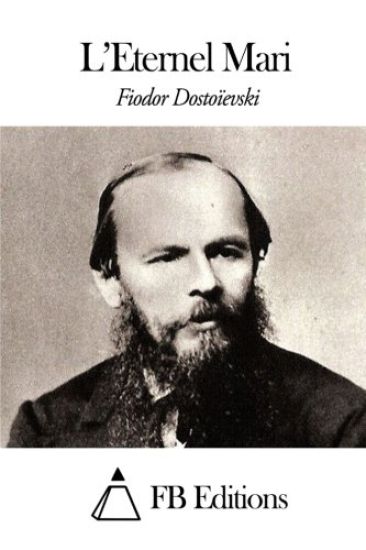
L'Éternel Mari
Fedor Mikhailovitch Dostoievski
Createspace Independent Publishing Platform
2015
nidottu
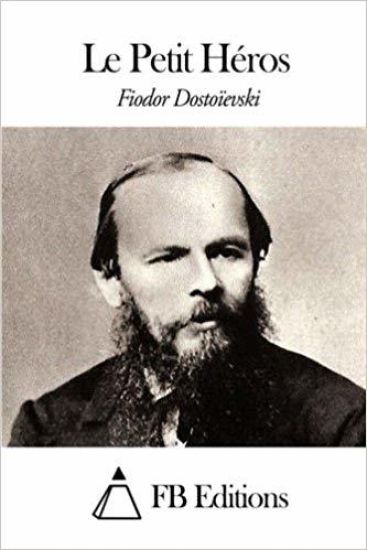
Le Petit Héros
Fedor Mikhailovitch Dostoievski
Createspace Independent Publishing Platform
2015
nidottu
"Le Petit H ros" par F dor Mikha lovitch Dosto evski. F dor Mikha lovitch Dosto evski tait un crivain russe (1821-1881).
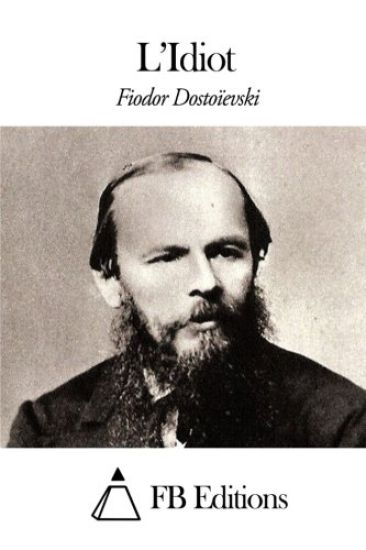
"L'Idiot" par F dor Mikha lovitch Dosto evski. F dor Mikha lovitch Dosto evski tait un crivain russe (1821-1881).
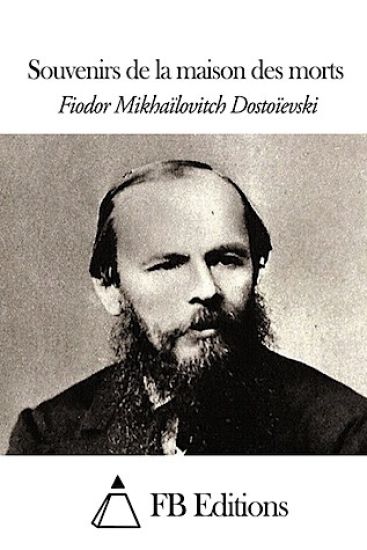
Souvenirs de la maison des morts
Fedor Mikhailovitch Dostoievski
Createspace Independent Publishing Platform
2015
nidottu
"Souvenirs de la maison des morts" par F dor Mikha lovitch Dosto evski. F dor Mikha lovitch Dosto evski tait un crivain russe (1821-1881).
"La Timide" par F dor Mikha lovitch Dosto evski. F dor Mikha lovitch Dosto evski tait un crivain russe (1821-1881).
Monsieur Prokhartchine
Fedor Mikhailovitch Dostoievski
Createspace Independent Publishing Platform
2015
nidottu
"Monsieur Prokhartchine" par F dor Mikha lovitch Dosto evski. F dor Mikha lovitch Dosto evski tait un crivain russe (1821-1881).
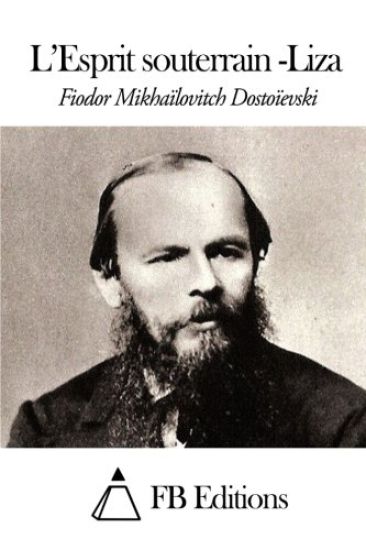
L'Esprit souterrain - Liza
Fedor Mikhailovitch Dostoievski
Createspace Independent Publishing Platform
2015
nidottu
"L'Esprit souterrain -Liza" par F dor Mikha lovitch Dosto evski. F dor Mikha lovitch Dosto evski tait un crivain russe (1821-1881).