Kirjojen hintavertailu – 12 859 824 kirjaa ja 27 kauppaa

Kirjailija

Felicia Low

Kirjat ja teokset yhdessä paikassa: 6 kirjaa, julkaisuja vuosilta 2016–2022, suosituimpiin kuuluu Principles of Evolutionary Medicine. Vertaile teosten hintoja ja tarkista saatavuus suomalaisista kirjakaupoista.

6 kirjaa

Kirjojen julkaisuvuodet: 2016–2022.

A Decade of Theatre for Seniors

A Decade of Theatre for Seniors

Felicia Low

TRAFFORD PUBLISHING
2022
pokkari
A Decade of Theatre for Seniors examines the Theatre For Seniors (TFS) programme started by The Necessary Stage in 2009. This program aimed to make theatre practice avaliable and inclusive to older members of the community. Since 2009, TFS reached an estimated 40 seniors, and can boast of at least 10 formal public performances presented by TNS, alongside commissions to perform at local events such as PassionArts and also at eldercare Homes.. This study asserts that in later life, aspects of aesthetics and innovation are relevant and all the more important, as past roles in life recede. Using a person-centered pedagogical framework for artists working with communities, this report analyses and presents how aesthetics and innovation are demonstrated via engagement with TFS activities, through opportunities for personal, social, cognitive growth and cultural representation. Data was collected by means of interviews with participants and artist-facilitators of the program, together with and studies of past recordings of performances by TFS. Through thick description, the study asserts that proactive engagement with theatre does enable growth towards life fulfilment, responsibility to others, flexible and precise thinking in the later years of life. Proactive engagement in the arts therefore provides the Singaporean senior with a path of growth towards collective maturity and health.
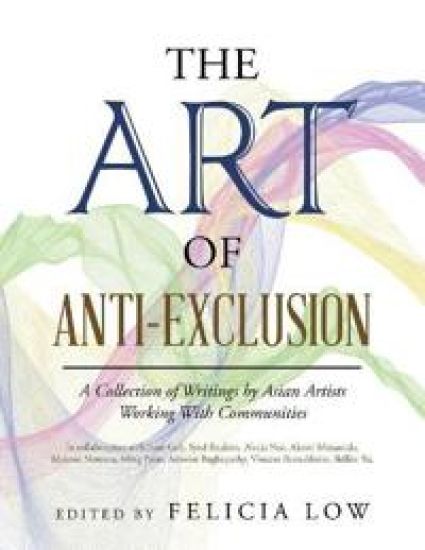
The Art of Anti-Exclusion

The Art of Anti-Exclusion

Felicia Low

Trafford Publishing
2018
pokkari
The Art of Anti-Exclusion: A collection of writings by Asian artists working with communities, brings together the writings of 8 artists and one researcher who document various arts forms carried out with communities in Asia. Written in collaboration with June Goh, Syed Ibrahim, Alecia Neo, Akemi Minamida, Makoto Nomura, Ming Poon, Ashwini Raghupathy, Vincent Rumahloine and Bellini Yu, these projects span the fields of drama, dance, music and art. They also span across various types of communities who reside under specific contexts in their particular countries. These include transgendered persons in India, those with special needs in Hong Kong, rural communities in Japan, squatter communities in Indonesia, HIV positive persons and the elderly in Singapore.
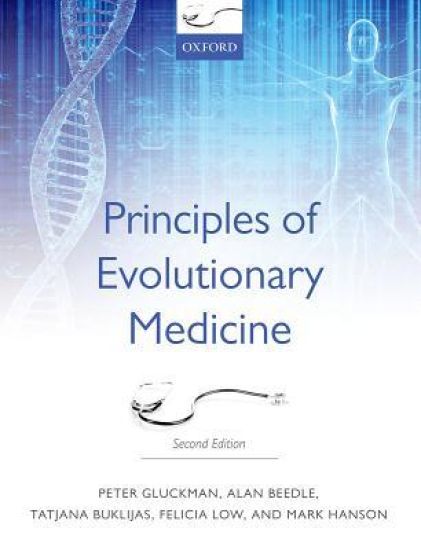
Principles of Evolutionary Medicine

Principles of Evolutionary Medicine

Peter Gluckman; Alan Beedle; Tatjana Buklijas; Felicia Low; Mark Hanson

Oxford University Press
2016
nidottu
Evolutionary science is critical to an understanding of integrated human biology and is increasingly recognised as a core discipline by medical and public health professionals. Advances in the field of genomics, epigenetics, developmental biology, and epidemiology have led to the growing realisation that incorporating evolutionary thinking is essential for medicine to achieve its full potential. This revised and updated second edition of the first comprehensive textbook of evolutionary medicine explains the principles of evolutionary biology from a medical perspective and focuses on how medicine and public health might utilise evolutionary thinking. It is written to be accessible to a broad range of readers, whether or not they have had formal exposure to evolutionary science. The general structure of the second edition remains unchanged, with the initial six chapters providing a summary of the evolutionary theory relevant to understanding human health and disease, using examples specifically relevant to medicine. The second part of the book describes the application of evolutionary principles to understanding particular aspects of human medicine: in addition to updated chapters on reproduction, metabolism, and behaviour, there is an expanded chapter on our coexistence with micro-organisms and an entirely new chapter on cancer. The two parts are bridged by a chapter that details pathways by which evolutionary processes affect disease risk and symptoms, and how hypotheses in evolutionary medicine can be tested. The final two chapters of the volume are considerably expanded; they illustrate the application of evolutionary biology to medicine and public health, and consider the ethical and societal issues of an evolutionary perspective. A number of new clinical examples and historical illustrations are included. This second edition of a novel and popular textbook provides an updated resource for doctors and other health professionals, medical students and biomedical scientists, as well as anthropologists interested in human health, to gain a better understanding of the evolutionary processes underlying human health and disease.
Principles of Evolutionary Medicine

Principles of Evolutionary Medicine

Peter Gluckman; Alan Beedle; Tatjana Buklijas; Felicia Low; Mark Hanson

Oxford University Press
2016
sidottu
Evolutionary science is critical to an understanding of integrated human biology and is increasingly recognised as a core discipline by medical and public health professionals. Advances in the field of genomics, epigenetics, developmental biology, and epidemiology have led to the growing realisation that incorporating evolutionary thinking is essential for medicine to achieve its full potential. This revised and updated second edition of the first comprehensive textbook of evolutionary medicine explains the principles of evolutionary biology from a medical perspective and focuses on how medicine and public health might utilise evolutionary thinking. It is written to be accessible to a broad range of readers, whether or not they have had formal exposure to evolutionary science. The general structure of the second edition remains unchanged, with the initial six chapters providing a summary of the evolutionary theory relevant to understanding human health and disease, using examples specifically relevant to medicine. The second part of the book describes the application of evolutionary principles to understanding particular aspects of human medicine: in addition to updated chapters on reproduction, metabolism, and behaviour, there is an expanded chapter on our coexistence with micro-organisms and an entirely new chapter on cancer. The two parts are bridged by a chapter that details pathways by which evolutionary processes affect disease risk and symptoms, and how hypotheses in evolutionary medicine can be tested. The final two chapters of the volume are considerably expanded; they illustrate the application of evolutionary biology to medicine and public health, and consider the ethical and societal issues of an evolutionary perspective. A number of new clinical examples and historical illustrations are included. This second edition of a novel and popular textbook provides an updated resource for doctors and other health professionals, medical students and biomedical scientists, as well as anthropologists interested in human health, to gain a better understanding of the evolutionary processes underlying human health and disease.