Kirjojen hintavertailu – 12 903 725 kirjaa ja 27 kauppaa

Kirjailija

Felipe Hinojosa

Kirjat ja teokset yhdessä paikassa: 4 kirjaa, julkaisuja vuosilta 2014–2026, suosituimpiin kuuluu Doing Theology Latinamente. Vertaile teosten hintoja ja tarkista saatavuus suomalaisista kirjakaupoista.

4 kirjaa

Kirjojen julkaisuvuodet: 2014–2026.

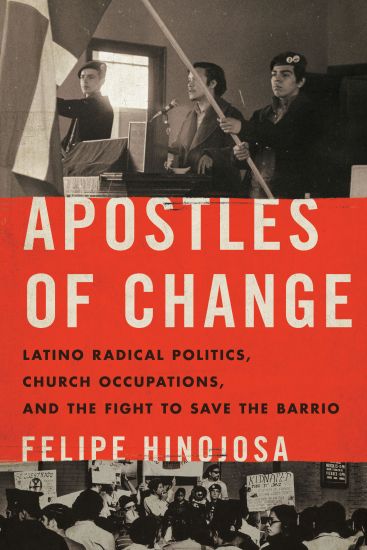
Apostles of Change

Apostles of Change

Felipe Hinojosa

UNIVERSITY OF TEXAS PRESS
2022
nidottu
2021 Finalist Raul Yzaguirre Best Political/Current Affairs Book, International Latino Book AwardsWinner of the Texas Association of Chicanos in Higher Education Inaugural Book AwardUnraveling the intertwined histories of Latino radicalism and religion in urban America, this book examines how Latino activists transformed churches into staging grounds for protest against urban renewal and displacement. In the late 1960s, the American city found itself in steep decline. An urban crisis fueled by federal policy wreaked destruction and displacement on poor and working-class families. The urban drama included religious institutions, themselves undergoing fundamental change, that debated whether to stay in the city or move to the suburbs. Against the backdrop of the Black and Brown Power movements, which challenged economic inequality and white supremacy, young Latino radicals began occupying churches and disrupting services to compel church communities to join their protests against urban renewal, poverty, police brutality, and racism. Apostles of Change tells the story of these occupations and establishes their context within the urban crisis; relates the tensions they created; and articulates the activists' bold, new vision for the church and the world. Through case studies from Chicago, Los Angeles, New York City, and Houston, Felipe Hinojosa reveals how Latino freedom movements frequently crossed boundaries between faith and politics and argues that understanding the history of these radical politics is essential to understanding the dynamic changes in Latino religious groups from the late 1960s to the early 1980s.
Apostles of Change

Apostles of Change

Felipe Hinojosa

University of Texas Press
2021
sidottu
2021 Finalist Raul Yzaguirre Best Political/Current Affairs Book, International Latino Book AwardsWinner of the Texas Association of Chicanos in Higher Education Inaugural Book AwardUnraveling the intertwined histories of Latino radicalism and religion in urban America, this book examines how Latino activists transformed churches into staging grounds for protest against urban renewal and displacement. In the late 1960s, the American city found itself in steep decline. An urban crisis fueled by federal policy wreaked destruction and displacement on poor and working-class families. The urban drama included religious institutions, themselves undergoing fundamental change, that debated whether to stay in the city or move to the suburbs. Against the backdrop of the Black and Brown Power movements, which challenged economic inequality and white supremacy, young Latino radicals began occupying churches and disrupting services to compel church communities to join their protests against urban renewal, poverty, police brutality, and racism. Apostles of Change tells the story of these occupations and establishes their context within the urban crisis; relates the tensions they created; and articulates the activists' bold, new vision for the church and the world. Through case studies from Chicago, Los Angeles, New York City, and Houston, Felipe Hinojosa reveals how Latino freedom movements frequently crossed boundaries between faith and politics and argues that understanding the history of these radical politics is essential to understanding the dynamic changes in Latino religious groups from the late 1960s to the early 1980s.
Latino Mennonites

Latino Mennonites

Felipe Hinojosa

Johns Hopkins University Press
2014
sidottu
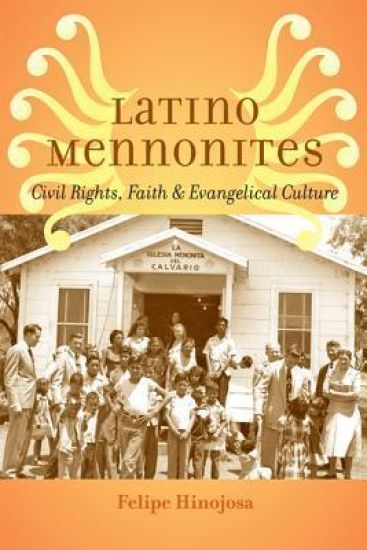
Felipe Hinojosa's parents first encountered Mennonite families as migrant workers in the tomato fields of northwestern Ohio. What started as mutual admiration quickly evolved into a relationship that strengthened over the years and eventually led to his parents founding a Mennonite Church in South Texas. Throughout his upbringing as a Mexican American evangelico, Hinojosa was faced with questions not only about his own religion but also about broader issues of Latino evangelicalism, identity, and civil rights politics. Latino Mennonites offers the first historical analysis of the changing relationship between religion and ethnicity among Latino Mennonites. Drawing heavily on primary sources in Spanish, such as newspapers and oral history interviews, Hinojosa traces the rise of the Latino presence within the Mennonite Church from the origins of Mennonite missions in Latino communities in Chicago, South Texas, Puerto Rico, and New York City, to the conflicted relationship between the Mennonite Church and the California farmworker movements, and finally to the rise of Latino evangelical politics. He also analyzes how the politics of the Chicano, Puerto Rican, and black freedom struggles of the 1960s and 1970s civil rights movements captured the imagination of Mennonite leaders who belonged to a church known more for rural and peaceful agrarian life than for social protest. Whether in terms of religious faith and identity, race, immigrant rights, or sexuality, the politics of belonging has historically presented both challenges and possibilities for Latino evangelicals in the religious landscapes of twentieth-century America. In Latino Mennonites, Hinojosa has interwoven church history with social history to explore dimensions of identity in Latino Mennonite communities and to create a new way of thinking about the history of American evangelicalism.