Kirjojen hintavertailu – 12 859 829 kirjaa ja 27 kauppaa

Kirjailija

Fenggang Yang

Kirjat ja teokset yhdessä paikassa: 8 kirjaa, julkaisuja vuosilta 1999–2026, suosituimpiin kuuluu Religion in China. Vertaile teosten hintoja ja tarkista saatavuus suomalaisista kirjakaupoista.

8 kirjaa

Kirjojen julkaisuvuodet: 1999–2026.

Religion in China

Religion in China

Fenggang Yang

Academic Studies Press
2026
pokkari
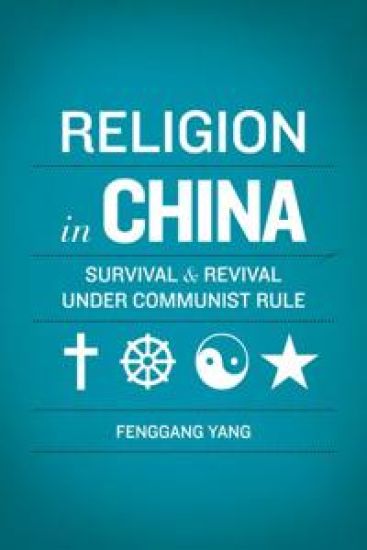
Religion in China survived the most radical suppression in the human history—a total ban of any religion during the Cultural Revolution. All churches, temples, and mosques were closed down, converted for secular uses, or turned into museums for the purpose of atheist education. Since the 1970s, however, religion has thrived even though China remains under Communist rule. Christianity ranks among the fastest-growing religions throughout the vast land while many Buddhist and Daoist temples have been restored. The Communist authorities have carried out waves of atheist propaganda, anti-superstition campaigns, and severe crackdowns on Christian churches and new religious movements. How do we explain the resilience and vitality of religion in modernizing China? How did religion survive the eradication measures in the 1950s to 1970s? How have various religious groups managed to revive despite strict regulations? Why have some religions grown fast? Why have some forms of spirituality gone through dramatic turns? This book provides a comprehensive overview of the religious change in China under ?ommunist rule, and it also offers a set of theoretical tools for studying religious vitality in modernizing societies.

Religion in China

Religion in China

Fenggang Yang

Academic Studies Press
2022
sidottu
Religion in China survived the most radical suppression in the human history—a total ban of any religion during the Cultural Revolution. All churches, temples, and mosques were closed down, converted for secular uses, or turned into museums for the purpose of atheist education. Since the 1970s, however, religion has thrived even though China remains under Communist rule. Christianity ranks among the fastest-growing religions throughout the vast land while many Buddhist and Daoist temples have been restored. The Communist authorities have carried out waves of atheist propaganda, anti-superstition campaigns, and severe crackdowns on Christian churches and new religious movements. How do we explain the resilience and vitality of religion in modernizing China? How did religion survive the eradication measures in the 1950s to 1970s? How have various religious groups managed to revive despite strict regulations? Why have some religions grown fast? Why have some forms of spirituality gone through dramatic turns? This book provides a comprehensive overview of the religious change in China under ?ommunist rule, and it also offers a set of theoretical tools for studying religious vitality in modernizing societies.
Atlas of Religion in China: Social and Geographical Contexts
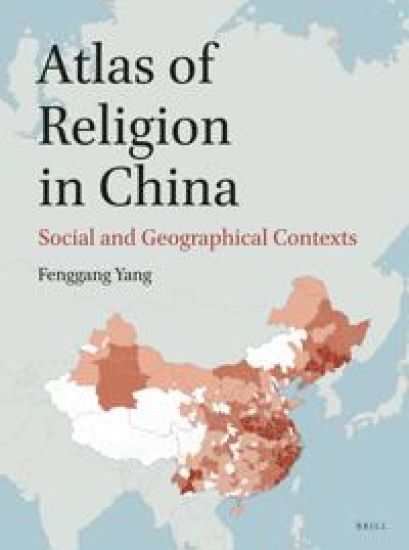
The speed and the scale with which traditional religions in China have been revived and new spiritual movements have emerged in recent decades make it difficult for scholars to stay up-to-date on the religious transformations within Chinese society. This unique atlas presents a bird’s-eye view of the religious landscape in China today. In more than 150 full-color maps and six different case studies, it maps the officially registered venues of China’s major religions - Buddhism, Christianity (Protestant and Catholic), Daoism, and Islam - at the national, provincial, and county levels. The atlas also outlines the contours of Confucianism, folk religion, and the Mao cult. Further, it describes the main organizations, beliefs, and rituals of China’s main religions, as well as the social and demographic characteristics of their respective believers. Putting multiple religions side by side in their contexts, this atlas deploys the latest qualitative, quantitative and spatial data acquired from censuses, surveys, and fieldwork to offer a definitive overview of religion in contemporary China. An essential resource for all scholars and students of religion and society in China.
Encyclopedia of Christianity in the Global South

Encyclopedia of Christianity in the Global South

Katalina Tahaafe-Williams; Justin Welby; Dana L. Robert; David Maxwell; Paul Freston; Fenggang Yang; Graham Kings

Rowman Littlefield
2018
sidottu
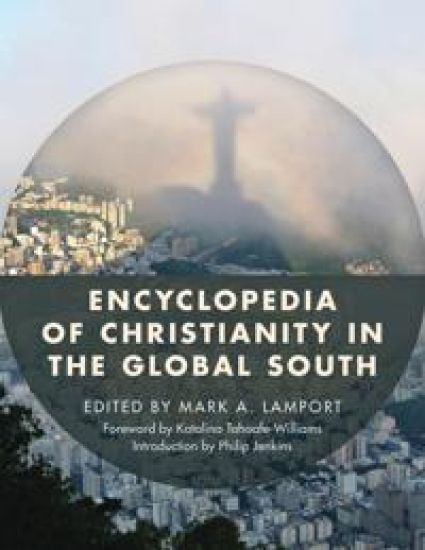
Christianity has transformed many times in its 2,000-year history, from its roots in the Middle East to its presence around the world today. From the mid-twentieth century onward the presence of Christianity has increased dramatically in Asia, Africa, and Latin America, and the majority of the world’s Christians are now nonwhite and non-Western. The Encyclopedia of Christianity in the Global South traces both the historical evolution and contemporary themes in Christianity in more than 150 countries and regions. The volumes include maps, images, and a detailed timeline of key events. The phrases “Global Christianity” and “World Christianity” are inadequate to convey the complexity of the countries and regions involved—this encyclopedia, with its more than 500 entries, aims to offer rich perspectives on the varieties of Christianity where it is growing, how the spread of Christianity shapes the faith in various regions, and how the faith is changing worldwide.
Religion in China

Religion in China

Fenggang Yang

Oxford University Press Inc
2011
sidottu
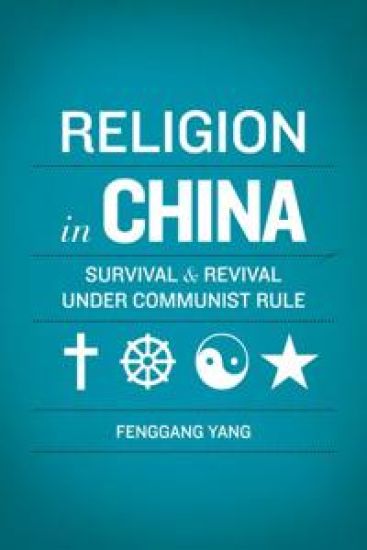
Religion in China survived the most radical suppression in human history--a total ban of any religion during and after the Cultural Revolution (1966-1979). All churches, temples, and mosques were closed down, converted for secular uses, or turned to museums for the purpose of atheist education. China remains under Communist rule. But in the last three decades, religion has revived and thrived. Christianity has been the fastest growing religion for decades. Many Buddhist and Daoist temples have been restored. The state even sponsors large Buddhist gatherings and ceremonies to venerate Confucius and the legendary ancestors of the Chinese people. Traditional Chinese temples have sprung up in some areas. On the other hand, quasi-religious qigong practices, once ubiquitous in public parks throughout the country, are now rare. All the while, the authorities have carried out waves of atheist propaganda, anti-superstition campaigns, severe crackdowns on the underground Christian churches and various ''evil cults.'' How do we explain the religious situation in China today? How do we explain the religious situation in China today? How did religion survive the eradication measures in the 1960s and 1970s? How do various religious groups manage to revive despite strict regulations? Why have some religions grown fast in the reform era? Why have some forms of spirituality gone through dramatic turns? In Religion in China, Fenggang Yang provides a comprehensive overview of the religious change in China under Communism, drawing on his ''political economy'' approach to the sociology of religion.
Religion in China

Religion in China

Fenggang Yang

Oxford University Press Inc
2011
nidottu
Religion in China survived the most radical suppression in human history--a total ban of any religion during and after the Cultural Revolution (1966-1979). All churches, temples, and mosques were closed down, converted for secular uses, or turned to museums for the purpose of atheist education. China remains under Communist rule. But in the last three decades, religion has revived and thrived. Christianity has been the fastest growing religion for decades. Many Buddhist and Daoist temples have been restored. The state even sponsors large Buddhist gatherings and ceremonies to venerate Confucius and the legendary ancestors of the Chinese people. Traditional Chinese temples have sprung up in some areas. On the other hand, quasi-religious qigong practices, once ubiquitous in public parks throughout the country, are now rare. All the while, the authorities have carried out waves of atheist propaganda, anti-superstition campaigns, severe crackdowns on the underground Christian churches and various ''evil cults.'' How do we explain the religious situation in China today? How do we explain the religious situation in China today? How did religion survive the eradication measures in the 1960s and 1970s? How do various religious groups manage to revive despite strict regulations? Why have some religions grown fast in the reform era? Why have some forms of spirituality gone through dramatic turns? In Religion in China, Fenggang Yang provides a comprehensive overview of the religious change in China under Communism, drawing on his ''political economy'' approach to the sociology of religion.
Chinese Christians in America

Chinese Christians in America

Fenggang Yang

Pennsylvania State University Press
1999
pokkari
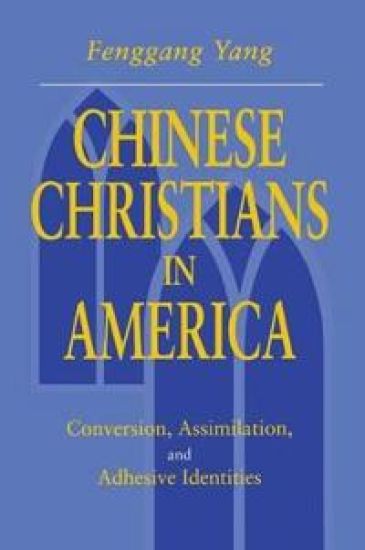
Christianity has become the most practiced religion among the Chinese in America, but very little solid research exists on Chinese Christians and their churches. This book is the first to explore the subject from the inside, revealing how Chinese Christians construct and reconstruct their identity—as Christians, Americans, and Chinese—in local congregations amid the radical pluralism of the late twentieth century. Today there are more than one thousand Chinese churches in the United States, most of them Protestant evangelical congregations, bringing together diasporic Chinese from diverse origins—Taiwan, Hong Kong, mainland China, and Southeast Asian countries. Fenggang Yang finds that despite the many tensions and conflicts that exist within these congregations, most individuals find ways to creatively integrate their evangelical Christian beliefs with traditional Chinese (most Confucian) values. The church becomes a place where they can selectively assimilate into American society while simultaneously preserving Chinese values and culture. Yang brings to this study unique experience as both participant and observer. Born in mainland China, he is a sociologist who converted to Christianity after coming to the United States. The heart of this book is an ethnographic study of a representative Chinese church, located in Washington, D. C., where he became a member. Throughout the book, Yang draws upon interviews with members of this congregation while making comparisons with other churches throughout the United States. Chinese Christians in America is an important addition to the literature on the experience of "new" immigrant communities.
Chinese Christians in America

Chinese Christians in America

Fenggang Yang

Pennsylvania State University Press
1999
sidottu
Christianity has become the most practiced religion among the Chinese in America, but very little solid research exists on Chinese Christians and their churches. This book is the first to explore the subject from the inside, revealing how Chinese Christians construct and reconstruct their identity—as Christians, Americans, and Chinese—in local congregations amid the radical pluralism of the late twentieth century. Today there are more than one thousand Chinese churches in the United States, most of them Protestant evangelical congregations, bringing together diasporic Chinese from diverse origins—Taiwan, Hong Kong, mainland China, and Southeast Asian countries. Fenggang Yang finds that despite the many tensions and conflicts that exist within these congregations, most individuals find ways to creatively integrate their evangelical Christian beliefs with traditional Chinese (most Confucian) values. The church becomes a place where they can selectively assimilate into American society while simultaneously preserving Chinese values and culture. Yang brings to this study unique experience as both participant and observer. Born in mainland China, he is a sociologist who converted to Christianity after coming to the United States. The heart of this book is an ethnographic study of a representative Chinese church, located in Washington, D. C., where he became a member. Throughout the book, Yang draws upon interviews with members of this congregation while making comparisons with other churches throughout the United States. Chinese Christians in America is an important addition to the literature on the experience of "new" immigrant communities.