Kirjojen hintavertailu – 12 903 735 kirjaa ja 27 kauppaa

Kirjailija

Fereshteh Ahmadi

Kirjat ja teokset yhdessä paikassa: 7 kirjaa, julkaisuja vuosilta 1998–2021, suosituimpiin kuuluu Migration och etnicitet : perspektiv på mångfald i Sverige. Vertaile teosten hintoja ja tarkista saatavuus suomalaisista kirjakaupoista.

7 kirjaa

Kirjojen julkaisuvuodet: 1998–2021.

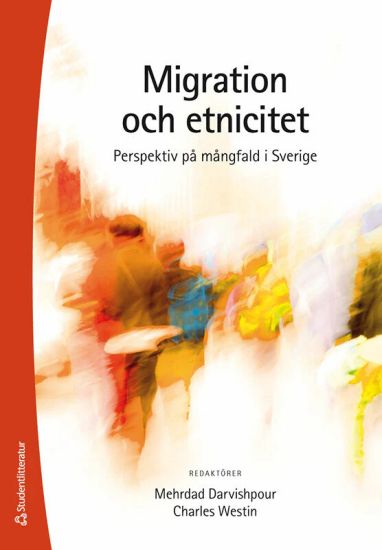
Migration och etnicitet : perspektiv på mångfald i Sverige

Migration och etnicitet : perspektiv på mångfald i Sverige

Mehrdad Darvishpour; Charles Westin; Fereshteh Ahmadi; Moa Bursell; Mattias Gardell; Zenia Hellgren; Leena Huss; Christina Johansson; Patrik Lantto; Ingrid Lomfors; Hélio Mahnica; Jimmy Munobwa; Niclas Månsson; Ulf Mörkenstam; Irving Palm; Tove Pettersson; Carl-Ulrik Schierup; Sara Sjölund Andoff; Jonas Stier; Jesper Strömbäck; Nora Theorin; Susanne Urban; Erling Wande

Studentlitteratur AB
2021
nidottu
Denna tredje omarbetade upplaga ger en introduktion till den sociologiska forskningen om etnicitet och migrationsfrågor i Sverige. Medverkande författare har uppdaterat sina bidrag. Några nya kapitel av stor aktualitet har tagits med. Boken består av tre delar. Del I tar upp teori om etniska relationer i förhållande till social stratifiering, integration och maktrelationer. Del II belyser villkoren för de fem nationella minoriteterna i Sverige. I del III beskrivs svensk invandrings- och flyktingpolitik, och ensamkommande ungdomars situation. Här behandlas även diskriminering på arbetsmarknaden, bostadssegregation, kriminalitet, migration och hälsa, heder, jämställdhet och maskulinitet samt medias konstruktion av invandrare. Migration och etnicitet riktar sig till studenter och forskare inom sociologi, socialt arbete och IMER. Den lämpar sig också för andra samhällsvetenskapliga utbildningar som rör etnicitet och migrationsfrågor.
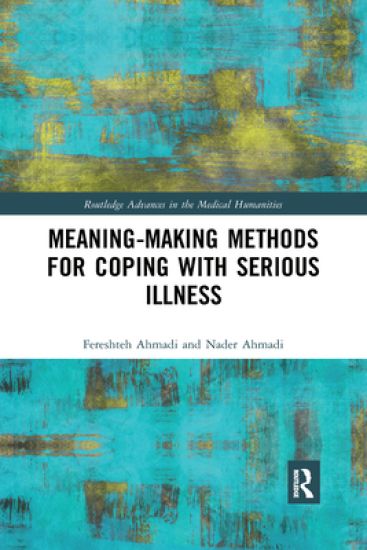
Meaning-making Methods for Coping with Serious Illness

Meaning-making Methods for Coping with Serious Illness

Fereshteh Ahmadi; Nader Ahmadi

Routledge
2020
nidottu
This book provides an alternative, complementary approach to the existing conventional approaches to religious and spiritually oriented coping. By focusing on the role of culture, the authors take into account the methods employed by a vast number of people who do not directly identify themselves as religious. The empirical data used in this book derive from studies conducted in several countries; Sweden, China, South Korea, Turkey and Malaysia, across which religion plays a different role in the social and cultural life of individuals. This approach and these empirical data are unique and allow comparisons to be made between different cultural settings. By introducing the concept of meaning-making coping, the authors explore the influence of culture on choice of coping methods, be they purely religious, spiritual or existential. The term "existential meaning-making coping" is used to describe coping methods that are related to existential questions; these methods include religious, spiritual and existential coping methods. Meaning-making Methods for Coping with Serious Illness contributes to new approaches and theoretical models of coping. As such it is an invaluable resource for health care, medical, public health and sociology students and researchers. It will also be of interest to educators and policy-makers working in the area of health.
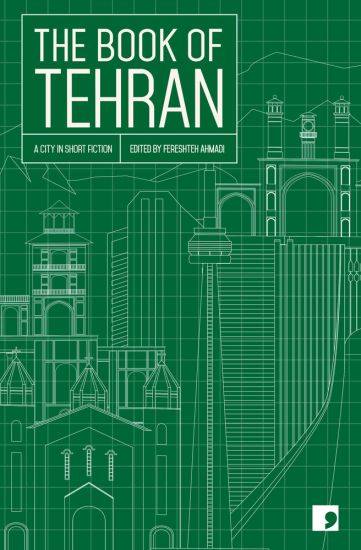
The Book of Tehran

The Book of Tehran

Atoosa Afshin-Navid; Fereshteh Ahmadi; Kourosh Asadi; Azardokht Bahrami; Hamed Habibi; Mohammad Hosseini; Amir-Hossein Khorshidfar; Payam Nasser; Goli Taraghi

Comma Press
2019
nidottu
A city of stories – short, fragmented, amorphous, and at times contradictory – Tehran is an impossible tale to tell. For the capital city of one of the most powerful nations in the Middle East, its literary output is rarely acknowledged in the West. This unique celebration of its writing brings together ten stories exploring the tensions and pressures that make the city what it is: tensions between the public and the private, pressures from without – judgemental neighbours, the expectations of religion and society – and from within – family feuds, thwarted ambitions, destructive relationships. The psychological impact of these pressures manifests in different ways: a man wakes up to find a stranger relaxing in his living room and starts to wonder if this is his house at all; a struggling writer decides only when his girlfriend breaks his heart will his work have depth... In all cases, coping with these pressures leads us, the readers, into an unexpected trove of cultural treasures – like the burglar, in one story, descending into the basement of a mysterious antique collector’s house – treasures of which we, in the West, are almost wholly ignorant.
Meaning-making Methods for Coping with Serious Illness

Meaning-making Methods for Coping with Serious Illness

Fereshteh Ahmadi; Nader Ahmadi

Routledge
2018
sidottu
This book provides an alternative, complementary approach to the existing conventional approaches to religious and spiritually oriented coping. By focusing on the role of culture, the authors take into account the methods employed by a vast number of people who do not directly identify themselves as religious. The empirical data used in this book derive from studies conducted in several countries; Sweden, China, South Korea, Turkey and Malaysia, across which religion plays a different role in the social and cultural life of individuals. This approach and these empirical data are unique and allow comparisons to be made between different cultural settings. By introducing the concept of meaning-making coping, the authors explore the influence of culture on choice of coping methods, be they purely religious, spiritual or existential. The term "existential meaning-making coping" is used to describe coping methods that are related to existential questions; these methods include religious, spiritual and existential coping methods. Meaning-making Methods for Coping with Serious Illness contributes to new approaches and theoretical models of coping. As such it is an invaluable resource for health care, medical, public health and sociology students and researchers. It will also be of interest to educators and policy-makers working in the area of health.
The Iranian Community in Sweden

The Iranian Community in Sweden

Hassan Hosseini-Kaladjahi; Ahmad Ahmadi; Ali Hajighasemi; Abbas Emami; Mohammadrafi Mahmoodian; Melissa Kelly; Sharareh Akhavan; Farzaneh Moinian; Fereshteh Ahmadi; Babak Ahmadi

Mångkulturellt Centrum
2012
nidottu
In 1976 there were approximately 1,000 Iranian citizens in Sweden. Today over 80,000 individuals in Sweden are first or second generation Iranians - the second largest non-European community in the country, The anthology presents a number of indepth studies on the relations between the Iranian community and the broader Swedisg society. It begins with a historical outline and goes on to highlight both the challenges and opportunities Iranians have experienced in Swedish society. It also explores the changes that the Iranian community in Sweden has undergone through the process of adjustment to the new society, as well as the price paid for this adjustment. The contributors represent the academic disciplines of sociology, health care studies, cultural geography and education.
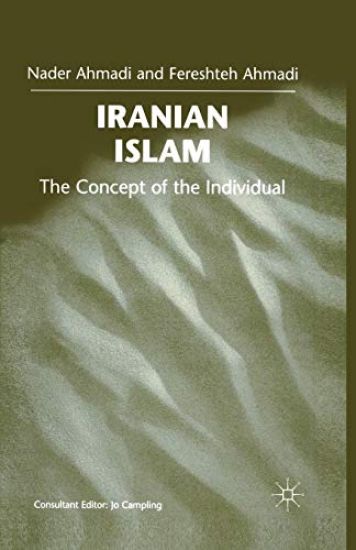
Iranian Islam

Iranian Islam

Fereshteh Ahmadi; Nader Ahmadi

Palgrave Macmillan
1998
sidottu
The author examines from different perspectives (theological and philosophical as well as socio-political and historical) the significance of the concept of the individual in the ways of thinking of Iranians. This book establishes that the mystical dimension of Islamic thought, the divine nature of Islamic law and, the mode of relationship between ruler and the ruled, in combination, counteracted growth of concern for the individual self in Iranian thought.
Iranian Islam

Iranian Islam

Fereshteh Ahmadi; Nader Ahmadi

Palgrave Macmillan
1998
nidottu
The author examines from different perspectives (theological and philosophical as well as socio-political and historical) the significance of the concept of the individual in the ways of thinking of Iranians. This book establishes that the mystical dimension of Islamic thought, the divine nature of Islamic law and, the mode of relationship between ruler and the ruled, in combination, counteracted growth of concern for the individual self in Iranian thought.