Kirjojen hintavertailu – 12 903 725 kirjaa ja 27 kauppaa

Kirjailija

Fernando de Rojas

Kirjat ja teokset yhdessä paikassa: 35 kirjaa, julkaisuja vuosilta 1999–2026, suosituimpiin kuuluu Celestina eli Caliston ja Melibean tragikomedia. Vertaile teosten hintoja ja tarkista saatavuus suomalaisista kirjakaupoista.

35 kirjaa

Kirjojen julkaisuvuodet: 1999–2026.
La Celestina

La Celestina

Fernando de Rojas

Createspace Independent Publishing Platform
2014
nidottu
"La Celestina", de Fernando de Rojas. Fernando de Rojas fue un dramaturgo espa ol, autor de La Celestina, considerada una de las obras cumbre de la historia de la literatura espa ola (1470-1541)
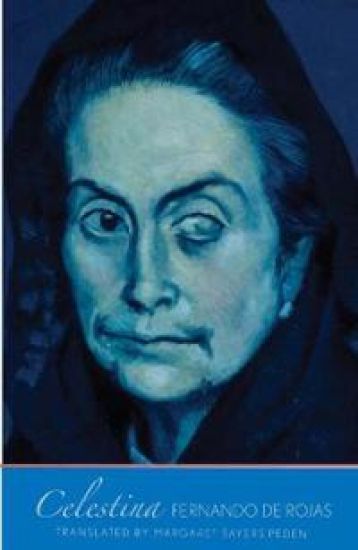
Celestina

Celestina

Fernando de Rojas

Yale University Press
2012
pokkari
The first European novel, exquisitely translated by Margaret Sayers Peden A timeless story of love, morality, and tragedy, Fernando de Rojas’s Celestina is a classic of Spanish literature. Second only to DonQuixote in its cultural importance, Rojas’s dramatic dialogue presents the elaborate tale of a star-crossed courtship between the young nobleman Calisto and the beautiful maiden Melibea in fifteenth-century Spain. Their unforgettable saga plays out in vibrant exchanges, presented here in a brilliant new translation by award-winning translator Margaret Sayers Peden. After a chance encounter with Melibea entrances Calisto, he enlists the services of Celestina, an aged prostitute, madam, and procuress, to arrange another meeting. She promptly seizes control of the affair, guiding it through a series of mishaps before it meets its tragic end. At times a comic character and at others a self-assertive promoter of women’s sexual license, Celestina is an inimitable personality with a surprisingly modern consciousness, certain to be relished by a new generation of readers.
Celestina

Celestina

Fernando De Rojas

PENGUIN CLASSICS
2009
nidottu
The racy and irreverent Spanish tragicomedy that is considered the first European novel-in a spirited new translation A Spanish Romeo and Juliet, Celestina was published in 1499 and became Spain's first-ever bestseller. Readers thrilled to the salty character of Celestina and her world of prostitutes and black magic even as they mourned the fate of Calisto and Melibea, the young lovers she unites using her wiles as a seller of perfumes and potions. Fernando de Rojas's exhilarating mix of street wit, obscenity, and cultured rhetoric mark Celestina as a masterpiece: an original, explosive, genre-defying work that paved the way for the picaresque novel and for Cervantes.
Celestina

Celestina

Fernando de Rojas

Nick Hern Books
2004
nidottu
Drama Classics: The World's Great Plays at a Great Little Price Celestina, madam of the local brothel, is commissioned by a nobleman to help him seduce a beautiful young woman. Using all her wiles and with the help of two greedy servants she goes about weaving her spells... with tragic results. Fernando de Rojas' play Celestina has been a pivotal work of European culture since 1499, when it was first performed, and the character of the ever resourceful procuress Celestina has inspired artists from Goya to Picasso. This version of Celestina, translated by John Clifford, was first performed at the King's Theatre, Edinburgh, in August 2004, as part of the Edinburgh International Festival. This edition of the play, in the Nick Hern Books Drama Classics series, includes an introduction by John Clifford.
Celestina

Celestina

Fernando de Rojas

Applause Theatre Book Publishers
2002
pokkari
As Greek tragedy says a Spanish writer was composed from the crumbs that fell from Homer's table so the Spanish drama owed its earliest forms to La Celestina (1499). ÞFernando de Rojas' tragi-comedy ä which has also been called a novel in dialogue ä runs to about three hundred pages in the James Mabbe translation here adapted to the stage by Eric Bentley in a five-act 93-page version. ÞThe central and pervasive situation is a simple one: a dirty old woman is helping a courtly young gentleman to seduce a girl. The wonder of the thing lies in the art with which Fernando do Rojas derives from such commonplace materials a towering tragedy ä or rather tragi-comedy.