Kirjojen hintavertailu – 12 859 824 kirjaa ja 27 kauppaa

Kirjailija

Fernando Mendez

Kirjat ja teokset yhdessä paikassa: 5 kirjaa, julkaisuja vuosilta 2013–2021, suosituimpiin kuuluu Referendums and the European Union. Vertaile teosten hintoja ja tarkista saatavuus suomalaisista kirjakaupoista.

5 kirjaa

Kirjojen julkaisuvuodet: 2013–2021.

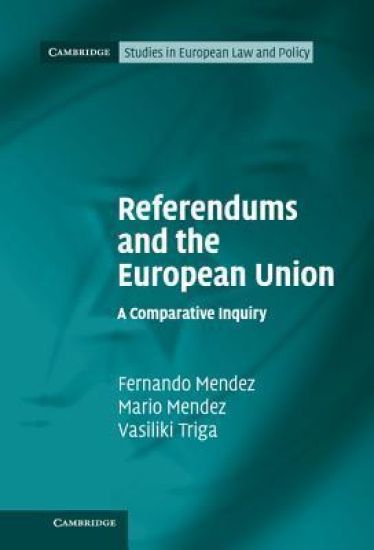
Referendums and the European Union

Referendums and the European Union

Fernando Mendez; Mario Mendez; Vasiliki Triga

Cambridge University Press
2016
pokkari
Why have referendums on European integration proliferated since the 1970s? How are referendums accommodated within member states' constitutional orders and with what impact on the European integration process? What is the likely institutional impact of referendums on the future of the European integration process? Drawing on an interdisciplinary approach, these are just some of the fundamental questions addressed in this book. The central thesis is that the EU is faced with a 'direct democratic dilemma', which is compounded by the EU's rigid constitutional structure and a growing politicisation of the referendum device on matters related to European integration. Referendums and the European Union discusses how this dilemma has emerged to impact on the course of integration and how it can be addressed.

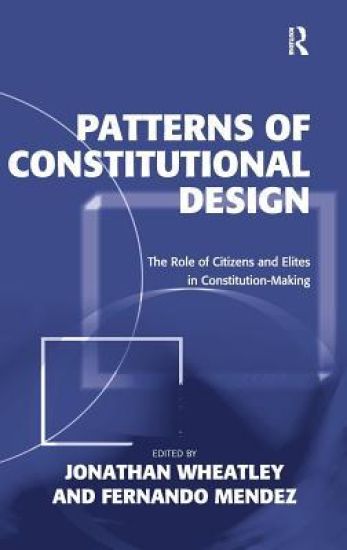
Patterns of Constitutional Design

Patterns of Constitutional Design

Jonathan Wheatley; Fernando Mendez

Routledge
2016
nidottu
To what extent does the constitution-making process matter? By focusing on three central aspects of constitution-making; the nature of the constitution-making body, how it reaches decisions and the way in which a new constitution is legitimized and by examining a wide range of case studies, this international collection from expert contributors provides answers to this crucial question. Bridging the gap between law and political science this book draws together divergent research on the role of constitution making in conflict resolution, constitutional law and democratization and employs a wide variety of qualitative and quantitative methods to unfold and explore the political frameworks of the states affected. Comparative analysis is used to investigate potential causal chains between constitution-making processes and their outcomes in terms of stability, conflict resolution and democracy. By focusing on both procedure and context, the book explores the impact of constitution-making procedures in new and established states and unions in Europe, South America and Africa.
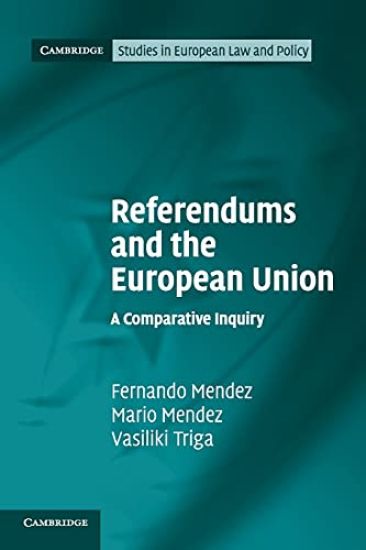
Referendums and the European Union

Referendums and the European Union

Fernando Mendez; Mario Mendez; Vasiliki Triga

Cambridge University Press
2014
sidottu
Why have referendums on European integration proliferated since the 1970s? How are referendums accommodated within member states' constitutional orders and with what impact on the European integration process? What is the likely institutional impact of referendums on the future of the European integration process? Drawing on an interdisciplinary approach, these are just some of the fundamental questions addressed in this book. The central thesis is that the EU is faced with a 'direct democratic dilemma', which is compounded by the EU's rigid constitutional structure and a growing politicisation of the referendum device on matters related to European integration. Referendums and the European Union discusses how this dilemma has emerged to impact on the course of integration and how it can be addressed.
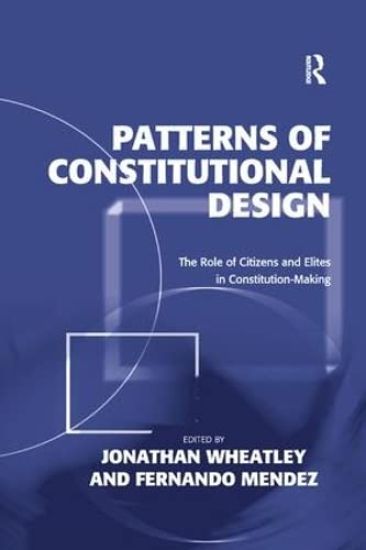
Patterns of Constitutional Design

Patterns of Constitutional Design

Jonathan Wheatley; Fernando Mendez

Ashgate Publishing Limited
2013
sidottu
To what extent does the constitution-making process matter? By focusing on three central aspects of constitution-making; the nature of the constitution-making body, how it reaches decisions and the way in which a new constitution is legitimized and by examining a wide range of case studies, this international collection from expert contributors provides answers to this crucial question. Bridging the gap between law and political science this book draws together divergent research on the role of constitution making in conflict resolution, constitutional law and democratization and employs a wide variety of qualitative and quantitative methods to unfold and explore the political frameworks of the states affected. Comparative analysis is used to investigate potential causal chains between constitution-making processes and their outcomes in terms of stability, conflict resolution and democracy. By focusing on both procedure and context, the book explores the impact of constitution-making procedures in new and established states and unions in Europe, South America and Africa.