
Kirjojen hintavertailu – 12 859 818 kirjaa ja 27 kauppaa

Kirjailija

Filippa Lentzos

Kirjat ja teokset yhdessä paikassa: 2 kirjaa, julkaisuja vuosilta 2025–2026, suosituimpiin kuuluu Synthetic Biology And Bioweapons. Vertaile teosten hintoja ja tarkista saatavuus suomalaisista kirjakaupoista.

2 kirjaa

Kirjojen julkaisuvuodet: 2025–2026.

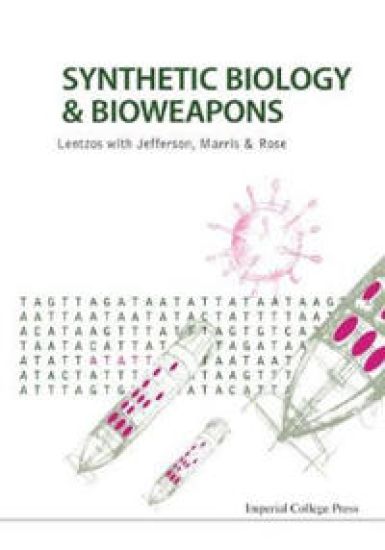
Synthetic Biology And Bioweapons

Synthetic Biology And Bioweapons

Filippa Lentzos

Imperial College Press
2026
sidottu
Developments in synthetic biology are raising significant security concerns: Will they enable the creation of dangerous viruses from scratch? Will scientific advances enable radically new pathogens not found in nature to be designed? Is synthetic biology breaking down the boundary between experts and non-experts to such an extent that anyone will be able to develop a biological weapon? Drawing on years of experience working with synthetic biologists, the established team of social scientists behind this book tackle these questions head on in their assessment of whether the misuse potential of synthetic biology is realistic or exaggerated. Through an accessible and engaging narrative that highlights key messages, questions for discussion and classroom exercises, readers are expertly led through the complex technical, historical, social, political and legal landscape at the intersection of synthetic biology and security.
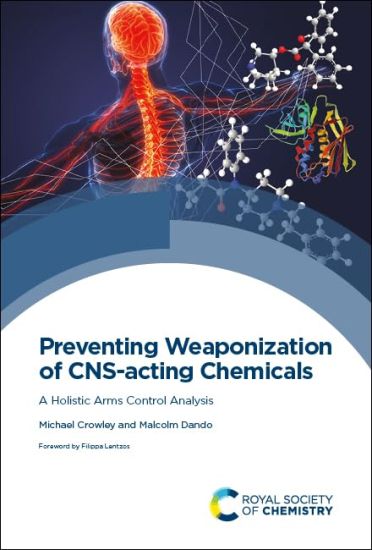
Preventing Weaponization of CNS-acting Chemicals

Preventing Weaponization of CNS-acting Chemicals

Michael Crowley; Malcolm Dando; Filippa Lentzos

ROYAL SOCIETY OF CHEMISTRY
2025
sidottu

Halvin toimitettuna 187,60 €

Recent advances in neuroscience – the study of the mechanisms within the brain that underlie our behaviours and what happens when these go wrong – have been profound. However, benignly intended neurological research that seeks to understand dysfunction in the central nervous system (CNS) could be misused, for example in the development of novel CNS-acting chemical agent weapons for use in armed conflict and also in repression of civilian populations. This book follows a 3-step Holistic Arms Control approach: examining the (bio)chemical agents and relevant physiological systems they effect, as well as associated dual-use technologies that need to be regulated; analysing the full range of potentially applicable international law, international arms control, disarmament and other instruments, and attendant control regimes constraining misuse; and finally providing a comprehensive strategy to strengthen existing regulatory mechanisms as well as suggest new measures to prevent the misuse of the neurosciences and associated dual-use technologies without limiting the widespread health and other societal benefits that flow from their benign application. Suitable for biochemists and researchers in the areas of neuroscience, neurochemistry, and neuropharmacology, this book will also be of interest for those working in arms control, disarmament and related legal fields, as well as forensic medicine and toxicology.