Kirjojen hintavertailu – 12 903 724 kirjaa ja 27 kauppaa

Kirjailija

Filippo Santoni de Sio

Kirjat ja teokset yhdessä paikassa: 4 kirjaa, julkaisuja vuosilta 2016–2025, suosituimpiin kuuluu Human Freedom in the Age of AI. Vertaile teosten hintoja ja tarkista saatavuus suomalaisista kirjakaupoista.

4 kirjaa

Kirjojen julkaisuvuodet: 2016–2025.

Human Freedom in the Age of AI

Human Freedom in the Age of AI

Filippo Santoni de Sio

TAYLOR FRANCIS LTD
2025
nidottu
This book claims that artificial intelligence (AI) may affect our freedom at work, in our daily life, and in the political sphere. The author provides a philosophical framework to help make sense of and govern the ethical and political impact of AI in these domains. AI presents great opportunities and risks, raising the question of how to reap its potential benefits without endangering basic human and societal values. The author identifies three major risks for human freedom. First, AI offers employers new forms of control of the workforce, opening the door to new forms of domination and exploitation. Second, it may reduce our capacity to remain in control of and responsible for our decisions and actions, thereby affecting our free will and moral responsibility. Third, it may increase the power of governments and tech companies to steer the political debate, thereby affecting the possibility of a free and inclusive political participation. The author claims that it is still possible to promote human freedom in our interactions with AI. This requires designing AI systems that help promote workers’ freedom, strengthen human control and responsibility, and foster a free, active, and inclusive democratic participation. Human Freedom in the Age of AI will be of interest to scholars and graduate students working on the ethics of technology, philosophy of technology, political philosophy, design, and artificial intelligence.
Human Freedom in the Age of AI

Human Freedom in the Age of AI

Filippo Santoni de Sio

TAYLOR FRANCIS LTD
2024
sidottu
This book claims that artificial intelligence (AI) may affect our freedom at work, in our daily life, and in the political sphere. The author provides a philosophical framework to help make sense of and govern the ethical and political impact of AI in these domains. AI presents great opportunities and risks, raising the question of how to reap its potential benefits without endangering basic human and societal values. The author identifies three major risks for human freedom. First, AI offers employers new forms of control of the workforce, opening the door to new forms of domination and exploitation. Second, it may reduce our capacity to remain in control of and responsible for our decisions and actions, thereby affecting our free will and moral responsibility. Third, it may increase the power of governments and tech companies to steer the political debate, thereby affecting the possibility of a free and inclusive political participation. The author claims that it is still possible to promote human freedom in our interactions with AI. This requires designing AI systems that help promote workers’ freedom, strengthen human control and responsibility, and foster a free, active, and inclusive democratic participation. Human Freedom in the Age of AI will be of interest to scholars and graduate students working on the ethics of technology, philosophy of technology, political philosophy, design, and artificial intelligence.
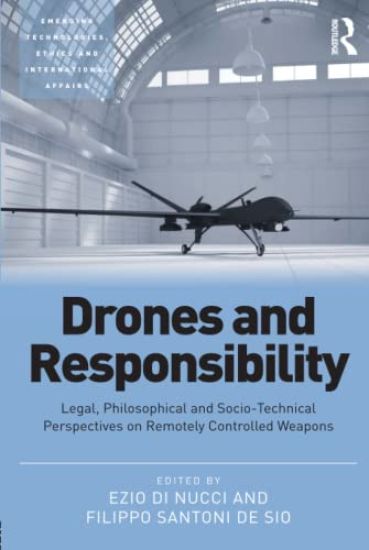
Drones and Responsibility

Drones and Responsibility

Ezio Di Nucci; Filippo Santoni de Sio

Routledge
2019
nidottu
How does the use of military drones affect the legal, political, and moral responsibility of different actors involved in their deployment and design? This volume offers a fresh contribution to the ethics of drone warfare by providing, for the first time, a systematic interdisciplinary discussion of different responsibility issues raised by military drones. The book discusses four main sets of questions: First, from a legal point of view, we analyse the ways in which the use of drones makes the attribution of criminal responsibility to individuals for war crimes more complicated and what adjustments may be required in international criminal law and in military practices to avoid ’responsibility gaps’ in warfare. From a moral and political perspective, the volume looks at the conditions under which the use of military drones by states is impermissible, permissible, or even obligatory and what the responsibilities of a state in the use of drones towards both its citizens and potential targets are. From a socio-technical perspective, what kind of new human machine interaction might (and should) drones bring and which new kinds of shared agency and responsibility? Finally, we ask how the use of drones changes our conception of agency and responsibility. The book will be of interest to scholars and students in (military) ethics and to those in law, politics and the military involved in the design, deployment and evaluation of military drones.
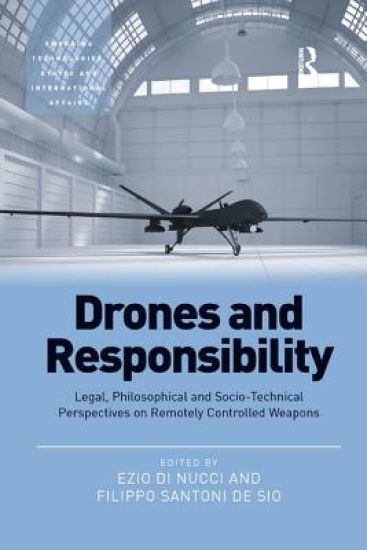
Drones and Responsibility

Drones and Responsibility

Ezio Di Nucci; Filippo Santoni de Sio

Routledge
2016
sidottu

Halvin toimitettuna 271,20 €

How does the use of military drones affect the legal, political, and moral responsibility of different actors involved in their deployment and design? This volume offers a fresh contribution to the ethics of drone warfare by providing, for the first time, a systematic interdisciplinary discussion of different responsibility issues raised by military drones. The book discusses four main sets of questions: First, from a legal point of view, we analyse the ways in which the use of drones makes the attribution of criminal responsibility to individuals for war crimes more complicated and what adjustments may be required in international criminal law and in military practices to avoid ’responsibility gaps’ in warfare. From a moral and political perspective, the volume looks at the conditions under which the use of military drones by states is impermissible, permissible, or even obligatory and what the responsibilities of a state in the use of drones towards both its citizens and potential targets are. From a socio-technical perspective, what kind of new human machine interaction might (and should) drones bring and which new kinds of shared agency and responsibility? Finally, we ask how the use of drones changes our conception of agency and responsibility. The book will be of interest to scholars and students in (military) ethics and to those in law, politics and the military involved in the design, deployment and evaluation of military drones.