Kirjailija
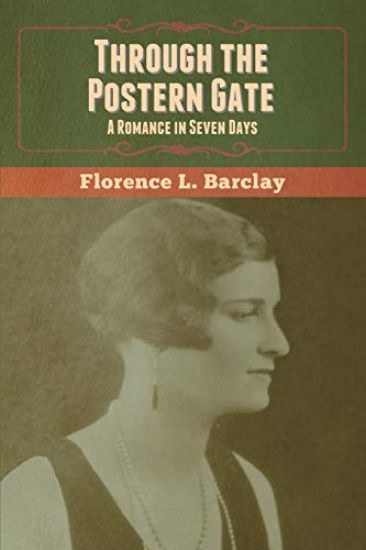
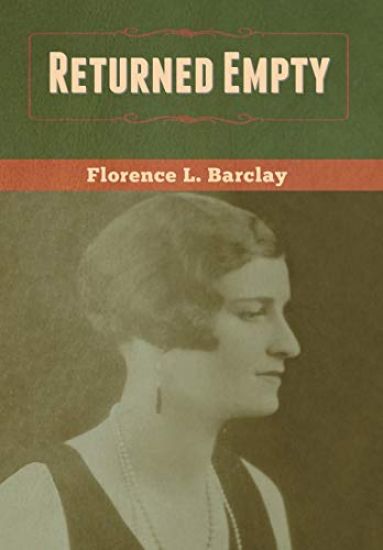
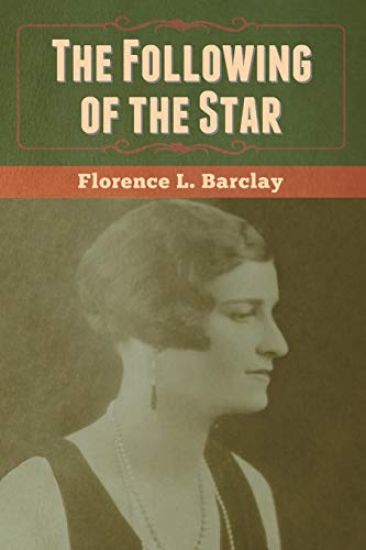
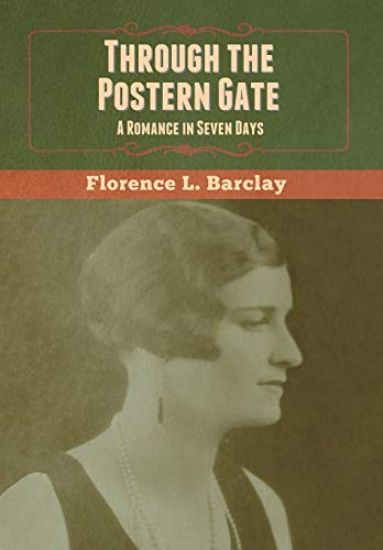
Florence L. Barclay
Kirjat ja teokset yhdessä paikassa: 127 kirjaa, julkaisuja vuosilta 2003–2026, suosituimpiin kuuluu The broken halo (1913) by Florence L. Barclay (World's Classics). Vertaile teosten hintoja ja tarkista saatavuus suomalaisista kirjakaupoista.
Nimi esiintyy myös muodoissa: Florence L Barclay
127 kirjaa
Kirjojen julkaisuvuodet: 2003–2026.
Florence Louisa Barclay (2 December 1862 - 10 March 1921) was an English romance novelist and short story writer. She was born Florence Louisa Charlesworth in Limpsfield, Surrey, England, the daughter of the local Anglican rector. One of three girls, she was a sister to Maud Ballington Booth, the Salvation Army leader and co-founder of the Volunteers of America. When Florence was seven years old, the family moved to Limehouse in the London Borough of Tower Hamlets. In 1881, Florence Charlesworth married the Rev. Charles W. Barclay and honeymooned in the Holy Land, where, in Shechem, they reportedly discovered Jacob's Well, the place where, according to the Gospel of St John, Jesus met the woman of Samaria (John 4-5). Florence Barclay and her husband settled in Hertford Heath, in Hertfordshire, where she fulfilled the duties of a rector's wife. She became the mother of eight children. In her early forties health problems left her bedridden for a time and she passed the hours by writing what became her first romance novel titled The Wheels of Time. Her next novel, The Rosary, a story of undying love, was published in 1909 and its success eventually resulted in its being translated into eight languages and made into five motion pictures, also in several languages. According to the New York Times, the novel was the No.1 bestselling novel of 1910 in the United States. The enduring popularity of the book was such that more than twenty-five years later, Sunday Circle magazine serialized the story and in 1926 the prominent French playwright Alexandre Bisson adapted the book as a three-act play for the Parisian stage. Florence Barclay wrote eleven books in all, including a work of non-fiction. Her novel The Mistress of Shenstone (1910) was made into a silent film of the same title in 1921. Her short story Under the Mulberry Tree appeared in the special issue called "The Spring Romance Number" of the Ladies Home Journal of 11 May 1911. Florence Barclay died in 1921 at the age of fifty-eight. The Life of Florence Barclay: a study in personality was published anonymously that year by G. P. Putnam's Sons "by one of Her Daughters." (wikipedia.org)
History of European Morals From Augustus to Charlemagne (Vol. 1)
Florence L Barclay
Alpha Editions
2023
nidottu
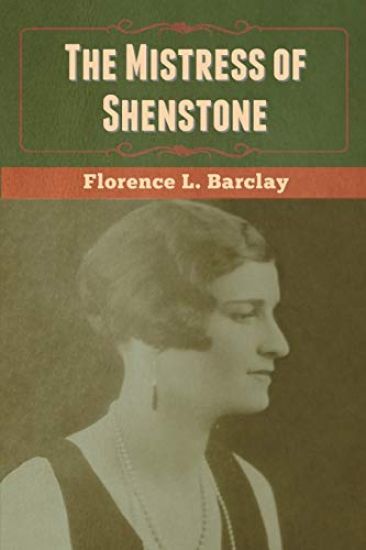
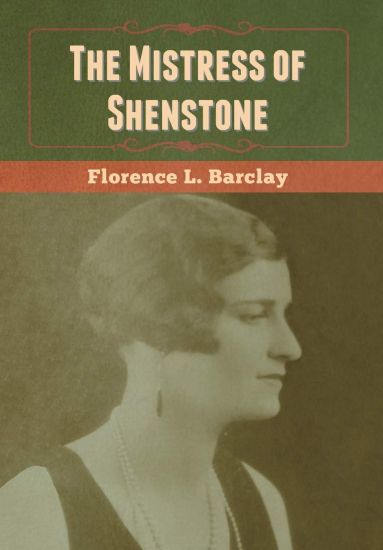
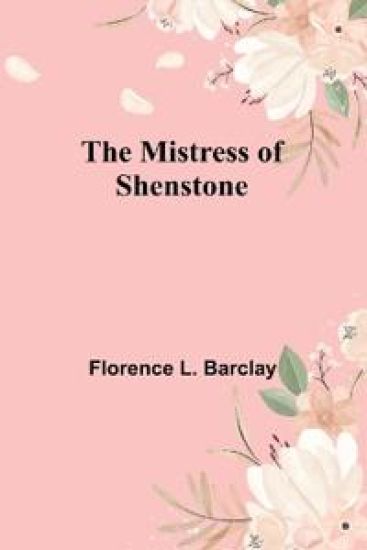
The Mistress of Shenstone, a classical book, has been considered important throughout the human history, and so that this work is never forgotten we at Alpha Editions have made efforts in its preservation by republishing this book in a modern format for present and future generations. This whole book has been reformatted, retyped and designed. These books are not made of scanned copies of their original work and hence the text is clear and readable.
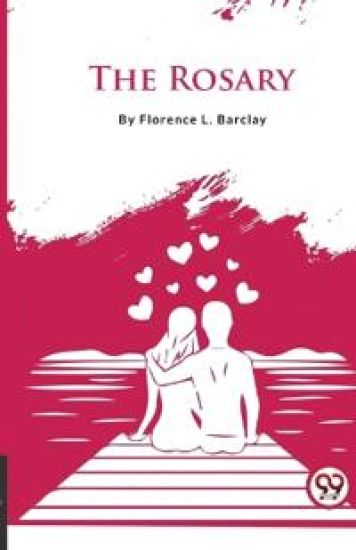
"The Rosary" is a beautiful love story written by Florence L. Barclay. The Honorable Jane Champion wins the heart of Gareth Dalmain. She loves him in return, but she does not trust him since she is quite plain and he is well known for being a big admirer of beauty. She makes the decision to believe him, but then she finds that he was engaged in a hunting accident that left him blind. She wants to see him, but he is unwilling to see her since he only wants her love, not her sympathy. She gets a job as his nurse under a false identity with the assistance of their mutual acquaintance and doctor, and as a result, gets to know the "new" Gareth. The story has a strong sense of nobility, dignity, and faithfulness. Read the complete novel to know how the lovers overcame all barriers to the perfection of their love.
Ronald West stood at the window of his wife's sitting-room, looking across the bright garden-borders to the wide park beyond, and wondering how on earth he should open the subject of which his mind had been full during their morning ride...
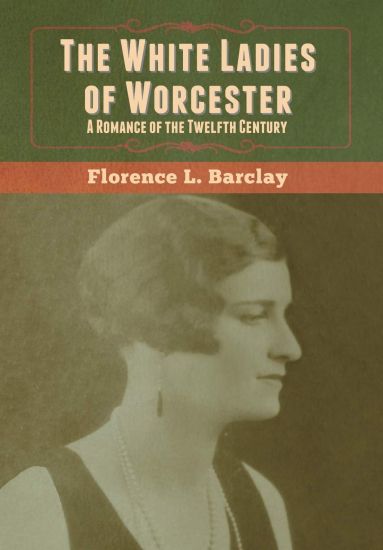
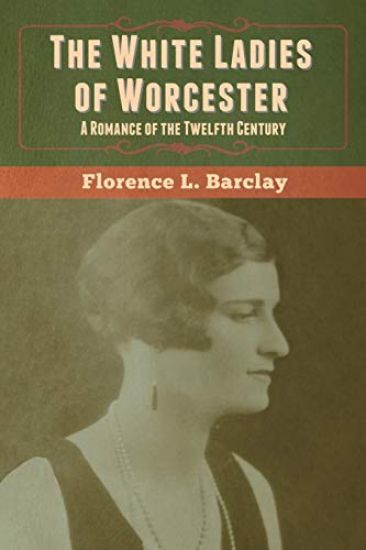
"The White Ladies of Worcester" is an inspiring romantic story of a nun who enters a convent thinking her lover is dead and a knight who was told his lady had married another. As the nuns in the Nunnery of the White Ladies return from Vespers through the underground passage into the cloisters, an old lay-sister Mary Antony counts them every time by dropping one pea for each nun from her hand into a bag. However, one evening her count turns out differently - the nuns pass, all the peas drop into the bag, and then one more nun passes by, making the old lady think that there might be an intruder into the convent...
Florence Louisa Barclay (2 December 1862 - 10 March 1921) was an English romance novelist and short story writer. She was born Florence Louisa Charlesworth in Limpsfield, Surrey, England, the daughter of the local Anglican rector. One of three girls, she was a sister to Maud Ballington Booth, the Salvation Army leader and co-founder of the Volunteers of America. When Florence was seven years old, the family moved to Limehouse in the London Borough of Tower Hamlets. In 1881, Florence Charlesworth married the Rev. Charles W. Barclay and honeymooned in the Holy Land, where, in Shechem, they reportedly discovered Jacob's Well, the place where, according to the Gospel of St John, Jesus met the woman of Samaria (John 4-5). Florence Barclay and her husband settled in Hertford Heath, in Hertfordshire, where she fulfilled the duties of a rector's wife. She became the mother of eight children. In her early forties health problems left her bedridden for a time and she passed the hours by writing what became her first romance novel titled The Wheels of Time. Her next novel, The Rosary, a story of undying love, was published in 1909 and its success eventually resulted in its being translated into eight languages and made into five motion pictures, also in several languages. According to the New York Times, the novel was the No.1 bestselling novel of 1910 in the United States. The enduring popularity of the book was such that more than twenty-five years later, Sunday Circle magazine serialized the story and in 1926 the prominent French playwright Alexandre Bisson adapted the book as a three-act play for the Parisian stage. Florence Barclay wrote eleven books in all, including a work of non-fiction. Her novel The Mistress of Shenstone (1910) was made into a silent film of the same title in 1921. Her short story Under the Mulberry Tree appeared in the special issue called "The Spring Romance Number" of the Ladies Home Journal of 11 May 1911. Florence Barclay died in 1921 at the age of fifty-eight. The Life of Florence Barclay: a study in personality was published anonymously that year by G. P. Putnam's Sons "by one of Her Daughters." (wikipedia.org)
David Rivers has been ministering in Africa for several years. While on sick leave in England, he meets the fascinating Diana. After leading her to the Lord, she presents an interesting business proposal to him-a proposal of marriage The only way this independent woman can keep her inheritance is a speedy marriage and who could be a better husband than an absent missionary? Only, what will Diana do when she finds she has actually fallen in love with her husband? Follow David and Diana over the course of several Christmases, as they discover the meaning of true, sacrificial love. This Christian story from 1911 is just simply delightful. It literally made me laugh out loud AND ugly cry. So many emotions Fans of Jane Austen should find themselves lost in this heart-warming tale. And, if you enjoy it as much as I think you will, be sure to check out "The Rosary" by the same author. Both books deserve a lot more attention. (Pip Elkins)
Florence Louisa Barclay (2 December 1862 - 10 March 1921) was an English romance novelist and short story writer. She was born Florence Louisa Charlesworth in Limpsfield, Surrey, England, the daughter of the local Anglican rector. One of three girls, she was a sister to Maud Ballington Booth, the Salvation Army leader and co-founder of the Volunteers of America. When Florence was seven years old, the family moved to Limehouse in the London Borough of Tower Hamlets. In 1881, Florence Charlesworth married the Rev. Charles W. Barclay and honeymooned in the Holy Land, where, in Shechem, they reportedly discovered Jacob's Well, the place where, according to the Gospel of St John, Jesus met the woman of Samaria (John 4-5). Florence Barclay and her husband settled in Hertford Heath, in Hertfordshire, where she fulfilled the duties of a rector's wife. She became the mother of eight children. In her early forties health problems left her bedridden for a time and she passed the hours by writing what became her first romance novel titled The Wheels of Time. Her next novel, The Rosary, a story of undying love, was published in 1909 and its success eventually resulted in its being translated into eight languages and made into five motion pictures, also in several languages. According to the New York Times, the novel was the No.1 bestselling novel of 1910 in the United States. The enduring popularity of the book was such that more than twenty-five years later, Sunday Circle magazine serialized the story and in 1926 the prominent French playwright Alexandre Bisson adapted the book as a three-act play for the Parisian stage. Florence Barclay wrote eleven books in all, including a work of non-fiction. Her novel The Mistress of Shenstone (1910) was made into a silent film of the same title in 1921. Her short story Under the Mulberry Tree appeared in the special issue called "The Spring Romance Number" of the Ladies Home Journal of 11 May 1911. Florence Barclay died in 1921 at the age of fifty-eight. The Life of Florence Barclay: a study in personality was published anonymously that year by G. P. Putnam's Sons "by one of Her Daughters." (wikipedia.org)
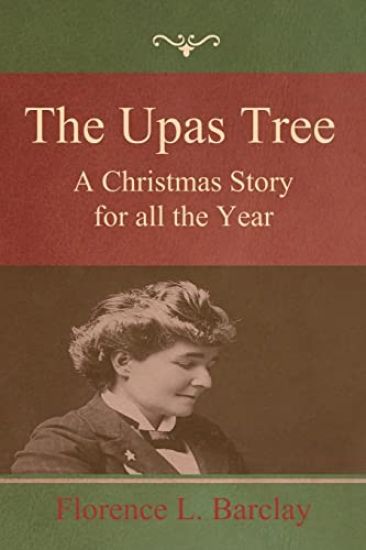
David Rivers has been ministering in Africa for several years. While on sick leave in England, he meets the fascinating Diana. After leading her to the Lord, she presents an interesting business proposal to him-a proposal of marriage The only way this independent woman can keep her inheritance is a speedy marriage and who could be a better husband than an absent missionary? Only, what will Diana do when she finds she has actually fallen in love with her husband? Follow David and Diana over the course of several Christmases, as they discover the meaning of true, sacrificial love. This Christian story from 1911 is just simply delightful. It literally made me laugh out loud AND ugly cry. So many emotions Fans of Jane Austen should find themselves lost in this heart-warming tale. And, if you enjoy it as much as I think you will, be sure to check out "The Rosary" by the same author. Both books deserve a lot more attention. (Pip Elkins)
Florence Louisa Barclay (2 December 1862 - 10 March 1921) was an English romance novelist and short story writer. She was born Florence Louisa Charlesworth in Limpsfield, Surrey, England, the daughter of the local Anglican rector. One of three girls, she was a sister to Maud Ballington Booth, the Salvation Army leader and co-founder of the Volunteers of America. When Florence was seven years old, the family moved to Limehouse in the London Borough of Tower Hamlets. In 1881, Florence Charlesworth married the Rev. Charles W. Barclay and honeymooned in the Holy Land, where, in Shechem, they reportedly discovered Jacob's Well, the place where, according to the Gospel of St John, Jesus met the woman of Samaria (John 4-5). Florence Barclay and her husband settled in Hertford Heath, in Hertfordshire, where she fulfilled the duties of a rector's wife. She became the mother of eight children. In her early forties health problems left her bedridden for a time and she passed the hours by writing what became her first romance novel titled The Wheels of Time. Her next novel, The Rosary, a story of undying love, was published in 1909 and its success eventually resulted in its being translated into eight languages and made into five motion pictures, also in several languages. According to the New York Times, the novel was the No.1 bestselling novel of 1910 in the United States. The enduring popularity of the book was such that more than twenty-five years later, Sunday Circle magazine serialized the story and in 1926 the prominent French playwright Alexandre Bisson adapted the book as a three-act play for the Parisian stage. Florence Barclay wrote eleven books in all, including a work of non-fiction. Her novel The Mistress of Shenstone (1910) was made into a silent film of the same title in 1921. Her short story Under the Mulberry Tree appeared in the special issue called "The Spring Romance Number" of the Ladies Home Journal of 11 May 1911. Florence Barclay died in 1921 at the age of fifty-eight. The Life of Florence Barclay: a study in personality was published anonymously that year by G. P. Putnam's Sons "by one of Her Daughters." (wikipedia.org)