
Kirjailija
Florian Wagner
Kirjat ja teokset yhdessä paikassa: 9 kirjaa, julkaisuja vuosilta 2004–2026, suosituimpiin kuuluu Kolonialismus und Antikolonialismus? Frag doch einfach!. Vertaile teosten hintoja ja tarkista saatavuus suomalaisista kirjakaupoista.
9 kirjaa
Kirjojen julkaisuvuodet: 2004–2026.

Colonial Internationalism and the Governmentality of Empire, 1893–1982
Florian Wagner
Cambridge University Press
2024
pokkari
In 1893, a group of colonial officials from thirteen countries abandoned their imperial rivalry and established the International Colonial Institute (ICI), which became the world's most important colonial think tank of the twentieth century. Through the lens of the ICI, Florian Wagner argues that this international cooperation reshaped colonialism as a transimperial and governmental policy. The book demonstrates that the ICI's strategy of using indigenous institutions and customary laws to encourage colonial development served to maintain colonial rule even beyond the official end of empires. By selectively choosing loyalists among the colonized to participate in the ICI, it increased their autonomy while equally delegitimizing more radical claims for independence. The book presents a detailed study of the ICI's creation, the transcolonial activities of its prominent members, its interactions with the League of Nations and fascist governments, and its role in laying the groundwork for the structural and discursive dependence of the Global South after 1945.

Buchners Kolleg Geschichte Baden-Württemberg 12 Lehrbuch
Florian Wagner; Brückner; Julian Kümmerle
Buchner, C.C. Verlag
2022
sidottu

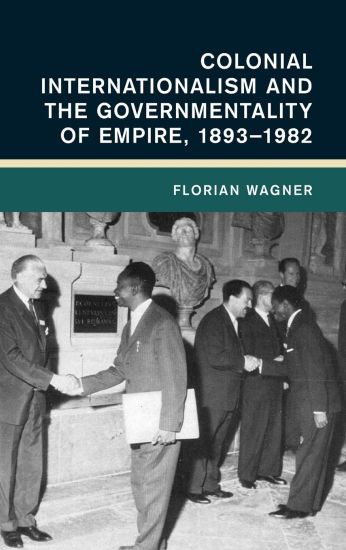
Colonial Internationalism and the Governmentality of Empire, 1893–1982
Florian Wagner
Cambridge University Press
2022
sidottu
In 1893, a group of colonial officials from thirteen countries abandoned their imperial rivalry and established the International Colonial Institute (ICI), which became the world's most important colonial think tank of the twentieth century. Through the lens of the ICI, Florian Wagner argues that this international cooperation reshaped colonialism as a transimperial and governmental policy. The book demonstrates that the ICI's strategy of using indigenous institutions and customary laws to encourage colonial development served to maintain colonial rule even beyond the official end of empires. By selectively choosing loyalists among the colonized to participate in the ICI, it increased their autonomy while equally delegitimizing more radical claims for independence. The book presents a detailed study of the ICI's creation, the transcolonial activities of its prominent members, its interactions with the League of Nations and fascist governments, and its role in laying the groundwork for the structural and discursive dependence of the Global South after 1945.