Kirjojen hintavertailu – 12 903 735 kirjaa ja 27 kauppaa

Kirjailija

Frances Gray

Kirjat ja teokset yhdessä paikassa: 11 kirjaa, julkaisuja vuosilta 2007–2023, suosituimpiin kuuluu Taming of the Shrew York Notes A-level English Literature - for 2025, 2026 exams. Vertaile teosten hintoja ja tarkista saatavuus suomalaisista kirjakaupoista.

11 kirjaa

Kirjojen julkaisuvuodet: 2007–2023.

Epiphanies, Individuation, and Human Flourishing
Within this book, Gray argues that moments of profound existential importance are given to us in the presence of Art, and that such moments are important motivators in our personal, civic, and moral lives. Using the work of Jung, Freud, Berger, and Nussbaum, this book looks to Art in its theory and practice as a driver of psychic epiphany. Examining music, environment, architecture, poetry, and painting, it traces the relationship between the ordinary and the extraordinary, showing how we can and do locate ourselves beyond our own psyches in a world of artistic endeavour. Gray concludes that Art plays a critical role in psychological practice and human flourishing on an individual and collective level. Epiphanies, Individuation, and Human Flourishing will appeal to artists, art theorists, therapists, and analysts as a teaching tool that demonstrates the possible connections that can be made among the arts, sciences and psycho-therapeutic communities, and Nature.
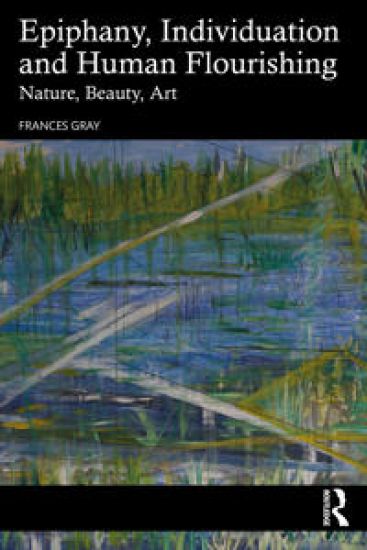
Epiphanies, Individuation, and Human Flourishing
Within this book, Gray argues that moments of profound existential importance are given to us in the presence of Art, and that such moments are important motivators in our personal, civic, and moral lives. Using the work of Jung, Freud, Berger, and Nussbaum, this book looks to Art in its theory and practice as a driver of psychic epiphany. Examining music, environment, architecture, poetry, and painting, it traces the relationship between the ordinary and the extraordinary, showing how we can and do locate ourselves beyond our own psyches in a world of artistic endeavour. Gray concludes that Art plays a critical role in psychological practice and human flourishing on an individual and collective level. Epiphanies, Individuation, and Human Flourishing will appeal to artists, art theorists, therapists, and analysts as a teaching tool that demonstrates the possible connections that can be made among the arts, sciences and psycho-therapeutic communities, and Nature.
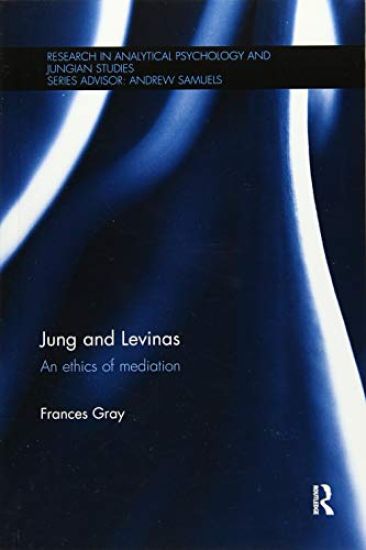
Jung and Levinas

Jung and Levinas

Frances Gray

CRC Press Inc
2017
nidottu
This book brings C. G. Jung into conversation with the French philosopher Emmanuel Levinas, taking a radical view of post-modernist theory which, the author argues, is relentlessly introverted. Frances Gray presents completely new research which extends analytical psychology into the world of dispute resolution in mediation within a deeply philosophical framework. Arguing that mediation is a therapeutics that entails a psycho-social archaeology which, in turn, requires recognition of the foundational roles of sex/gender, time and narrative in inter-subjective relationships, this book develops Jung’s approach to projection as an ethical process that assumes the presence of a sex/gendered Other. Chapters explore the possibility of a psycho-social archaeology through development of the argument that a radical turn to the fundamentals of our own consciousnesses can open up a landscape on which we begin to fashion the moral courage necessary for the practice of alternative dispute resolution in mediation. This book highlights Jung’s contention that withdrawal of projection is a fundamentally moral endeavour and that although Levinas’ face of the Other can be seen as a way of acknowledging the Otherness of the Other, there are limits to its application in Jungian thinking. This book maintains that the face of the Other is critical to any moral encounter and, above all, brings us to the transformational possibilities of the process of dispute resolution in mediation. Jung and Levinas will appeal to researchers, students and practitioners of analytical psychology, dispute resolution, applied ethics, conflict studies and transformation.
Jung and Levinas

Jung and Levinas

Frances Gray

Routledge
2015
sidottu
This book brings C. G. Jung into conversation with the French philosopher Emmanuel Levinas, taking a radical view of post-modernist theory which, the author argues, is relentlessly introverted. Frances Gray presents completely new research which extends analytical psychology into the world of dispute resolution in mediation within a deeply philosophical framework. Arguing that mediation is a therapeutics that entails a psycho-social archaeology which, in turn, requires recognition of the foundational roles of sex/gender, time and narrative in inter-subjective relationships, this book develops Jung’s approach to projection as an ethical process that assumes the presence of a sex/gendered Other. Chapters explore the possibility of a psycho-social archaeology through development of the argument that a radical turn to the fundamentals of our own consciousnesses can open up a landscape on which we begin to fashion the moral courage necessary for the practice of alternative dispute resolution in mediation. This book highlights Jung’s contention that withdrawal of projection is a fundamentally moral endeavour and that although Levinas’ face of the Other can be seen as a way of acknowledging the Otherness of the Other, there are limits to its application in Jungian thinking. This book maintains that the face of the Other is critical to any moral encounter and, above all, brings us to the transformational possibilities of the process of dispute resolution in mediation. Jung and Levinas will appeal to researchers, students and practitioners of analytical psychology, dispute resolution, applied ethics, conflict studies and transformation.
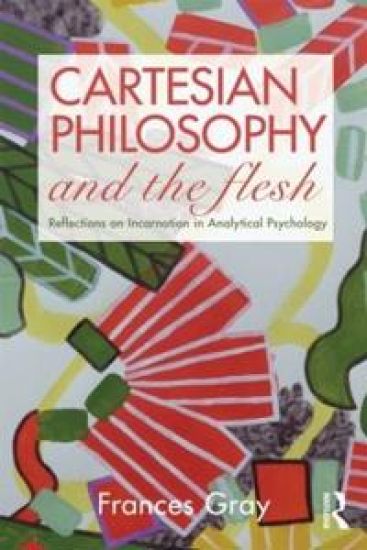
Cartesian Philosophy and the Flesh
How do you know anything is true? What relation is there between my psyche and your psyche, does one exist? Can we doubt everything or are some things indubitable? What does Jung have to say about body and psyche, body and mind? Cartesian Philosophy and the Flesh is an analysis and critique of interpretations of Cartesian philosophy in analytical psychology. It focuses on readings of Descartes that have important implications for understanding Jung, and analytical and existential psychology generally. Frances Gray's book raises questions about the 'place' of the body in a theory of the human psyche and about what kind of psyche, if any, is essential to concepts of human being. Gray claims that the debates around Descartes and metaphysical dualism have been oversimplified and that this has had a profound effect on conceptualizing an on-going relation between psyche and body. The book also explores the relationship between Jung's conception of the phenomenological standpoint and that of Edmund Husserl and Maurice Merleau-Ponty. Cartesian Philosophy and Flesh brings together Descartes’ idea of self-interrogation and self-reflection and Jung's project in The Red Book, the practice of spiritual exercises is the underpinning orientation of both men. It recommends similar practices to anyone interested in the truths of their own living. Gray’s book will be of interest to Jung scholars, and those with an interest in Jungian studies, Analytical Psychologists and Philosophers.
Cartesian Philosophy and the Flesh
How do you know anything is true? What relation is there between my psyche and your psyche, does one exist? Can we doubt everything or are some things indubitable? What does Jung have to say about body and psyche, body and mind? Cartesian Philosophy and the Flesh is an analysis and critique of interpretations of Cartesian philosophy in analytical psychology. It focuses on readings of Descartes that have important implications for understanding Jung, and analytical and existential psychology generally. Frances Gray's book raises questions about the 'place' of the body in a theory of the human psyche and about what kind of psyche, if any, is essential to concepts of human being. Gray claims that the debates around Descartes and metaphysical dualism have been oversimplified and that this has had a profound effect on conceptualizing an on-going relation between psyche and body. The book also explores the relationship between Jung's conception of the phenomenological standpoint and that of Edmund Husserl and Maurice Merleau-Ponty. Cartesian Philosophy and Flesh brings together Descartes’ idea of self-interrogation and self-reflection and Jung's project in The Red Book, the practice of spiritual exercises is the underpinning orientation of both men. It recommends similar practices to anyone interested in the truths of their own living. Gray’s book will be of interest to Jung scholars, and those with an interest in Jungian studies, Analytical Psychologists and Philosophers.
Jung, Irigaray, Individuation

Jung, Irigaray, Individuation

Frances Gray

Routledge
2007
sidottu
How do philosophy and analytical psychology contribute to the mal-figuring of the feminine and women? Does Luce Irigaray's work represent the possibility of individuation for women, an escape from masculine projection and an affirming re-figuring of women? And what would individuation for women entail? This work postulates a novel and unique relationship between Carl Jung and Luce Irigaray. Its central argument, that an ontologically different feminine identity situated in women's embodiment, women's genealogy and a women's divine is possible, develops and re-figures Jung's notion of individuation in terms of an Irigarayan woman-centred politics. Individuation is re-thought as a politically charged issue centred around sex-gendered difference focussed on a critique of Jung's conception of the feminine. The book outlines Plato's conception of the feminine as disorder and argues that this conception is found in Jung's notion of the anima feminine. It then argues that Luce Irigaray's work challenges the notion of the feminine as disorder. Her mimetic adoption of this figuring of the feminine is a direct assault on what can be understood as a culturally dominant Western understanding. Luce Irigaray argues for a feminine divine which will model an ideal feminine just as the masculine divine models a masculine ideal. In making her claims, Luce Irigaray, the book argues, is expanding and elaborating Jung's idea of individuation. Jung, Irigaray, Individuation brings together philosophy, analytical psychology and psychoanalysis in suggesting that Luce Irigaray's conception of the feminine is a critical re-visioning of the open-ended possibilities for human being expressed in Jung's idea of individuation. This fresh insight will intrigue academics and analysts alike in its exploration of the different traditions from which Carl Jung and Luce Irigaray speak.
Jung, Irigaray, Individuation

Jung, Irigaray, Individuation

Frances Gray

Routledge
2007
nidottu
How do philosophy and analytical psychology contribute to the mal-figuring of the feminine and women? Does Luce Irigaray's work represent the possibility of individuation for women, an escape from masculine projection and an affirming re-figuring of women? And what would individuation for women entail? This work postulates a novel and unique relationship between Carl Jung and Luce Irigaray. Its central argument, that an ontologically different feminine identity situated in women's embodiment, women's genealogy and a women's divine is possible, develops and re-figures Jung's notion of individuation in terms of an Irigarayan woman-centred politics. Individuation is re-thought as a politically charged issue centred around sex-gendered difference focussed on a critique of Jung's conception of the feminine. The book outlines Plato's conception of the feminine as disorder and argues that this conception is found in Jung's notion of the anima feminine. It then argues that Luce Irigaray's work challenges the notion of the feminine as disorder. Her mimetic adoption of this figuring of the feminine is a direct assault on what can be understood as a culturally dominant Western understanding. Luce Irigaray argues for a feminine divine which will model an ideal feminine just as the masculine divine models a masculine ideal. In making her claims, Luce Irigaray, the book argues, is expanding and elaborating Jung's idea of individuation. Jung, Irigaray, Individuation brings together philosophy, analytical psychology and psychoanalysis in suggesting that Luce Irigaray's conception of the feminine is a critical re-visioning of the open-ended possibilities for human being expressed in Jung's idea of individuation. This fresh insight will intrigue academics and analysts alike in its exploration of the different traditions from which Carl Jung and Luce Irigaray speak.