Kirjojen hintavertailu – 12 859 828 kirjaa ja 27 kauppaa

Kirjailija

Frances Guerin

Kirjat ja teokset yhdessä paikassa: 7 kirjaa, julkaisuja vuosilta 2005–2022, suosituimpiin kuuluu The Truth Is Always Grey. Vertaile teosten hintoja ja tarkista saatavuus suomalaisista kirjakaupoista.

7 kirjaa

Kirjojen julkaisuvuodet: 2005–2022.

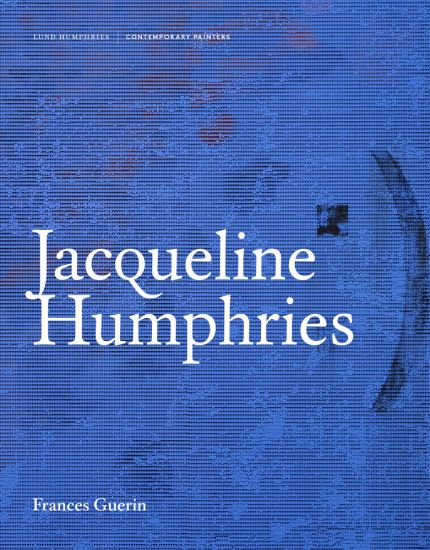
Jacqueline Humphries

Jacqueline Humphries

Frances Guerin

LUND HUMPHRIES PUBLISHERS LTD
2022
sidottu
Over the last three decades, Jacqueline Humphries (b.1960) has, through an innovative painterly process, challenged the limits of abstraction. She has produced a body of work that reaches beyond modernism, Abstract Expressionism, and abstraction as we know it. Multi-layered in application, Humphries challenges the viewer to interact with her painting in diverse ways, inviting new approaches to looking and being with a work. Expertly analysing the ways in which Humphries has challenged convention and placed abstract painting at the centre of our twenty-first century visual environment, Frances Guerin's illuminating text reveals an artist at the peak of her powers.
Midnight Masquerade: A Masquerade Anthology

Midnight Masquerade: A Masquerade Anthology

Cindar Harrell; Frances Guerin; Zoey Xolton

Createspace Independent Publishing Platform
2018
nidottu
Nothing is quite as exciting, or mysterious, as a masquerade ball. Who lurks hidden behind the mask? What secrets are concealed in the crowd of fake faces? Find out in this anthology featuring 16 unique stories from Gothic fantasy, fairy tale, and even a futuristic take on the classic theme.
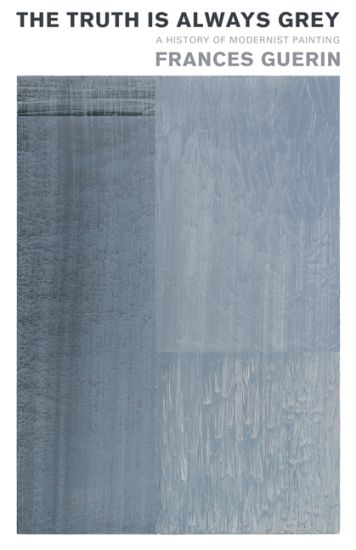
The Truth Is Always Grey

The Truth Is Always Grey

Frances Guerin

University of Minnesota Press
2018
nidottu
Changing how we look at and think about the color grey Why did many of the twentieth century’s best-known abstract painters often choose grey, frequently considered a noncolor and devoid of meaning? Frances Guerin argues that painters (including Jasper Johns, Cy Twombly, Agnes Martin, Brice Marden, Mark Rothko, and Gerhard Richter) select grey to respond to a key question of modernist art: What is painting? By analyzing an array of modernist paintings, Guerin demonstrates that grey has a unique history and a legitimate identity as a color. She traces its use by painters as far back as medieval and Renaissance art, through Romanticism, to nineteenth- and twentieth-century modernism to show how grey is the perfect color to address the questions asked by painting within art history and to articulate the relationship between painting and the historical world of industrial modernity. A work of exceptional erudition, breadth, and clarity, presenting an impressive range of canonical paintings across centuries as examples, The Truth Is Always Grey is a treatise on color that allows us to see something entirely new in familiar paintings and encourages our appreciation for the innovation and dynamism of the color grey.
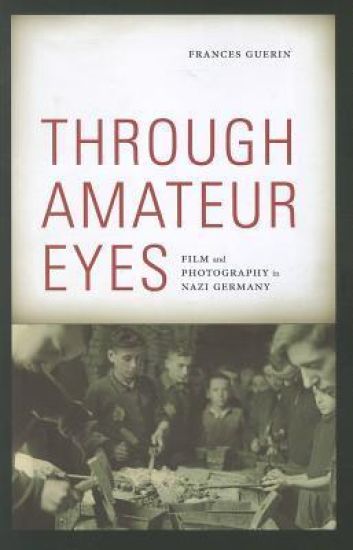
Through Amateur Eyes

Through Amateur Eyes

Frances Guerin

University of Minnesota Press
2011
nidottu
We have seen the films of professionals and propagandists celebrate Adolf Hitler, his SS henchmen, and the Nazi Party. But what of the documentary films and photographs of amateurs, soldiers, and others involved in the war effort who were simply going about their lives amid death and destruction? And what of the films and photographs that want us to believe there was no death and destruction? This book asks how such images have shaped our memories and our memorialization of World War II and the Holocaust. Frances Guerin considers the implications of amateur films and photographs taken by soldiers, bystanders, resistance workers, and others in Nazi Germany. Her book explores how photographs taken by soldiers and bystanders on the Eastern Front, depictions of everyday life in the LÓdz ghetto, and home movies and family albums of Hitler’s mistress Eva Braun, among others, can challenge the conventional idea that such images reflect Nazi ideology because they are taken by perpetrators and sympathizers. Through Amateur Eyes upsets our expectations and demonstrates how these images can be understood as chillingly unrehearsed images of war, trauma, and loss. Many of these images have been reused-often unacknowledged-in contemporary narratives memorializing World War II: museum exhibitions, made-for-television documentaries, documentary films, and the Internet. Guerin shows how modern uses of these images often reinforce well-rehearsed narratives of cultural memory. She offers a critical new perspective on how we can incorporate such still and moving images into processes of witnessing the traumas of the past in the present moment.

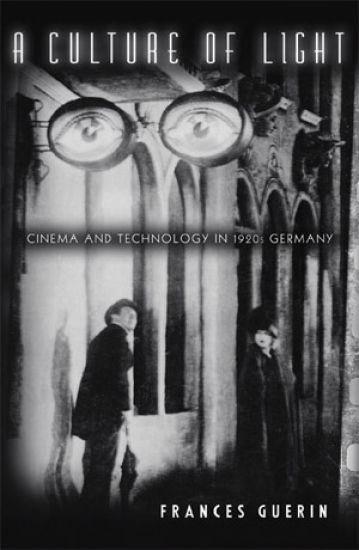
A Culture of Light

A Culture of Light

Frances Guerin

University of Minnesota Press
2005
nidottu
Cinema is a medium of light. And during Weimar Germany's advance to technological modernity, light - particularly the representational possibilities of electrical light - became the link between the cinema screen and the rapid changes that were transforming German life. In Frances Guerin's compelling history of German silent cinema of the 1920s, the innovative use of light is the pivot around which a new conception of a national cinema, and a national culture emerges. Guerin depicts a nocturnal Germany suffused with light - electric billboards, storefronts, police searchlights - and shows how this element of the mise-en-scene came to reflect both the opportunities and the anxieties surrounding modernity and democracy. Guerin's interpretations center on use of light in films such as Schatten (1923), Variete (1925), Metropolis (1926), and Der Golem (1920). In these films we see how light is the substance of image composition, the structuring device of the narrative, and the central thematic concern. This history relieves German films of the responsibility to explain the political and ideological instability of the period, an instability said to be the uncertain foundation of Nazism. In unlocking this dubious link, A Culture of Light redefines the field of German film scholarship.