

Kirjailija
Francis Parkman
Kirjat ja teokset yhdessä paikassa: 407 kirjaa, julkaisuja vuosilta 1983–2026, suosituimpiin kuuluu France and England in North America; A Series Of Historical Narratives, Part III, The Discovery of the Great West. Vertaile teosten hintoja ja tarkista saatavuus suomalaisista kirjakaupoista.
407 kirjaa
Kirjojen julkaisuvuodet: 1983–2026.

The Conspiracy of Pontiac and the Indian War After the Conquest of Canada
Francis Parkman
Kessinger Pub
2006
pokkari


Conspiracy Of Pontiac And The Indian War After The Conquest Of Canada V2
Francis Parkman
KESSINGER PUBLISHING CO
2006
pokkari

The Jesuits in North America in the Seventeenth Century
Francis Parkman
Cosimo Classics
2005
pokkari
Working from firsthand sources-and through the bias and prejudices of his time-noted American historian and writer Francis Parkman produced, in 1867, this prodigious history of the Jesuit priesthood in North America during the early decades With reports, memoirs, journals, letters, and other papers both official and private serving as his background, Parkman details the Catholics' attempts to convert the Huron, Algonquin, and Iroquois, as well as the resulting Iroquois war on the con FRANCIS PARKMAN (1823-1893) was born in Boston, Massachusetts, to a wealthy family whose fortune allowed him the freedom to pursue his twin scholarly passions of horticulture and history. A founder of the Archaeological Institute of America, he authore
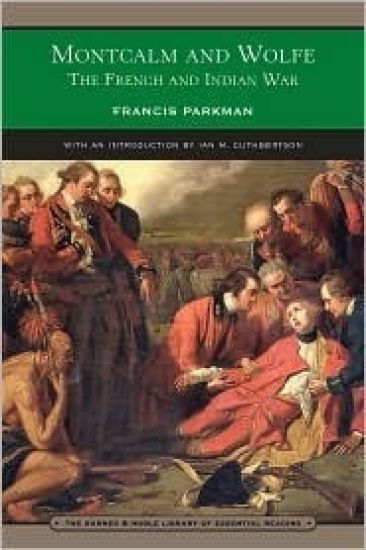
In Montcalm and Wolfe, Francis Parkman presents a majestic and panoramic history of the French and Indian Wars in North America. Against a backdrop of the world's first truly global conflict, the Seven Years War, Parkman explores the personal duel for supremacy between Britain's James Wolfe and France's Louis de Montcalm. The outcome of this conflict did indeed decisively shape the future of a continent.
Pioneers of France in the New World, Huguenots in Florida, Samuel De Champlain
Francis Parkman
KESSINGER PUBLISHING CO
2005
pokkari
Pioneers of France in the New World, Huguenots in Florida, Samuel De Champlain
Francis Parkman
Kessinger Pub
2005
sidottu


History of the Conspiracy of Pontiac and the War of the North American Tribes Against the English Colonies After the Conquest of Canada
Francis Parkman
KESSINGER PUBLISHING CO
2004
sidottu

History of the Conspiracy of Pontiac and the War of the North American Tribes Against the English Colonies After the Conquest of Canada
Francis Parkman
KESSINGER PUBLISHING CO
2004
pokkari


Jesuits in North America in the Seventeenth Century
Francis Parkman
KESSINGER PUBLISHING CO
2004
pokkari



France And England In North America A Series Of Historical Narratives Part Third, The Discovery Of The Great West
Francis Parkman
KESSINGER PUBLISHING CO
2004
pokkari




The Oregon Trail offers a critical view of the Conestoga wagon generation. The result of the notes Parkman took along the newly-developed roads to the West, the book put an end to the sentimentalized portrait of pioneer travel. Altering the course of American history and shaping early views of Native Americans, it denounces, in its descriptions of the Oglala tribe he visited, the stereotype of the Noble Savage.