Kirjojen hintavertailu – 12 859 819 kirjaa ja 27 kauppaa

Kirjailija

Francis Prendiville

Kirjat ja teokset yhdessä paikassa: 4 kirjaa, julkaisuja vuosilta 2000–2016, suosituimpiin kuuluu Drama and Traditional Story for the Early Years. Vertaile teosten hintoja ja tarkista saatavuus suomalaisista kirjakaupoista.

4 kirjaa

Kirjojen julkaisuvuodet: 2000–2016.

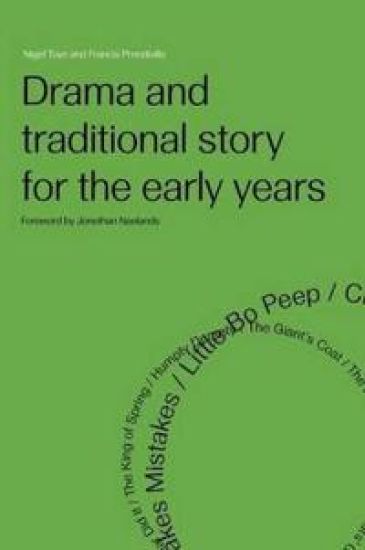
Drama and Traditional Story for the Early Years

Drama and Traditional Story for the Early Years

Francis Prendiville; Jonothan Neelands; Nigel Toye

Routledge
2016
sidottu
This is a book that looks at how drama has its basis in good early years practice. Most early years practitioners are doing some drama and are edging towards more structured work - this text will help them go further by building their own skills. Using tried and tested example dramas based on traditional stories, the authors show how clearly dramas are constructed. They move from the simple use if TiR (Teacher in Role) to more complex, full dramas, using traditional stories including Little Bo Peep, Cinderella, Sleeping Beauty, Humpty Dumpty, The Pied Piper, The Billy Goats Gruff and Hansel and Gretel. Drama in the early years covers a number of key areas where drama is of particular importance for this age group including: * drama in the National Curriculum * how drama can help your teaching of the Literacy Hour * personal and social education and citizenship * drama and special needs * assessment * recording and progression * developing a school policy for drama.
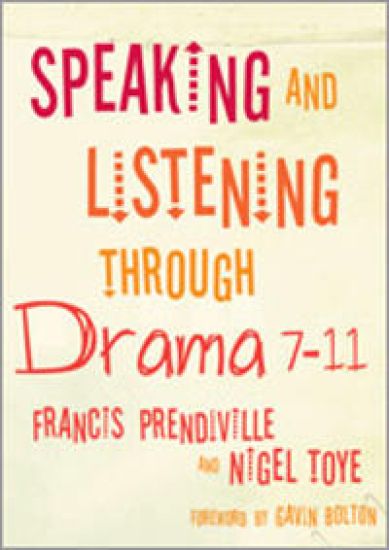
Speaking and Listening through Drama 7-11

Speaking and Listening through Drama 7-11

Francis Prendiville; Nigel Toye

SAGE Publications Inc
2007
sidottu
'This book is special. It proposes a style of drama that liberates teachers and children from traditional dialogues... The dramas, each linked to a literacy text or wider theme, are amazing... I would recommend buying this. It challenges, but rewards with a new level of classroom dialogue' - Literacy Time 'This new book for teachers is timely and full of good ideas. It demonstrates the value of drama as a means of achieving education that stimulates creative and critical thinking while also engaging the emotions' - Teaching Thinking & Creativity Showing teachers how to use drama to promote speaking and listening for pupils, including those who find learning difficult, this book describes, analyses and teaches how to use role play effectively and looks at how to generate a productive dialogue between teachers and pupils that is both powerful and enabling. The authors present innovative methods for teaching across the curriculum which are genuinely inclusive and can help to motivate reluctant learners. The 'how to' section of the book describes a range of strategies and approaches: o how to begin with 'teacher in role' o how to begin planning drama o how to generate quality speaking and listening o how to use drama for inclusion and citizenship o how to generate empathy in drama o how to link history and drama o how to begin using assessment of speaking and listening (and other English skills) through drama The second section includes full lesson plans that have been tried and tested with pupils, complete with detailed guidance on how to structure the work and how to play the teacher roles. Each is linked to literacy, the wider curriculum, PSHE and citizenship. The book is a valuable resource for primary teachers in training and in practice.
Speaking and Listening through Drama 7-11

Speaking and Listening through Drama 7-11

Francis Prendiville; Nigel Toye

SAGE Publications Inc
2007
nidottu
'This book is special. It proposes a style of drama that liberates teachers and children from traditional dialogues... The dramas, each linked to a literacy text or wider theme, are amazing... I would recommend buying this. It challenges, but rewards with a new level of classroom dialogue' - Literacy Time 'This new book for teachers is timely and full of good ideas. It demonstrates the value of drama as a means of achieving education that stimulates creative and critical thinking while also engaging the emotions' - Teaching Thinking & Creativity Showing teachers how to use drama to promote speaking and listening for pupils, including those who find learning difficult, this book describes, analyses and teaches how to use role play effectively and looks at how to generate a productive dialogue between teachers and pupils that is both powerful and enabling. The authors present innovative methods for teaching across the curriculum which are genuinely inclusive and can help to motivate reluctant learners. The 'how to' section of the book describes a range of strategies and approaches: o how to begin with 'teacher in role' o how to begin planning drama o how to generate quality speaking and listening o how to use drama for inclusion and citizenship o how to generate empathy in drama o how to link history and drama o how to begin using assessment of speaking and listening (and other English skills) through drama The second section includes full lesson plans that have been tried and tested with pupils, complete with detailed guidance on how to structure the work and how to play the teacher roles. Each is linked to literacy, the wider curriculum, PSHE and citizenship. The book is a valuable resource for primary teachers in training and in practice.
Drama and Traditional Story for the Early Years

Drama and Traditional Story for the Early Years

Francis Prendiville; Jonothan Neelands; Nigel Toye

Routledge
2000
nidottu
This is a book that looks at how drama has its basis in good early years practice. Most early years practitioners are doing some drama and are edging towards more structured work - this text will help them go further by building their own skills. Using tried and tested example dramas based on traditional stories, the authors show how clearly dramas are constructed. They move from the simple use if TiR (Teacher in Role) to more complex, full dramas, using traditional stories including Little Bo Peep, Cinderella, Sleeping Beauty, Humpty Dumpty, The Pied Piper, The Billy Goats Gruff and Hansel and Gretel. Drama in the early years covers a number of key areas where drama is of particular importance for this age group including: * drama in the National Curriculum * how drama can help your teaching of the Literacy Hour * personal and social education and citizenship * drama and special needs * assessment * recording and progression * developing a school policy for drama.