Kirjojen hintavertailu – 12 859 819 kirjaa ja 27 kauppaa
Kirjailija
François Neyt
Kirjat ja teokset yhdessä paikassa: 5 kirjaa, julkaisuja vuosilta 2020–2026, suosituimpiin kuuluu The World of Songye. Vertaile teosten hintoja ja tarkista saatavuus suomalaisista kirjakaupoista.
Dieter Buchhart; Kevin Dumouchelle; Lance Entwistle; Bernard de Grunne; Susan Kloman; Alexis Maggiar; Constantine Petridis; Henrich Schweizer; Bernard Cuisin; Hans Himmelheber; Karel Timmermans; Victor Teodorescu; François Neyt; Cutsem Anne Vanderstraete-Van
The ultimate and authoritative introduction to Songye culture, sculpture, masks, and iron forging This lavishly illustrated book brings a new approach to the masterpieces of Songye, a Bantu ethnic group from the central Democratic Republic of the Congo, exploring the styles of the different regions, the identification of Songye master artists, and the specificity of Kifwebe masks. The World of Songye displays a large number of unpublished and specially commissioned photographs of Songye works of art from private and public collections, and of historic field photographs. Edited by the unchallenged specialists of the subject with contributions from ten distinguished writers, World of Songye analyzes Songye aesthetics and symbols, the Songye representation of animals and weapons and the history of collecting Songye artifacts on the field. It also explores the religious and magical functions and powers of Songye objects and their influence on modern art, focusing in particular on Jean-Michel Basquiat. Distributed for Mercatorfonds
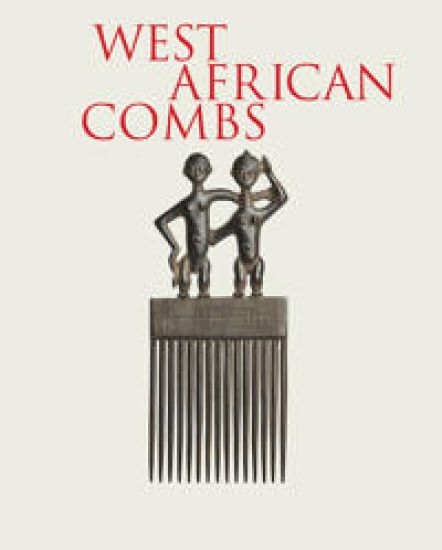
This book is put together like a jewel and contains a carefully chosen selection of around 100 West African combs from one of the world’s largest and finest private collections of sub-Saharan African art. Featuring a hitherto unseen assortment of pieces assembled over a period of more than 60 years, the book also includes an authoritative analysis by Alain-Michel Boyer, who approached this rarely addressed theme in what was his final work, begun almost ten years ago. As well as offering us valuable insights into the cultures that produced these miniature sculptures (Ivory Coast, Ghana, Burkina Faso, Nigeria), he explores the way the form itself is approached. These creations transform what is in principle a plain accessory and in the effort to attain pure beauty, they display an aesthetic awareness that raises the adornment of the body to the level of fine art.
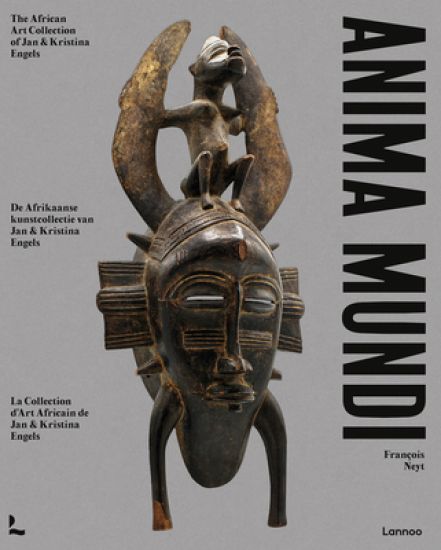
Anima Mundi is the catalogue of the large collection of African art by Jan and Kristina Engels. For several years now they have been presenting their own private collection in their museum JAS (Jan aan de Stroom). It is a place where creativity, art and traditions meet. In the book you will discover beautiful photography of their collected art, accompanied by texts by specialist in African Art, François Neyt. Text in English, French and Dutch.
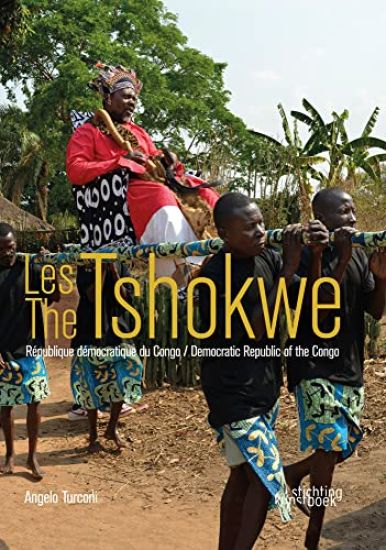
The Tshokwe are a major people of Central Africa who have been present for six centuries on the borders of Zambia, Angola and the Democratic Republic of Congo. Their structured social organisation gave them a military and commercial advantage. Thanks to this dominant position, they have developed an artistic heritage which gradually became their main identity factor. Today, there are two million Tshokwe, half of whom reside in Congo DRC. The people continue to assert their desire to exist through their culture. And the power of their art is internationally recognised. This reference work allows us to discover the daily life of the Tshokwe but also their crafts, the symbolism of their masks, the power of their rites and the fervor of their popular festivals. It makes us understand how their attachment to tradition helps them to chart a course for the future. Text in English and French.
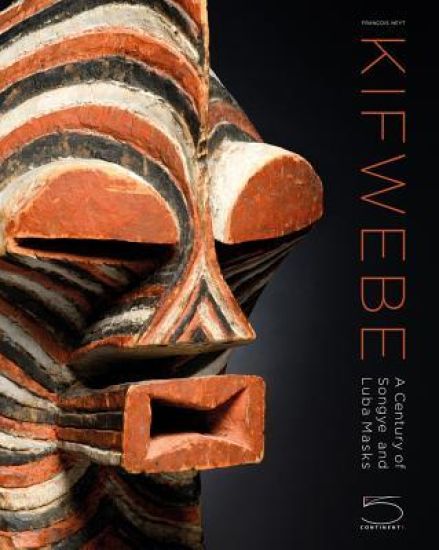
Kifwebe masks are ceremonial objects used by the Songye and Luba societies (Democratic Republic of Congo), where they are worn with costumes consisting of a long robe and a long beard made of plant fibres. As in other central African cultures, the same mask can be used in either magical and religious or festive ceremonies. In order to understand Kifwebe masks, it is essential to consider them within the cosmogony of the python rainbow, metalworking in the forge, and other plant and animal signs. Among the Songye, benevolent female masks reveal what is hidden and balance white and red energy associated with two subsequent initiations, the bukishi. Aggressive male masks were originally involved in social control and had a kind of policing role, carried out in accordance with the instructions of village elders. These two male and female forces acted in a balanced way to reinforce harmony within the village. Among the Luba, the masked figures are also benevolent and appear at the new moon, their role being to enhance fertility. Although the male and female masks fulfil functions that do not wholly overlap, they do have features in common: a frontal crest, round and excessively protruding eyes, flaring nostrils, a cube-shaped mouth and lips, stripes, and colours. Art historians and anthropologists have taken increasing interest in Kifwebe masks in recent years.