Kirjojen hintavertailu – 12 876 282 kirjaa ja 26 kauppaa

Kirjailija

Frank Chin

Kirjat ja teokset yhdessä paikassa: 8 kirjaa, julkaisuja vuosilta 1981–2015, suosituimpiin kuuluu No-No Boy. Vertaile teosten hintoja ja tarkista saatavuus suomalaisista kirjakaupoista.

8 kirjaa

Kirjojen julkaisuvuodet: 1981–2015.

The Confessions of a Number One Son

The Confessions of a Number One Son

Frank Chin

University of Hawai'i Press
2015
sidottu
In the early 1970s, Frank Chin, the outspoken Chinese American author of such plays as The Chickencoop Chinaman and The Year of the Dragon, wrote a fulllength novel that was never published and presumably lost. Nearly four decades later, Calvin McMillin, a literary scholar specializing in Asian American literature,would discover Chin’s original manuscripts and embark on an extensive restoration project. Meticulously reassembled from multiple extant drafts, Frank Chin’s “forgotten” novel is a sequel to The Chickencoop Chinaman and follows the further misadventures of Tam Lum, the original play’s witty protagonist. Haunted by the bitter memories of a failed marriage and the untimely death of a beloved family member, Tam flees San Francisco’s Chinatown for a life of self-imposed exile on the Hawaiian island of Maui. After burning his sole copy of a manuscript he believed would someday be hailed as “The Great Chinese American Novel,” Tam stumbles into an unlikely romance with Lily, a former nun fresh out of the convent and looking for love. In the process, he also develops an unusual friendship with Lily’s father, a washed-up Hollywood actor once famous for portraying Charlie Chan on the big screen. Thanks in no small part to this bizarre father/daughter pair, not to mention an array of equally quirky locals, Tam soon discovers that his otherwise laidback island existence has been transformed into a farce of epic proportions. Had it been published in the 1970s as originally intended, The Confessions of a Number One Son might have changed the face of Asian American literature as we know it. Written at the height of Frank Chin’s creative powers, this formerly “lost” novel ranks as the author’s funniest, most powerful, and most poignant work to date. Now, some forty years after its initial conception, The Confessions of a Number One Son is finally available to readers everywhere.
The Confessions of a Number One Son

The Confessions of a Number One Son

Frank Chin

University of Hawai'i Press
2015
nidottu
In the early 1970s, Frank Chin, the outspoken Chinese American author of such plays as The Chickencoop Chinaman and The Year of the Dragon, wrote a fulllength novel that was never published and presumably lost. Nearly four decades later, Calvin McMillin, a literary scholar specializing in Asian American literature,would discover Chin’s original manuscripts and embark on an extensive restoration project. Meticulously reassembled from multiple extant drafts, Frank Chin’s “forgotten” novel is a sequel to The Chickencoop Chinaman and follows the further misadventures of Tam Lum, the original play’s witty protagonist. Haunted by the bitter memories of a failed marriage and the untimely death of a beloved family member, Tam flees San Francisco’s Chinatown for a life of self-imposed exile on the Hawaiian island of Maui. After burning his sole copy of a manuscript he believed would someday be hailed as “The Great Chinese American Novel,” Tam stumbles into an unlikely romance with Lily, a former nun fresh out of the convent and looking for love. In the process, he also develops an unusual friendship with Lily’s father, a washed-up Hollywood actor once famous for portraying Charlie Chan on the big screen. Thanks in no small part to this bizarre father/daughter pair, not to mention an array of equally quirky locals, Tam soon discovers that his otherwise laidback island existence has been transformed into a farce of epic proportions. Had it been published in the 1970s as originally intended, The Confessions of a Number One Son might have changed the face of Asian American literature as we know it. Written at the height of Frank Chin’s creative powers, this formerly “lost” novel ranks as the author’s funniest, most powerful, and most poignant work to date. Now, some forty years after its initial conception, The Confessions of a Number One Son is finally available to readers everywhere.
No-No Boy

No-No Boy

John Okada; Ruth Ozeki; Frank Chin

University of Washington Press
2014
pokkari
"No-No Boy has the honor of being among the first of what has become an entire literary canon of Asian American literature," writes novelist Ruth Ozeki in her new foreword. First published in 1957, No-No Boy was virtually ignored by a public eager to put World War II and the Japanese internment behind them. It was not until the mid-1970s that a new generation of Japanese American writers and scholars recognized the novel's importance and popularized it as one of literature's most powerful testaments to the Asian American experience. No-No Boy tells the story of Ichiro Yamada, a fictional version of the real-life "no-no boys." Yamada answered "no" twice in a compulsory government questionnaire as to whether he would serve in the armed forces and swear loyalty to the United States. Unwilling to pledge himself to the country that interned him and his family, Ichiro earns two years in prison and the hostility of his family and community when he returns home to Seattle. As Ozeki writes, Ichiro's "obsessive, tormented" voice subverts Japanese postwar "model-minority" stereotypes, showing a fractured community and one man's "threnody of guilt, rage, and blame as he tries to negotiate his reentry into a shattered world." The first edition of No-No Boy since 1979 presents this important work to new generations of readers.
Born in the USA

Born in the USA

Frank Chin

Rowman Littlefield Publishers
2002
nidottu
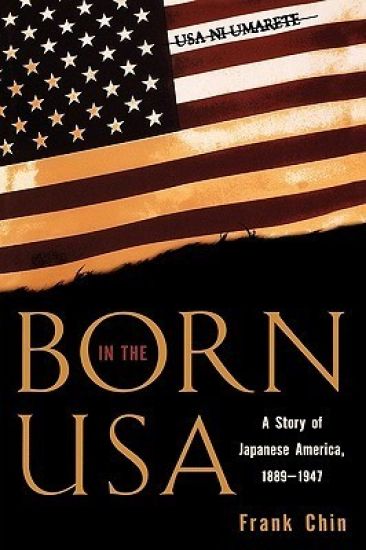
This unique oral history presents the Japanese American saga as told by those who lived through it. Frank Chin details the lives of first and second generation Japanese Americans before World War II with a rich kaleidoscope of images drawn from interviews, popular songs, novels, and newspaper articles. The heart of his story is the tragedy that followed the bombing of Pearl Harbor, when Japanese American citizens lost their homes and property and were forced into internment camps. The author deftly weaves interviews and testimony from the Japanese American Citizen's League (JACL) with opposing, in-depth conversations with those who resisted the JACL's support for U. S. policy. This shameful episode in American history resonates deeply today as we witness similar erosions of civil rights in the name of wartime security.
Donald Duk

Donald Duk

Frank Chin

Coffee House Press
1991
pokkari
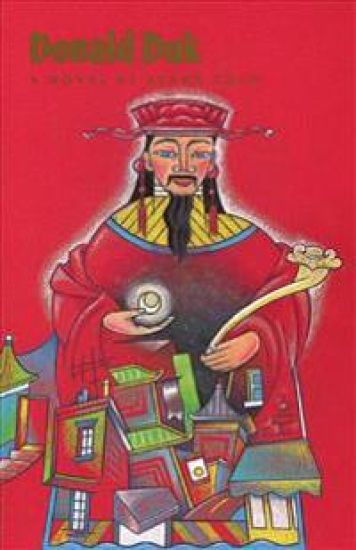
"The 11-year-old hero of Mr. Chin's inventive, energetic first novel is educated in his Chinese heritage through a series of astonishing dreams about working on the Central Pacific Railroad in 1869."--New York Times Book Review "Doubt not the ability of the gifted, passionate, funny Mr. Chin."--New Yorker
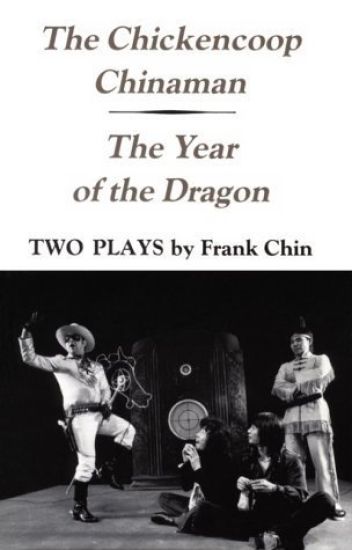
The Chickencoop Chinaman and The Year of the Dragon

The Chickencoop Chinaman and The Year of the Dragon

Frank Chin

University of Washington Press
1981
pokkari
When first produced in 1972 and 1974, these two plays created an enormous stir. Some critics condemned the playwright, others praised him. In susequent years his work has had a profound impact on a generation of young Asian American writers. With the publication of this volume, the plays can now be read and debated and enjoyed by a larger audience.