Kirjojen hintavertailu – 12 903 725 kirjaa ja 27 kauppaa

Kirjailija

Frank Holmes

Kirjat ja teokset yhdessä paikassa: 6 kirjaa, julkaisuja vuosilta 2004–2019, suosituimpiin kuuluu Pioneer Horse Breeders: Coke Roberds, Si Dawson, the Peavys, Casements and Semotans. Vertaile teosten hintoja ja tarkista saatavuus suomalaisista kirjakaupoista.

6 kirjaa

Kirjojen julkaisuvuodet: 2004–2019.

Pioneer Horse Breeders: Coke Roberds, Si Dawson, the Peavys, Casements and Semotans
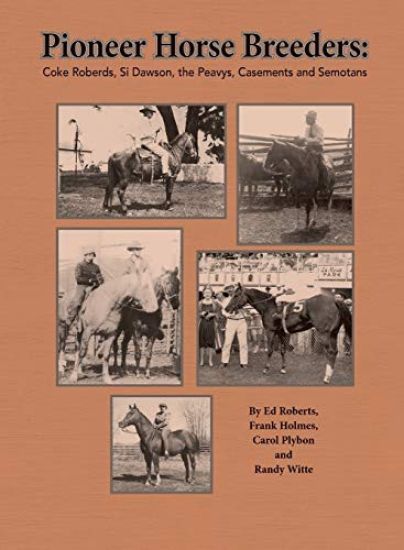
Coke Roberds and Si Dawson were both born in 1870, grew up on ranches and were life-long friends. They both moved to ranches in Routt County, Colo., shortly after the turn of the 20th Century, and raised cattle and horses. They were passionate about finding and raising the best possible horses for ranch work and racing. In 1914, 16-year-old Marshall Peavy acquired a nearby ranch and immediately shared his neighbors' passion for breeding the best to the best. He married the local school teacher, Mavis Caldwell, and she went on to become a famous horse breeder as well. Another nearby pioneer family, the Semotans, joined in with the neighborhood horse activities. In those days horses were important for transportation and work, for gathering cattle and sheep, and for supplying the U. S. Cavalry with mounts to meet their needs. To the families of that time and place, their horses were a source of income, but also a source of pride and entertainment--for racing, roping and polo. Marshall and Mavis Peavy hosted an annual "field day" on their ranch, which included a variety of horse competitions, picnic lunches and lots of visiting. Another important family, the Casements, moved to this area near Steamboat Springs, Colo., and also contributed greatly to the development of the Quarter Horse and Appaloosa breeds. These early-day breeders bought, sold and traded horses among themselves and created a nation-wide demand for their equine off-spring. Many of their descendants are still involved with horses today. The 148-page book includes 185 black-and-white photos, mostly depicting the pioneer breeders, their horses and lifestyles. Text was generated from family interviews and letters, plus researched material.
Pioneer Horse Breeders: Coke Roberds, Si Dawson, the Peavys, Casements and Semotans
Coke Roberds and Si Dawson were both born in 1870, grew up on ranches and were life-long friends. They both moved to ranches in Routt County, Colo., shortly after the turn of the 20th Century, and raised cattle and horses. They were passionate about finding and raising the best possible horses for ranch work and racing. In 1914, 16-year-old Marshall Peavy acquired a nearby ranch and immediately shared his neighbors' passion for breeding the best to the best. He married the local school teacher, Mavis Caldwell, and she went on to become a famous horse breeder as well. Another nearby pioneer family, the Semotans, joined in with the neighborhood horse activities. In those days horses were important for transportation and work, for gathering cattle and sheep, and for supplying the U. S. Cavalry with mounts to meet their needs. To the families of that time and place, their horses were a source of income, but also a source of pride and entertainment--for racing, roping and polo. Marshall and Mavis Peavy hosted an annual "field day" on their ranch, which included a variety of horse competitions, picnic lunches and lots of visiting. Another important family, the Casements, moved to this area near Steamboat Springs, Colo., and also contributed greatly to the development of the Quarter Horse and Appaloosa breeds. These early-day breeders bought, sold and traded horses among themselves and created a nation-wide demand for their equine off-spring. Many of their descendants are still involved with horses today. The 148-page book includes 185 black-and-white photos, mostly depicting the pioneer breeders, their horses and lifestyles. Text was generated from family interviews and letters, plus researched material.
More than Color

More than Color

Frank Holmes

Western Horseman
2008
pokkari
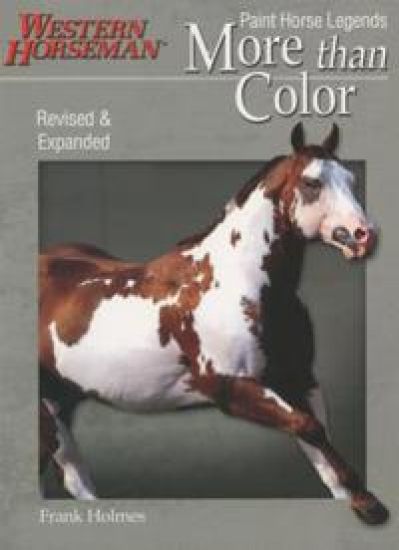
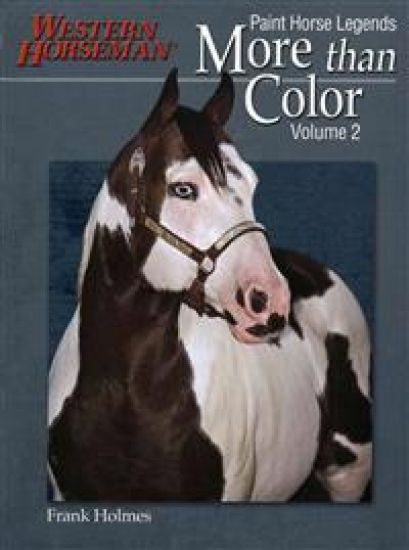
More than Color - Paint Horse Legends, Volume 2 features 20 more stories of the breed's greatest foundation stallions, mares and geldings, as told by the pioneering men and women who know them best. This is the most comprehensive biographical study ever written on famous Paint Horses and contains over 200 black-and-white photos. It is a fitting tribute to one of the most popular equine breeds in existence - and one that can truly be called the "Sports Model of the Horse World."
More than Color

More than Color

Frank Holmes

Western Horseman
2008
pokkari
More than Color - Paint Horse Legends features the stories of 20 of the breed's greatest foundation stallions, mares and geldings, as told by the pioneering men and women who know them best. This is the most comprehensive biographical study ever written on famous Paint Horses and contains over 30 full-color and and over 200 black-and-white photos. It is a fitting tribute to one of the most popular equine breeds in existence - and one that can truly be called the "Sports Model of the Horse World."
Legends

Legends

Alan Gold; Sally Harrison; Frank Holmes; Ty Wyant

Western Horseman
2004
pokkari
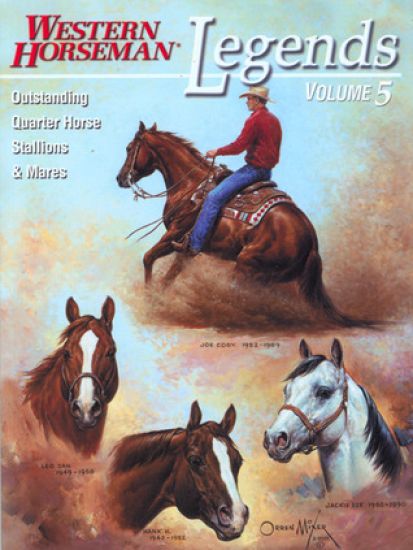
Legends, Volume 5 profiles 18 outstanding Quarter Horse stallions and mares who have had a significant impact on the breed. This volume features 16 stallions and 2 mares, and starts with Little Joe, who predated the formation of the American Quarter Horse Association, but whose influence on the breed continued for years after his death. This volume is the largest in the Legends series with 248 pages and about 300 photographs, some of which have rarely been seen. As with previous volumes, each horse's story includes a four-generation pedigree, a summary of his/her show and/or race record, a sire or production record, and many photographs.
Legends

Legends

Jim Goodhue; Kim Guenther; Frank Holmes; Diane Ciarloni

Western Horseman
2004
pokkari
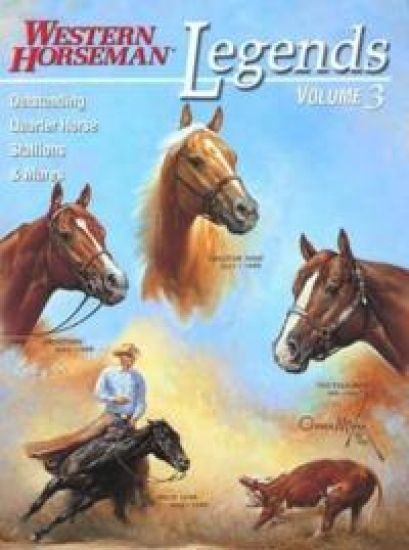
Just like the previous two Legends books, this one also profiles a number of stallions and several mares who gained fame in the American Quarter Horse Association. While some of them played roles in the formation of the breed, others are more contemporary. Some gained fame on the track, while others carved their niches in the show ring, and some did both. Many are also household names in the Quarter Horse industry because of their additional impact on the breed as sires and dams. Each chapter is about a specific stallion or mare, and includes a four-generation pedigree, a summary of the horse's performance record and sire or production record, and many photographs.