
Kirjailija
Frank Lestringant
Kirjat ja teokset yhdessä paikassa: 7 kirjaa, julkaisuja vuosilta 1990–2024, suosituimpiin kuuluu Rabelais Cartes Sur Tables. Vertaile teosten hintoja ja tarkista saatavuus suomalaisista kirjakaupoista.
7 kirjaa
Kirjojen julkaisuvuodet: 1990–2024.

Lumiere Des Martyrs: Essai Sur Le Martyre Au Siecle Des Reformes
Frank Lestringant
Classiques Garnier
2015
sidottu
The burning of martyrs illuminated the Reformation in its ascendancy. But after the fires came the chains. Establishing the 'cause' of the martyr could serve to justify the persecuted minority. The Counter-Reformation responded to the Gospel proclaimed at the stake with a theatre of cruelty inherited from Seneca.

Lire Les Tragiques d'Agrippa d'Aubigne
Frank Lestringant; Jean-Charles Monferran
Classiques Garnier
2013
sidottu

Lire Les Tragiques d'Agrippa d'Aubigne
Frank Lestringant; Jean-Charles Monferran
Classiques Garnier
2013
nidottu
This work constitutes an introduction to Agrippa Aubigne's Tragiques and the six books which proceed from Miseres to Jugement. It allows the reader to penetrate to the heart of this Huguenot Divine Comedy and situates the work in its historical, political, and aesthetic context, while illuminating its irreducible originality.

Frank Lestringant is one of the foremost authorities on European encounters with the New World. This book is a fascinating account of the existence of New World cannibalism and the images it conjured up for Europeans from the Renaissance to the nineteenth century. Drawing on previously unavailable sources, Lestringant describes how European voyagers, divines and missionaries encountered the cannibalistic cultures and represented them in their journals and writings. Mapping the origins and evolution of the word 'cannibal', Lestringant describes the symbolic uses of cannibalism by authors, political theorists and theologians. In a wide-ranging discussion he surveys the myth and the reality of the cannibal, and explores the deployment of the image in European literature and legend. Lestringant argues that sixteenth-century travellers and writers turned the figure of the man-eating savage of the Americas into a positive figure, a hero who devoured his defeated enemy in accordance with custom and not in order to satisfy some cruel instinct. Two centuries later the philosophers of the Enlightenment used the figure of the cannibal in their fight against the colonialists and Catholics. But the positive image of the cannibal suffered a reversal at the end of the eighteenth century, becoming a hateful figure and arousing the primitivist dreams of Sade and Flaubert. Written in a lively and accessible style, this engaging book will be welcomed by students and researchers in a wide range of discipines - early modern history, European literature, anthropology and religious studies - as well as anyone interested in the history of cannibalism.
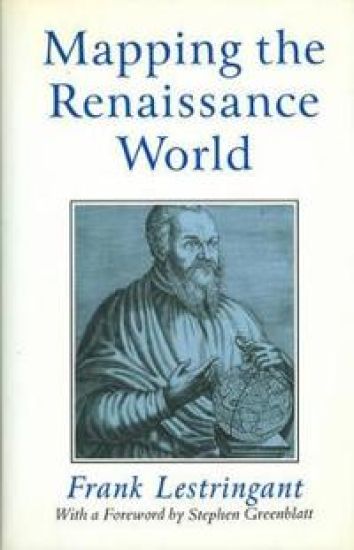
This book focuses on the work of the great sixteenth-century traveller and map-maker Andre Thevat and explores the interrelations between representation and power in the age of discovery.