Kirjojen hintavertailu – 12 859 819 kirjaa ja 27 kauppaa
Kirjailija
Frank R. Stockton
Kirjat ja teokset yhdessä paikassa: 376 kirjaa, julkaisuja vuosilta 2002–2026, suosituimpiin kuuluu Kate Bonnet (1901). By: Frank R. Stockton: Novel (World's classic's). Vertaile teosten hintoja ja tarkista saatavuus suomalaisista kirjakaupoista.
A classic nineteenth-century portrayal of an irresponsible scientist who creates hazardous devices-- set in 1947 this futuristic novel recounts arctic submarine exploration and a journey to the earth's center... We are happy to announce this classic book. Many of the books in our collection have not been published for decades and are therefore not broadly available to the readers. Our goal is to access the very large literary repository of general public books. The main contents of our entire classical books are the original works. To ensure high quality products, all the titles are chosen carefully by our staff. We hope you enjoy this classic.
A double adventure written at the end of the 19th century, somewhat in the theme of Jules Verne's Twenty Thousand Leagues Under the Sea and Journey to the Center of the Earth, telling of a submarine trip in the year 1947 to reach the North Pole and a project to examine the center of the Earth by boring a deep shaft. What they find at the core of the planet surprises the enterprising explorers.
A retired middle-aged gentleman and his wife take a long walk, arm-in-arm, many miles, up hills, across fields, with a laden knapsack and a heavy picnic basket, and yet they are completely at ease because of the gentleman's invention, a negative gravity device, which they carry to lighten their weight. He uses the device to help with farm work. The gentleman later uses the device on a mountain climb and amazes an unknowing Alpine-club member with his speed and agility on a difficult mountain climb in spite of his carrying a heavy load and not looking particularly strong. He realizes the invention has tremendous financial potential. However, this invention gets him into a humorous predicament and causes a problem for his family, which he resolves in an unexpected way. This light-hearted short story was first published in a collection by Frank R. Stockton entitled The Christmas Wreck and Other Stories (New York, 1886).
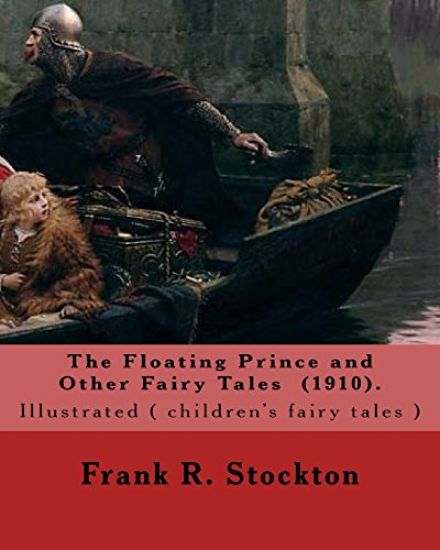
Reginald Bathurst Birch (May 2, 1856 - June 17, 1943) was an English-American artist and illustrator. He was best known for his depiction of the titular hero of Frances Hodgson Burnett's 1886 novel Little Lord Fauntleroy, which started a craze in juvenile fashion. While his illustrated corpus has eclipsed his other work, he was also an accomplished painter of portraits and landscapes......................... Frank Richard Stockton (April 5, 1834 - April 20, 1902) was an American writer and humorist, best known today for a series of innovative children's fairy tales that were widely popular during the last decades of the 19th century. Life: Born in Philadelphia in 1834, Stockton was the son of a prominent Methodist minister who discouraged him from a writing career. After marrying Mary Ann Edwards Tuttle, he and his wife moved to Burlington, New Jersey, where he produced some of his first literary work. The couple then moved to Nutley, New Jersey. For years he supported himself as a wood engraver until his father's death in 1860. In 1867, he moved back to Philadelphia to write for a newspaper founded by his brother. His first fairy tale, "Ting-a-ling," was published that year in The Riverside Magazine; his first book collection appeared in 1870. He was also an editor for Hearth and Home magazine in the early 1870s. Around 1899, he moved to Charles Town, West Virginia. He died in 1902 of cerebral hemorrhage and is buried at The Woodlands in Philadelphia. Writings: Stockton avoided the didactic moralizing common to children's stories of the time. Instead, he humorously poked fun at greed, violence, abuse of power and other human foibles, describing his fantastic characters' adventures in a charming, matter-of-fact way in stories like "The Griffin and the Minor Canon" (1885) and "The Bee-Man of Orn" (1887). These last two stories were republished in 1963 and 1964, respectively, in editions illustrated by Maurice Sendak. "The Griffin and the Minor Canon" won a Lewis Carroll Shelf Award in 1963. His most famous fable, "The Lady, or the Tiger?" (1882), is about a man sentenced to an unusual punishment for having a romance with a king's beloved daughter. Taken to the public arena, he is faced with two doors, behind one of which is a hungry tiger that will devour him. Behind the other is a beautiful lady-in-waiting, whom he will have to marry, if he opens that door. While the crowd waits anxiously for his decision, he sees the princess among the spectators, who points him to the door on the right. The lover starts to open the door and ... the story ends abruptly there. Did the princess save her love by pointing to the door leading to the lady-in-waiting, or did she prefer to see her lover die rather than see him marry someone else? That quandary has made the story a staple in English classes in American schools, especially since Stockton was careful never to hint at what he thought the ending would be (according to Hiram Collins Haydn in The Thesaurus of Book Digests, ISBN 0-517-00122-5). He also wrotea sequel to the story, "The Discourager of Hesitancy." His 1895 adventure novel The Adventures of Captain Horn was the third-best selling book in the United States in 1895. The Bee Man of Orn and several other tales were incorporated in a book published in 1887 by Charles Scribner's Sons entitled The Bee Man of Orn. Stories included "The Bee-man of Orn," "The Griffin and the Minor Canon," "Old Pipes and The Dryad," "The Queen's Museum," "Christmas Before Last," "Prince Hassak's March," "The Battle of the Third Cousins," "The Banished King," and "Philopena." Like his contemporary Mark Twain, Stockton often pokes gentle fun at people's credulity and irrationality.....
Frank Richard Stockton (April 5, 1834 - April 20, 1902) was an American writer and humorist, best known today for a series of innovative children's fairy tales that were widely popular during the last decades of the 19th century. Life: Born in Philadelphia in 1834, Stockton was the son of a prominent Methodist minister who discouraged him from a writing career. After marrying Mary Ann Edwards Tuttle, he and his wife moved to Burlington, New Jersey, where he produced some of his first literary work. The couple then moved to Nutley, New Jersey. For years he supported himself as a wood engraver until his father's death in 1860. In 1867, he moved back to Philadelphia to write for a newspaper founded by his brother. His first fairy tale, "Ting-a-ling," was published that year in The Riverside Magazine; his first book collection appeared in 1870. He was also an editor for Hearth and Home magazine in the early 1870s. Around 1899, he moved to Charles Town, West Virginia. He died in 1902 of cerebral hemorrhage and is buried at The Woodlands in Philadelphia. Writings: Stockton avoided the didactic moralizing common to children's stories of the time. Instead, he humorously poked fun at greed, violence, abuse of power and other human foibles, describing his fantastic characters' adventures in a charming, matter-of-fact way in stories like "The Griffin and the Minor Canon" (1885) and "The Bee-Man of Orn" (1887). These last two stories were republished in 1963 and 1964, respectively, in editions illustrated by Maurice Sendak. "The Griffin and the Minor Canon" won a Lewis Carroll Shelf Award in 1963. His most famous fable, "The Lady, or the Tiger?" (1882), is about a man sentenced to an unusual punishment for having a romance with a king's beloved daughter. Taken to the public arena, he is faced with two doors, behind one of which is a hungry tiger that will devour him. Behind the other is a beautiful lady-in-waiting, whom he will have to marry, if he opens that door. While the crowd waits anxiously for his decision, he sees the princess among the spectators, who points him to the door on the right. The lover starts to open the door and ... the story ends abruptly there. Did the princess save her love by pointing to the door leading to the lady-in-waiting, or did she prefer to see her lover die rather than see him marry someone else? That quandary has made the story a staple in English classes in American schools, especially since Stockton was careful never to hint at what he thought the ending would be (according to Hiram Collins Haydn in The Thesaurus of Book Digests, ISBN 0-517-00122-5). He also wrotea sequel to the story, "The Discourager of Hesitancy." His 1895 adventure novel The Adventures of Captain Horn was the third-best selling book in the United States in 1895..........................
Frank Richard Stockton (April 5, 1834 - April 20, 1902) was an American writer and humorist, best known today for a series of innovative children's fairy tales that were widely popular during the last decades of the 19th century. Life: Born in Philadelphia in 1834, Stockton was the son of a prominent Methodist minister who discouraged him from a writing career. After marrying Mary Ann Edwards Tuttle, he and his wife moved to Burlington, New Jersey, where he produced some of his first literary work. The couple then moved to Nutley, New Jersey. For years he supported himself as a wood engraver until his father's death in 1860. In 1867, he moved back to Philadelphia to write for a newspaper founded by his brother. His first fairy tale, "Ting-a-ling," was published that year in The Riverside Magazine; his first book collection appeared in 1870. He was also an editor for Hearth and Home magazine in the early 1870s. Around 1899, he moved to Charles Town, West Virginia. He died in 1902 of cerebral hemorrhage and is buried at The Woodlands in Philadelphia. Writings: Stockton avoided the didactic moralizing common to children's stories of the time. Instead, he humorously poked fun at greed, violence, abuse of power and other human foibles, describing his fantastic characters' adventures in a charming, matter-of-fact way in stories like "The Griffin and the Minor Canon" (1885) and "The Bee-Man of Orn" (1887). These last two stories were republished in 1963 and 1964, respectively, in editions illustrated by Maurice Sendak. "The Griffin and the Minor Canon" won a Lewis Carroll Shelf Award in 1963. His most famous fable, "The Lady, or the Tiger?" (1882), is about a man sentenced to an unusual punishment for having a romance with a king's beloved daughter. Taken to the public arena, he is faced with two doors, behind one of which is a hungry tiger that will devour him. Behind the other is a beautiful lady-in-waiting, whom he will have to marry, if he opens that door. While the crowd waits anxiously for his decision, he sees the princess among the spectators, who points him to the door on the right. The lover starts to open the door and ... the story ends abruptly there. Did the princess save her love by pointing to the door leading to the lady-in-waiting, or did she prefer to see her lover die rather than see him marry someone else? That quandary has made the story a staple in English classes in American schools, especially since Stockton was careful never to hint at what he thought the ending would be (according to Hiram Collins Haydn in The Thesaurus of Book Digests, ISBN 0-517-00122-5). He also wrotea sequel to the story, "The Discourager of Hesitancy." His 1895 adventure novel The Adventures of Captain Horn was the third-best selling book in the United States in 1895. The Bee Man of Orn and several other tales were incorporated in a book published in 1887 by Charles Scribner's Sons entitled The Bee Man of Orn. Stories included "The Bee-man of Orn", "The Griffin and the Minor Canon", "Old Pipes and The Dryad", "The Queen's Museum", "Christmas Before Last", "Prince Hassak's March", "The Battle of the Third Cousins", "The Banished King", and "Philopena". Like his contemporary Mark Twain, Stockton often pokes gentle fun at people's credulity and irrationality. For instance, the protagonist of his "A Story of Seven Devils" (1888) is a resourceful, illiterate, preacher. One Sunday, following a scolding from his overbearing wife, he stands at the pulpit and tells his parishioners that "the Bible declared that every woman in this world was possessed by seven devils." The women are incensed, and after prolonged discussions, the community resolves to dismiss him from his unpaid post-unless he provides Biblical authority for his claim. Next sermon he asks the villagers: Didn't Jesus cast seven devils from Mary Magdalene?...............
Trieste Publishing has a massive catalogue of classic book titles. Our aim is to provide readers with the highest quality reproductions of fiction and non-fiction literature that has stood the test of time. The many thousands of books in our collection have been sourced from libraries and private collections around the world. The titles that Trieste Publishing has chosen to be part of the collection have been scanned to simulate the original. Our readers see the books the same way that their first readers did decades or a hundred or more years ago. Books from that period are often spoiled by imperfections that did not exist in the original. Imperfections could be in the form of blurred text, photographs, or missing pages. It is highly unlikely that this would occur with one of our books. Our extensive quality control ensures that the readers of Trieste Publishing's books will be delighted with their purchase. Our staff has thoroughly reviewed every page of all the books in the collection, repairing, or if necessary, rejecting titles that are not of the highest quality. This process ensures that the reader of one of Trieste Publishing's titles receives a volume that faithfully reproduces the original, and to the maximum degree possible, gives them the experience of owning the original work. We pride ourselves on not only creating a pathway to an extensive reservoir of books of the finest quality, but also providing value to every one of our readers. Generally, Trieste books are purchased singly - on demand, however they may also be purchased in bulk. Readers interested in bulk purchases are invited to contact us directly to enquire about our tailored bulk rates.