

Kirjailija
Frantz Fanon
Kirjat ja teokset yhdessä paikassa: 29 kirjaa, julkaisuja vuosilta 1986–2025, suosituimpiin kuuluu I dannati della terra. Vertaile teosten hintoja ja tarkista saatavuus suomalaisista kirjakaupoista.
29 kirjaa
Kirjojen julkaisuvuodet: 1986–2025.
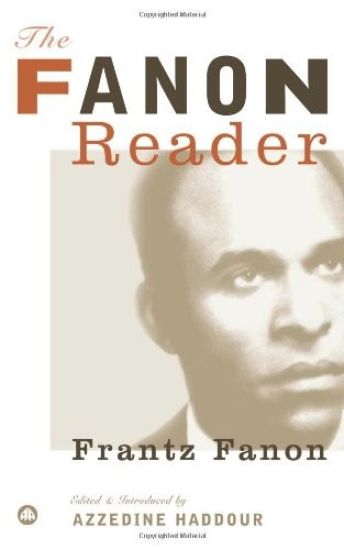
Frantz Fanon is a key figure in postcolonial and cultural studies. Born in 1925 on the French Caribbean island of Martinique, he passionately identified with Algeria's struggle for independence against the French. He became the leading voice in black liberationist writing. With the publication of this book, it is now possible to access all his important writings in one source. The Fanon Reader features extracts from each of Fanon's major works including Black Skin, White Masks, Studies in a Dying Colonialism, Toward the African Revolution and The Wretched of the Earth. It also contextualises Fanon and his work, and provides a comprehensive summary of critical perspectives on his writings. This fully rounded critical introduction to Fanon's work will appeal to students and teachers in postcolonial studies, cultural studies, political theory, psychoanalysis, literary theory, race studies and anyone interested in the life and writings of one of the world's foremost pioneers of black liberation.

Frantz Fanon is a key figure in postcolonial and cultural studies. Born in 1925 on the French Caribbean island of Martinique, he passionately identified with Algeria's struggle for independence against the French. He became the leading voice in black liberationist writing. With the publication of this book, it is now possible to access all his important writings in one source. The Fanon Reader features extracts from each of Fanon's major works including Black Skin, White Masks, Studies in a Dying Colonialism, Toward the African Revolution and The Wretched of the Earth. It also contextualises Fanon and his work, and provides a comprehensive summary of critical perspectives on his writings. This fully rounded critical introduction to Fanon's work will appeal to students and teachers in postcolonial studies, cultural studies, political theory, psychoanalysis, literary theory, race studies and anyone interested in the life and writings of one of the world's foremost pioneers of black liberation.
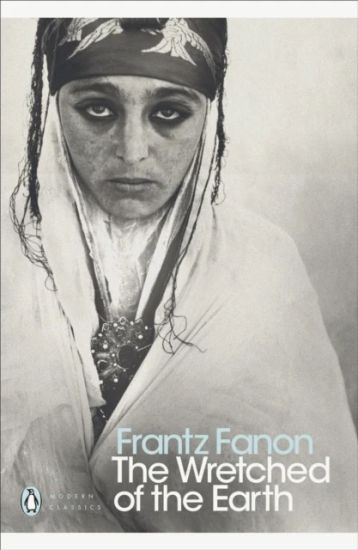
'This century's most compelling theorist of racism and colonialism' Angela DavisWritten at the height of the Algerian war for independence from French colonial rule and first published in 1961, Frantz Fanon's Wretched of the Earth has provided inspiration for anti-colonial movements ever since, analysing the role of class, race, national culture and violence in the struggle for freedom. With power and anger, Fanon makes clear the economic and psychological degradation inflicted by imperialism. It was Fanon, himself a psychotherapist, who exposed the connection between colonial war and mental disease, who showed how the fight for freedom must be combined with building a national culture, and who showed the way ahead, through revolutionary violence, to socialism.'In clear language, in words that can only have been written in the cool heat of rage, he showed us the internal theatre of racism' Deborah Levy

Som få andra texter ger oss Fanons bok atmosfären och idéerna i befrielsens politiska kultur just före avkoloniseringen. Samtidigt hjälper den läsaren att upptäcka att kolonialismens attityder lever kvar, nästan intakta, fastän i metropolen idag, i form av samma tillbakahållna erkännande. "Svart hud, vita masker" är skriven med stor uppriktighet, ofta krånglande, men plötsligt upprymd och poetisk på tidens sätt, i Césaires stil, otroligt vacker och sen komplicerad till vanvett, men hela tiden fängslande. Något kan tilläggas: här ser man varför han var så förutseende då det gäller avkoloniseringen i Afrika. Den noggranna analysen av de förtrycktas tänkesätt och attityder ger honom nycklar till hur det kunde gå, och gick... "I dag, då en andra befrielse är på mångas läppar i Afrika, läses Fanon på nytt. Bättre än någon annan förutsåg han de kommande misstagen. Därför har han alltjämt något viktigt att säga också här." – Anders Ehnmark, Expressen "Det vilar en avgrund mellan denna text och den sortens akademisk pappslöjd som i den angloamerikanska världen förväxlas med politiskt engagemang." – Johan Dahlbäck, GP
A Dying Colonialism
Frantz Fanon
Grove Press / Atlantic Monthly Press
1994
pokkari
Halvin toimitettuna 25,30 €
Frantz Fanon's seminal work on anticolonialism and the fifth year of the Algerian Revolution. Psychiatrist, humanist, revolutionary, Frantz Fanon was one of the great political analysts of our time, the author of such seminal works of modern revolutionary theory as The Wretched of the Earth and Black Skin, White Masks. He has had a profound impact on civil rights, anticolonialism, and black consciousness movements around the world. A Dying Colonialism is Fanon's incisive and illuminating account of how, during the Algerian Revolution, the people of Algeria changed centuries-old cultural patterns and embraced certain ancient cultural practices long derided by their colonialist oppressors as "primitive," in order to destroy those oppressors. Fanon uses the fifth year of the Algerian Revolution as a point of departure for an explication of the inevitable dynamics of colonial oppression. This is a strong, lucid, and militant book; to read it is to understand why Fanon says that for the colonized, "having a gun is the only chance you still have of giving a meaning to your death."
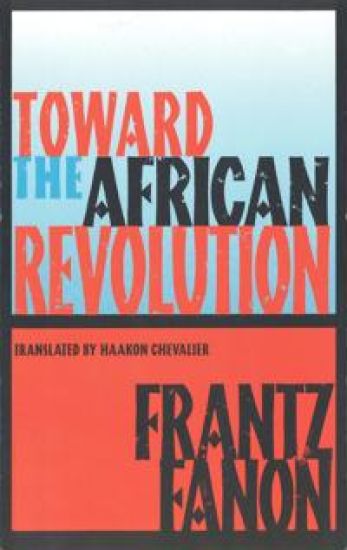
Toward the African Revolution
Frantz Fanon
Grove Press / Atlantic Monthly Press
1994
pokkari
Halvin toimitettuna 19,90 €
This powerful collection of articles, essays, and letters spans the period between Black Skin, White Masks (1952) and The Wretched of the Earth (1961), Fanon’s landmark manifesto on the psychology of the colonized and the means of empowerment necessary for their liberation. These pieces display the genesis of some of Fanon’s greatest ideas ? ideas that became so vital to the leaders of the American civil rights movement.

In this study, Fanon uses psychoanalysis and psychological theory to explain the feelings of dependency and inadequacy that black people experience in a white world. Originally formulated to combat the oppression of black people, Fanon's insights are now being taken up by other oppressed groups - including feminists - and used in their struggle for cultural and political autonomy. Like Marx, Fanon wanted to change the world as well as to describe it. The sustained influence of his writings realizes this ambition.