Kirjojen hintavertailu – 12 859 828 kirjaa ja 27 kauppaa

Kirjailija

Frederick Cowell

Kirjat ja teokset yhdessä paikassa: 4 kirjaa, julkaisuja vuosilta 2021–2025, suosituimpiin kuuluu The Law, Politics and Theory of Treaty Withdrawal. Vertaile teosten hintoja ja tarkista saatavuus suomalaisista kirjakaupoista.

4 kirjaa

Kirjojen julkaisuvuodet: 2021–2025.

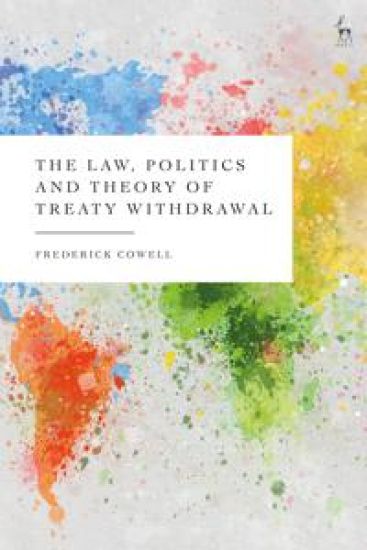
The Law, Politics and Theory of Treaty Withdrawal

The Law, Politics and Theory of Treaty Withdrawal

Frederick Cowell

BLOOMSBURY PUBLISHING PLC
2025
nidottu
This book explores how the law of treaty withdrawal operates. Many commentators have observed a wider sense of crisis in international law as governments of different ideological stripes withdraw or threaten to withdraw from international organisations and treaties. There are different political forces behind all of these cases, but they all use the same basic device in international law – a treaty withdrawal clause. This book focuses on withdrawal clauses within multilateral treaties, providing a detailed overview of their operation, drawing on a range of case studies including Brexit, nuclear weapons treaties and investment arbitration agreements. The obligations a withdrawal clause places on a withdrawing state help regulate the withdrawal process, providing a notional form of stability. Using insights from international relations theory and legal theory, this book unpacks how and why the law of withdrawal operates and what its limitations are.
The Law, Politics and Theory of Treaty Withdrawal
This book explores how the law of treaty withdrawal operates. Many commentators have observed a wider sense of crisis in international law as governments of different ideological stripes withdraw or threaten to withdraw from international organisations and treaties. There are different political forces behind all of these cases, but they all use the same basic device in international law – a treaty withdrawal clause. This book focuses on withdrawal clauses within multilateral treaties, providing a detailed overview of their operation, drawing on a range of case studies including Brexit, nuclear weapons treaties and investment arbitration agreements. The obligations a withdrawal clause places on a withdrawing state help regulate the withdrawal process, providing a notional form of stability. Using insights from international relations theory and legal theory, this book unpacks how and why the law of withdrawal operates and what its limitations are.
Defensive Relativism

Defensive Relativism

Frederick Cowell

UNIVERSITY OF PENNSYLVANIA PRESS
2022
sidottu
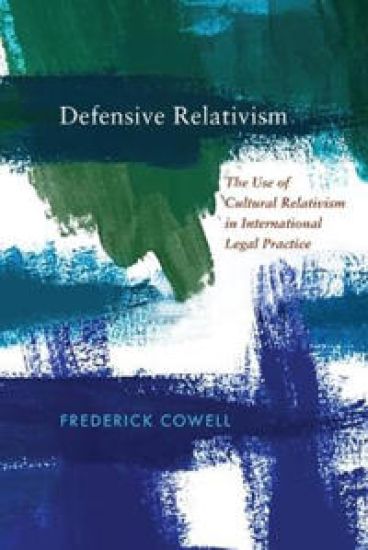
Defensive Relativism describes how governments around the world use cultural relativism in legal argument to oppose international human rights law. Defensive relativist arguments appear in international courts, at the committees established by human rights treaties, and at the United Nations Human Rights Council. The aim of defensive relativist arguments is to exempt a state from having to apply international human rights law, or to stop international human rights law evolving, because it would interfere with cultural traditions the state deems important. It is an everyday occurrence in international human rights law and defensive relativist arguments can be used by various types of states. The end goal of defensive relativism is to allow a state to appear human rights compliant while at the same time not implementing international human rights law. Drawing on a range of materials, such as state reports on the Convention on the Elimination of All Forms of Discrimination Against Women (CEDAW) and cases from the European Court of Human Rights involving freedom of religion, this book provides a definitive survey of defensive relativism. Crucially, Frederick Cowell argues, defensive relativism is not about alternative practices of human rights law, or debates about the origins or legitimacy of human rights as a concept. Defensive relativism is instead a variety of tactical argument used by states to justify ignoring international human rights law. Yet, as Cowell concludes, defensive relativism can't be removed from the law, as it is a reflection of unresolved tensions about the nature of what it means for rights to be universal.