Kirjojen hintavertailu – 12 859 824 kirjaa ja 27 kauppaa
Kirjailija
Frederick Douglass
Kirjat ja teokset yhdessä paikassa: 442 kirjaa, julkaisuja vuosilta 1845–2026, suosituimpiin kuuluu Narrative of the Life of Frederick Douglass. Vertaile teosten hintoja ja tarkista saatavuus suomalaisista kirjakaupoista.
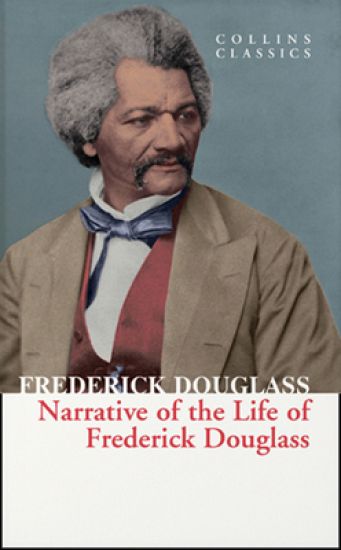
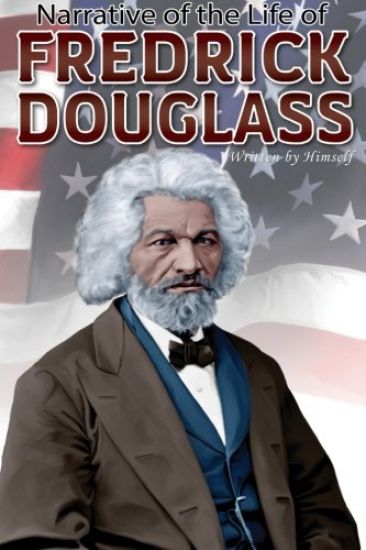
HarperCollins is proud to present its incredible range of best-loved, essential classics. You have seen how a man was made a slave; you shall see how a slave was made a man. Born into slavery during the early nineteenth century, Frederick Douglass escaped to freedom before he was twenty-one years old. From the moment he arrived in New York City, he felt a need to tell his story, one that mirrored so many people still enslaved in the South with no hope of escape. As an orator and preacher, Douglass was an abolitionist, supporter of women’s suffrage and staunch defender of equality for all. In his first autobiographical work, published in 1845, The Narrative of Frederick Douglass describes how he went from slave to a free man.
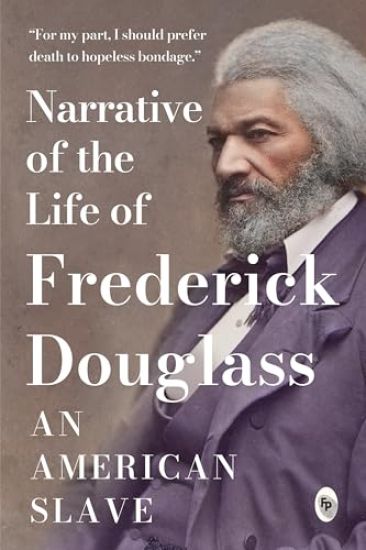
Millaista oli mustan orjan elämä Amerikassa 1800-luvulla? Frederick Douglass kertoo tässä kirjassa omista kokemuksistaan. Douglass syntyi ja kasvoi orjana, mutta onnistui aikuisena pakenemaan vapauteen.
"... I therefore hate the corrupt, slaveholding, women-whipping, cradle-plundering, partial and hypocritical Christianity of the land... I look upon it as the climax of all misnomers, the boldest of all frauds, and the grossest of all libels. Never was there a clearer case of 'stealing the livery of the court of heaven to serve the devil in.' I am filled with unutterable loathing when I contemplate the religious pomp and show, together with the horrible inconsistencies, which every where surround me. We have men-stealers for ministers, women-whippers for missionaries, and cradle-plunderers for church members. The man who wields the blood-clotted cowskin during the week fills the pulpit on Sunday, and claims to be a minister of the meek and lowly Jesus. . . . The slave auctioneer's bell and the church-going bell chime in with each other, and the bitter cries of the heart-broken slave are drowned in the religious shouts of his pious master. Revivals of religion and revivals in the slave-trade go hand in hand together. The slave prison and the church stand near each other. The clanking of fetters and the rattling of chains in the prison, and the pious psalm and solemn prayer in the church, may be heard at the same time. The dealers in the bodies of men erect their stand in the presence of the pulpit, and they mutually help each other. The dealer gives his blood-stained gold to support the pulpit, and the pulpit, in return, covers his infernal business with the garb of Christianity. Here we have religion and robbery the allies of each other---devils dressed in angels' robes, and hell presenting the semblance of paradise." --- Frederick Douglass, Narrative of the Life of Frederick Douglass Narrative of the Life of Frederick Douglass is an 1845 memoir and treatise on abolition written by famous orator and former slave Frederick Douglass. It is generally held to be the most famous of a number of narratives written by former slaves during the same period. In factual detail, the text describes the events of his life and is considered to be one of the most influential pieces of literature to fuel the abolitionist movement of the early 19th century in the United States. Narrative of the Life of Frederick Douglass encompasses eleven chapters that recount Douglass' life as a slave and his ambition to become a free man.
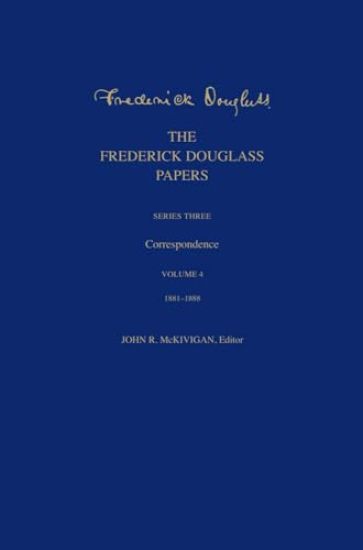
Douglass’s letters from the 1880s reveal both his unrelenting efforts to protect African American rights and little-known details about his personal life The fourth volume of the Correspondence Series presents Frederick Douglass as a still-influential public figure but also as a man aware that the gains African Americans made during the Civil War and Reconstruction were not as well secured as he had hoped. For this volume, the editors selected 247 of the 914 known letters sent to or from Douglass between 1881 and 1888. An active partisan, Douglass corresponded regularly with Republican party leaders from the local to national level about campaign tactics and strategies. Douglass also often received letters from African Americans who detailed the deteriorating state of race relations across the South in the 1880s. Douglass used his correspondence to advance the political stature of Republicans he regarded as most sympathetic to protecting African American rights. Douglass wrote about his taste in reading; his fondness for carriage riding; his feuds with family members and neighbors; his first wife, Anna Murray; and his remarriage, to Helen Pitts, and the controversy that the interracial marriage generated. Douglass’s correspondence details the seven-month honeymoon the couple took in Europe and Egypt, the reunion with old abolitionist friends in Great Britain, and candid appraisals of places he visited and people he met overseas.