Kirjailija
Friedrich Nietzche
Kirjat ja teokset yhdessä paikassa: 20 kirjaa, julkaisuja vuosilta 2006–2021, suosituimpiin kuuluu La Genealogia de la Moral. Vertaile teosten hintoja ja tarkista saatavuus suomalaisista kirjakaupoista.
20 kirjaa
Kirjojen julkaisuvuodet: 2006–2021.

El nacimiento de la tragedia
Friedrich Nietzche
Createspace Independent Publishing Platform
2018
nidottu
Se adivina el lugar en que con estas preguntas quedaba colocado el gran signo de interrogaci n acerca del valor de la existencia. Es el pesimismo, necesariamente, signo de de¬clive, de ruina, de fracaso, de instintos fatigados y debilita¬dos? -
Cómo se filosofa a martillazos
Friedrich Nietzche
Createspace Independent Publishing Platform
2017
nidottu
C mo se filosofa martillazos es unlibro en alem n escrito en 1887 por el fil sofo Friedrich Nietzsche (1844-1900). En idioma espa ol se tradujo con dos nombres: El ocaso de los dolos o c mo se filosofa a martillazos; El crep sculo de los dolos, o c mo se filosofa con el martillo. El libro describe en primer t rmino c mo el rito tanto apol neo y dionisiaco se debaten constantemente en la vida de los seres humanos. As entonces se tiene un primer acercamiento al comportamiento y la anhelada explicaci n de los cl sicos. Sin embargo las cr ticas no se har an esperar y los dolos que hab an presidido el pensamiento de muchos intelectuales europeos durante diecinueve siglos, esta vez se ve an fuertemente cuestionados por Nietzsche.

El Nacimiento De La Tragedia (Spanish Edition)
Friedrich Nietzche
Createspace Independent Publishing Platform
2016
nidottu
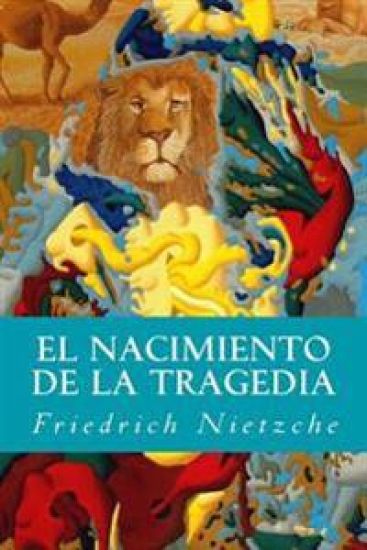
" El nacimiento de la tragedia" (1872) no era sino un tratado erudito para helenistas, Sin embargo, ya desde este su primer libro Friedrich Nietzsche (1844-1900) se propon a realmente exponer las l neas maestras de una nueva concepci n del mundo que ir a perfilando en obras sucesivas y que gira en torno al pensamiento tr gico, la intuici n de la unidad de las cosas, la afirmaci n rec proca de la vida y de la muerte, el eterno retorno y la inocencia del devenir.
El Nacimiento de la Tragedia
Friedrich Nietzche
Createspace Independent Publishing Platform
2016
nidottu
En "El nacimiento de la tragedia griega" de Friedrich Nietzsche se nos presenta una visi n totalmente original de concepciones hasta la poca nunca vistas y o das, a las cuales el fil sofo lleg a trav s de su ardua formaci n intelectual y espiritual en sus a os de juventud. Nietzsche iniciar con este libro la irrupci n de todo un tumulto de concepciones que se hab an mantenido inalterables, sin miedo de exponer a los culpables que en el caso de "El nacimiento de la tragedia" llevar por nombre a S crates, como destructor de todo el goce de la antig edad presocr tica en el que el arte estaba inspirado por Apolo y Dioniso y de este modo dominado por el instinto. Al incluir S crates el car cter racional a la vida, proponi ndolo como necesario para un mejor vivir, se pierde inmediatamente el esp ritu de la tragedia que nos proporcionaba el sentimiento de una unidad necesaria con todos los seres vivos. Su pensamiento nos presenta lo horrible y cruel de la naturaleza, caracterizado por su aspecto dionisiaco pero que necesita de su redenci n en la apariencia que no los brinda el aspecto apol neo. En consecuencia, al darse un instinto de apareamiento en ambas fuerzas divinas, surge la verdadera obra de arte que al tener conciencia de su formaci n, se nos presenta frente a la vida como la verdadera metaf sica, a la cual todos deber an recurrir para hallar un verdadero significado, que no se restringe de conceptos morales y cient ficos.
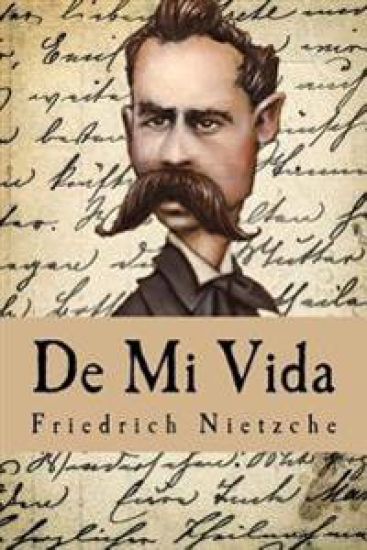
Los textos autobiogr ficos que se re nen en el presente volumen comprenden el per odo de la ni ez, la adolescencia y la poca de estudiante universitario de Friedrich Nietzsche, hasta su acceso a la c tedra de lengua y literatura griega en la Universidad de Basilea, cuando contaba veinticinco a os de edad. De entre la variedad de textos que se ofrecen al lector, destaca la autobiograf a que escribi a los trece a os y que l mismo denominar a su primer libro. Asimismo se incluyen el Diario de la escuela de Pforta y Mirada retrospectiva a mis dos a os de estudiante en Leipzig, texto clave donde Nietzsche narra su encuentro con personajes como Ritschl, la g nesis de sus primeros trabajos filol gicos o su descubrimiento de la filosof a de Schopenhauer. A modo de ap ndice, figuran dos ensayos del pensador en los que ya se esbozan algunos de los temas que, de forma magistral, tratar a en sus obras de madurez.

Also Sprach Zarathustra: German Version
Friedrich Nietzche
Createspace Independent Publishing Platform
2016
nidottu
Im 'Zarathustra' nimmt Nietzsche eine grunds tzliche sprach- und erkenntnistheoretische Reflexion auf seine eigene Philosophie vor, indem er die M glichkeit untersucht, sein Philosophieren zu lehren und als Lehre verbreiten zu k nnen. Die gedankliche Grundbewegung des ganzen Werkes ist die eines Scheiterns im Lehren. Gerade aus diesem Scheitern werden wichtige Grundz ge von Nietzsches philosophischem Denken deutlicher erkennbar. Deshalb wird die Stellung des 'Zarathustra' nur verst ndlich, wenn man sich zumindest den Kerngedanken von Nietzsches Philosophie vor Augen f hrt. Fast alle Themen in dieser Philosophie lassen sich aus der Entgegensetzung von Individualit t und Allgemeinheit verstehen. Die Kritik der Moral geht etwa auf den Gedanken zur ck, dass in einem ethischen Verst ndnis ungleiche Handlungen und Absichten gleichgemacht werden. Darin sieht Nietzsche eine Art von Gewalttat, die auf das Leben in Gesellschaft zur ckgef hrt werden kann, d.h. mit seinem Ausdruck: auf den Menschen als 'Herdentier'. Auf der gleichen gedanklichen Grundlage wird der Staat im Zarathustra als diejenige Institution gedeutet, die den Menschen gleichmacht und seine Individualit t bedroht (vgl. Erster Teil, 11. Rede). hnlich kann Nietzsches Kritik am 'Geist der Rache' gedeutet werden: Voraussetzung der Rache ist, dass eine Tat und eine andere Tat als gleich aufgefasst werden, was sie in Wahrheit nicht sind (vgl. Zweiter Teil, Von den Taranteln). Aber das Problem von Individualit t und Allgemeinheit findet Nietzsche auch im Erkennen und in der Wissenschaft. Es beginnt im Grunde schon beim Bilden von Begriffen, die viele eigentlich ungleiche Dinge, Eigenschaften oder Vorg nge unter einen Begriff zusammenfassen. Solche Begriffe werden in den Wissenschaften verwendet, die zu Erkenntnissen f hren, in denen jenes Gleichmachen durch Begriffe deshalb aufbewahrt ist. F r einen Denker mit einem solchen zentralen Gedanken muss die Vermittlung seiner eigenen Lehre notwendig zu einem Problem werden, denn daf r muss er selbst Begriffe verwenden und zu vielen Menschen auf die gleiche Weise sprechen, die er dadurch als 'gleich' behandelt. Der 'Zarathustra' ist das Buch, in dem sich Nietzsche mit diesem Problem besch ftigt. Am Anfang steht die Entscheidung des einsiedlerischen Protagonisten, seine Weisheit an die Menschen zu 'verschenken und auszuteilen' (Zarathustras Vorrede, Nr. 1). Im weiteren Verlauf begegnet er mannigfaltigen Schwierigkeiten bei dem Versuch, seine Lehre mitzuteilen, d.h. er wird regelm ig missverstanden. Diese Schwierigkeiten bestehen grunds tzlich darin, dass sein Denken als eine 'Lehre' aufgefasst wird, die auf Begriffe gebracht und damit weitergegeben werden kann. Auf diesem 'Lehrweg' nimmt Nietzsche-Zarathustra zahlreiche Themen aus seiner Philosophie auf bzw. entwickelt neue, die alle in den Zusammenhang des Problems des Lehrens eines 'nicht-gleichmachenden' Philosophierens gestellt werden. Am Schluss steht jedoch ein Scheitern des Lehrens, das verst ndlich wird, wenn man das Zentrum von Nietzsches Philosophie ganz verstanden hat. Der Lehrer Nietzsche-Zarathustra muss einsehen, dass er im Lehren anders verstanden wird als geplant, weil er mit anderen Menschen spricht, die als Individuen nicht gleichnamig gemacht werden k nnen, und weil er gleichmachende Begriffe verwenden muss, die insofern stets 'unwahr' sind, weil sie das Individuelle als das Gleiche behandeln.
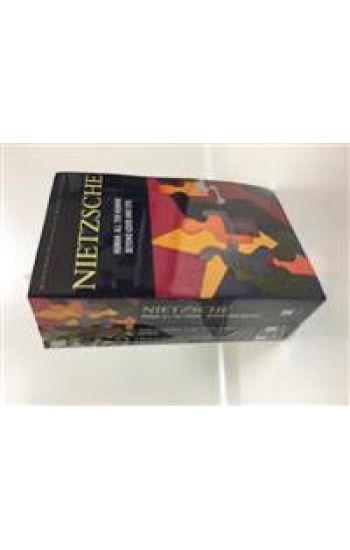
Wordsworth Classics' new 'Best of' series enables you to buy a collection of the key works of the finest authors at an unbeatable price. Friedrich Nietzsche is best known as a 19th century German philosopher and classical philologist, he wrote critical texts on religion, morality, contemporary culture, philosophy and science, displaying a fondness for metaphor, irony and aphorism. Some of his most famous works include: Human, All Too Human; Beyond Good and Evil; Thus Spake Zarathustra; Twilight of the Idols; The Antichrist and Ecce Homo. This collection contains: - Human, All Too Human / Beyond Good and Evil; Thus Spake Zarathustra; Twilight of the Idols with The Antichrist and Ecce Homo
To all Those with Aberrant Brains!: The Complete Works of Freidrich Nietzche
Michelle Hoffmann; Friedrich Nietzche
Createspace Independent Publishing Platform
2015
nidottu
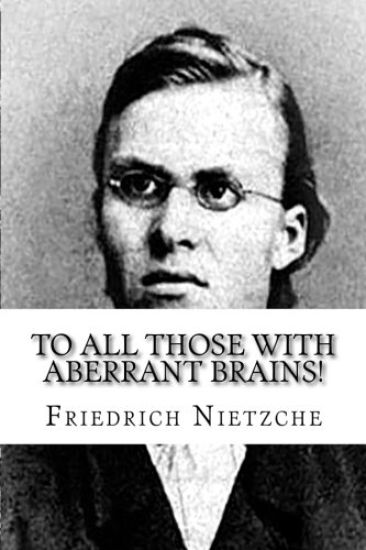
I dream of a combination of men who shall make no concessions, who shall show no consideration, and who shall be willing to be called "destroyers": they apply the standard of their criticism to everything and sacrifice themselves to truth. The bad and the false shall be brought to light We will not build prematurely: we do not know, indeed, whether we shall ever be able to build, or if it would not be better not to build at all. There are lazy pessimists and resigned ones in this world-and it is to their number that we refuse to belong
Beyond Good and Evil
Friedrich Nietzche
Createspace Independent Publishing Platform
2014
nidottu
Halvin toimitettuna 26,20 €
Näköispainos Otavan vuonna 1906 julkaisemasta Aarni Koudan innoittuneesta suomennoksesta, joka sisältää valtaosan Nietzschen alkuteoksen (1889) dityrambeista "ainutkertaisen tulemisen" jumalalle.
The Birth of Tragedy, Seventy-Five Aphorisms & The Anti-Christ
Friedrich Nietzche
Frederick Ellis
2009
sidottu
This vintage book contains Friedrich Nietzsche's seminal work; "Thus Spake Zarathustra". Composed between 1883 and 1885, it is a four-part exploration of some of his ideas, including the "eternal recurrence of the same", the parable on the "death of God", and the "prophecy" of the bermensch. This volume is highly recommended for students of philosophy, and would make for a worthy addition to any bookshelf. Friedrich Wilhelm Nietzsche (1844 - 1900) was a German philosopher, poet, composer, and scholar. He wrote numerous critical essays on morality, culture, philosophy, science, and religion - radically questioning the value and objectivity of truth. Many antiquarian texts such as this, particularly those dating back to the 1900s and before, are increasingly hard to come by and expensive. It is with this in mind that we are republishing this book now in an affordable, modern, high quality edition. It comes complete with a specially commissioned new biography of the author.
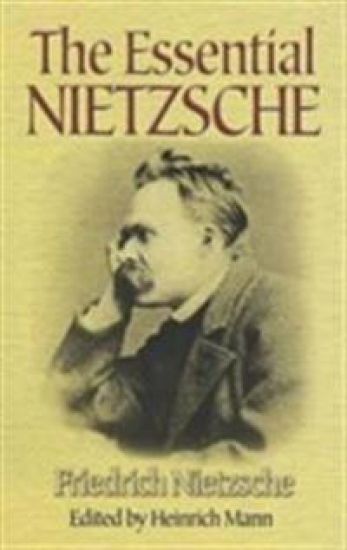
The Essential Nietzsche
Friedrich Nietzche; Karl Marx
Dover Publications Inc.
2006
nidottu
Halvin toimitettuna 14,40 €
A prominent intellectual of the Weimar era, Heinrich Mann was a leading authority on Nietzsche. This volume consists of Mann's selections of highlights from the philosopher's works, along with an introduction that explains their significance to modern readers. Key excerpts from Nietzsche's books include passages from The Birth of Tragedy, Thoughts Out of Season, The Dawn of the Day, The Joyful Wisdom, Thus Spake Zarathustra, Beyond Good and Evil, The Genealogy of Morals, The Case of Wagner, Nietzsche Contra Wagner, The Twilight of the Idols, The Antichrist, Ecce Homo, and The Will to Power. For ease of reference, Mann has arranged the text in sections corresponding to Nietzsche's views on science, philosophy, and truth; his critiques of culture -- the use and abuse of history, Europeans and Germans, Wagner, the genealogy of morals, and nihilism; his concept of the world without God, including the birth of tragedy out of the spirit of music, the true and the apparent world, and eternal recurrence; and his confessions.