Kirjailija
Friedrich Nietzsche
Kirjat ja teokset yhdessä paikassa: 921 kirjaa, julkaisuja vuosilta 1885–2026, suosituimpiin kuuluu Näin puhui Zarathustra. Vertaile teosten hintoja ja tarkista saatavuus suomalaisista kirjakaupoista.
921 kirjaa
Kirjojen julkaisuvuodet: 1885–2026.
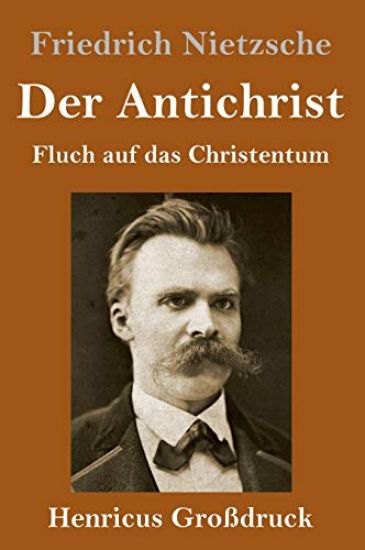
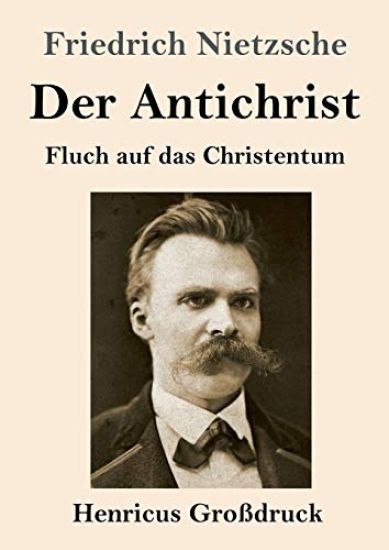
Friedrich Nietzsche: Der Antichrist. Fluch auf das Christentum Lesefreundlicher Gro druck in 16-pt-Schrift Gro format, 210 x 297 mm Berliner Ausgabe, 2019 Durchgesehener Neusatz mit einer Biographie des Autors bearbeitet und eingerichtet von Theodor Borken Abgeschlossen 1888. Erstdruck in: Nietzsches Werke, Band 8, Leipzig (C. G. Naumann) 1889. Textgrundlage ist die Ausgabe: Friedrich Nietzsche: Werke in drei B nden. Herausgegeben von Karl Schlechta. M nchen: Hanser, 1954. Umschlaggestaltung von Thomas Schultz-Overhage unter Verwendung des Bildes: Friedrich Nietzsche, Fotografie von F. Hartmann, um 1875. Gesetzt aus der Minion Pro, 16 pt. Henricus Edition Deutsche Klassik UG (haftungsbeschr nkt)
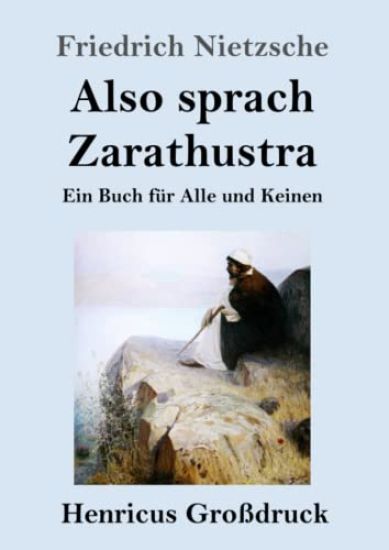
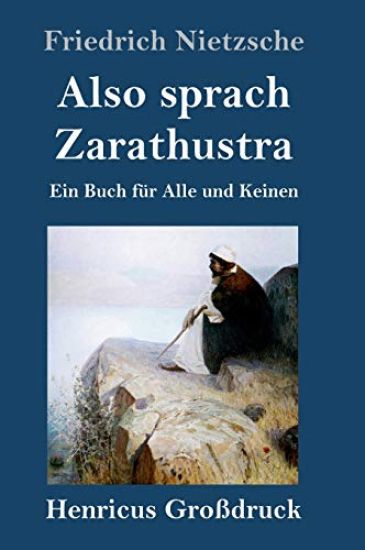
Friedrich Nietzsche: Also sprach Zarathustra. Ein Buch f r Alle und Keinen Lesefreundlicher Gro druck in 16-pt-Schrift Nach zehnj hriger Einsamkeit in den Bergen predigt Zarathustra auf dem Marktplatz den Menschen seine Weisheit vom bermenschen und erntet nichts als Spott und Hohn. Entt uscht wendet er sich ab und begibt sich auf die Suche nach verwandten Geistern. Nietzsche selbst w nschte sich f r sein Hauptwerk Leser, die des gleichen Pathos f hig und w rdig sind. Gro format, 210 x 297 mm Berliner Ausgabe, 2019 Durchgesehener Neusatz mit einer Biographie des Autors bearbeitet und eingerichtet von Theodor Borken Erstdrucke: Chemnitz (E. Schmeitzner) 1883 (1. und 2. Teil); Chemnitz (E. Schmeitzner) 1884 (3. Teil); Leipzig (C. G. Naumann) 1885 (4. Teil, Privatdruck); Leipzig 1892 (1. vollst ndige Ausgabe, herausgegeben von P. Gast, d. i. Heinrich K selitz). Umschlaggestaltung von Thomas Schultz-Overhage unter Verwendung des Bildes: Wassilij Dimitriewitsch Polenow, Meditation auf dem Berg, 1900. Gesetzt aus der Minion Pro, 16 pt. Henricus Edition Deutsche Klassik UG (haftungsbeschr nkt)
Also sprach Zarathustra
Friedrich Nietzsche
Nikol Verlagsges.mbH
2019
sidottu
Halvin toimitettuna 15,70 €
Reproduktion des Originals: Also sprach Zarathustra von Friedrich Nietzsche
In late 1888, a few weeks before his descent into madness, Friedrich Nietzsche set out to compose his life story. Ecce Homo: How One Becomes What One Is remains one of the most remarkable autobiographies ever written, a powerful work of genius in which the German philosopher critiques his own works (and those of others) and weighs in on a plethora of subjects, from vices to vegetarianism.
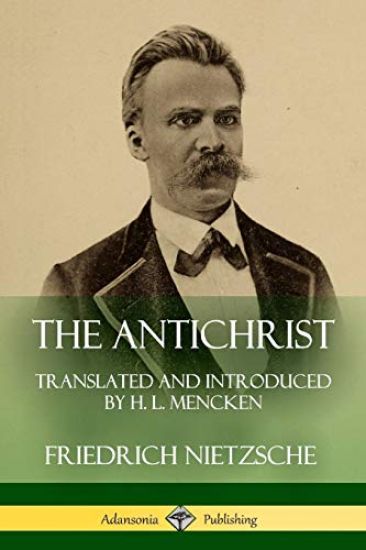
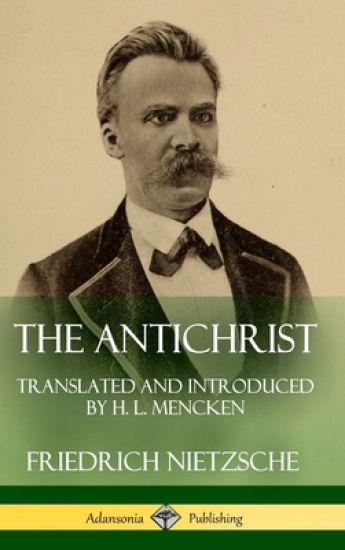
Nietzsche's famous attack upon established Christianity and religion is brought to the reader in this superb edition of The Antichrist, introduced and translated by H. L. Mencken. The incendiary tone throughout The Antichrist separates it from most other well-regarded philosophical texts; even in comparison to Nietzsche's earlier works, the tone of indignation and conviction behind each argument made is evident. There is little lofty ponderousness; the book presents its arguments and points at a blistering pace, placing itself among the most accessible and comprehensive works of philosophy. The Antichrist comprises a total of sixty-two short chapters, each containing a distinct philosophical argument or angle upon the targets of Christianity, organised religion, and those who masquerade as faithful but are in actuality anything but. Pointedly opposed to notions of Christian morality and virtue, Nietzsche vehemently sets out a case for the faith's redundancy and lack of necessity in human life.
Nietzsche's famous attack upon established Christianity and religion is brought to the reader in this superb hardcover edition of The Antichrist, introduced and translated by H. L. Mencken. The incendiary tone throughout The Antichrist separates it from most other well-regarded philosophical texts; even in comparison to Nietzsche's earlier works, the tone of indignation and conviction behind each argument made is evident. There is little lofty ponderousness; the book presents its arguments and points at a blistering pace, placing itself among the most accessible and comprehensive works of philosophy. The Antichrist comprises a total of sixty-two short chapters, each with distinct philosophical arguments or angle upon the targets of Christianity, organised religion, and those who masquerade as faithful but are in actuality anything but. Pointedly opposed to notions of Christian morality and virtue, Nietzsche vehemently sets out a case for the faith's redundancy and lack of necessity in human life.
Twilight of the Idols: Friedrich Nietzsche
Friedrich Nietzsche
Createspace Independent Publishing Platform
2018
nidottu
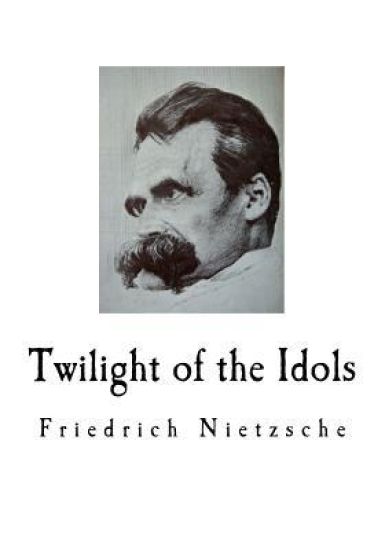
Twilight of the Idols by Friedrich Nietzsche. Twilight of the Idols, or, How to Philosophize with a Hammer is a book by Friedrich Nietzsche, written in 1888, and published in 1889. Twilight of the Idols was written in just over a week, between 26 August and 3 September 1888, while Nietzsche was on holiday in Sils Maria. About life, the wisest men of all ages have come to the same conclusion: it is no good. Always and everywhere one has heard the same sound from their mouths - a sound full of doubt, full of melancholy, full of weariness of life, full of resistance to life. Even Socrates said, as he died: "To live - that means to be sick a long time: I owe Asclepius the Savior a rooster." Even Socrates was tired of life. What does that prove? What does it demonstrate? At one time, one would have said (and it has been said loud enough by our pessimists): "At least something must be true here The consensus of the sages must show us the truth." Shall we still talk like that today? May we? "At least something must be sick here," we retort. These wisest men of all ages - they should first be scrutinized closely. Were they all perhaps shaky on their legs? tottery? decadent? late? Could it be that wisdom appears on earth as a raven, attracted by a little whiff of carrion?
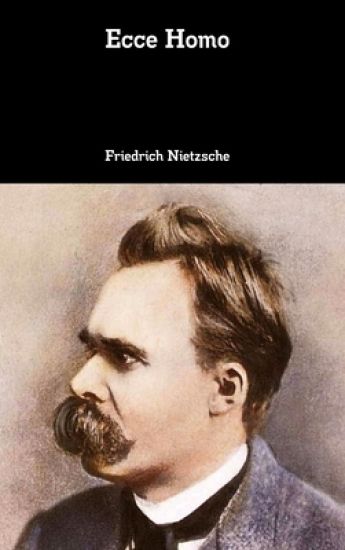
In late 1888, a few weeks before his descent into madness, Friedrich Nietzsche set out to compose his life story. Ecce Homo: How One Becomes What One Is remains one of the most remarkable autobiographies ever written, a powerful work of genius in which the German philosopher critiques his own works (and those of others) and weighs in on a plethora of subjects, from mastering self-control to female sexuality. Seemingly trivial topics are interwoven into passages of complex reasoning on philosophical problems. This most bizarre but fascinating of autobiographies is essential reading for students of Nietzsche and anyone looking for profound insights into life from one of the greatest thinkers of the Western world.
Ecce Homo" es uno de los textos m s personales y provocadores de Friedrich Nietzsche, una obra en la que el fil sofo alem n no solo revisita sus ideas clave, sino que tambi n reflexiona sobre su propia vida y pensamiento con una intensidad poco com n. Con un tono audaz y, a veces, desafiante, Nietzsche presenta un testimonio de su evoluci n intelectual, haciendo un recorrido por sus obras anteriores y dejando entrever el legado que aspira a dejar. Este libro es una invitaci n a adentrarse en la mente de un pensador que desafi todas las normas establecidas. En l, Nietzsche desmonta conceptos tradicionales de moral, verdad y religi n, reafirmando su c lebre declaraci n del "superhombre" y de la voluntad de poder. Adem s, ofrece un vistazo ntimo a su visi n sobre la existencia, el arte y su propio destino como fil sofo incomprendido. Leer Ecce Homo es enfrentarse cara a cara con una escritura apasionada, una cr tica despiadada y una perspectiva que sigue resonando en el pensamiento contempor neo. Para quienes buscan entender los fundamentos del nihilismo y la filosof a nietzscheana, esta obra es el punto de partida ideal. Te animas a explorarlo?