Kirjojen hintavertailu – 12 859 819 kirjaa ja 27 kauppaa

Kirjailija

Friedrich Wilhelm Nietzsche

Kirjat ja teokset yhdessä paikassa: 783 kirjaa, julkaisuja vuosilta 1886–2026, suosituimpiin kuuluu The Antichrist. Vertaile teosten hintoja ja tarkista saatavuus suomalaisista kirjakaupoista.

783 kirjaa

Kirjojen julkaisuvuodet: 1886–2026.

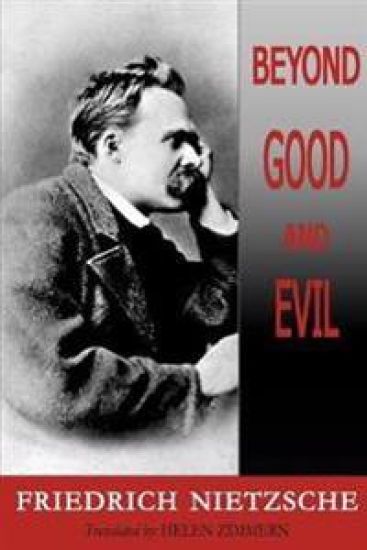
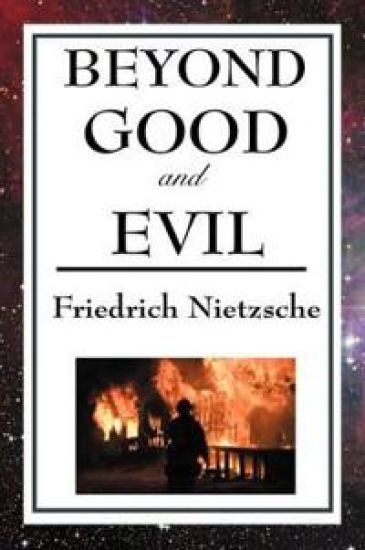
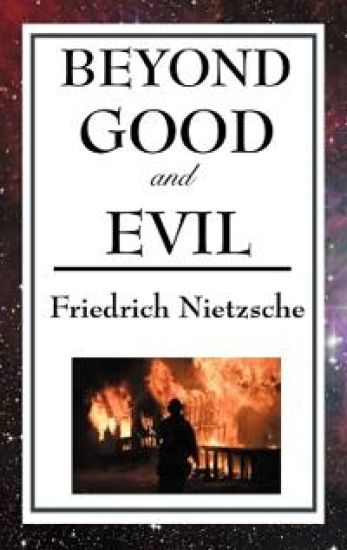
Beyond Good And Evil

Beyond Good And Evil

Friedrich Wilhelm Nietzsche

Iap - Information Age Pub. Inc.
2009
nidottu
This is one of the most important works written by Nietzsche. In this book, the author critiques philosophers for their blind acceptance of Christian teachings.
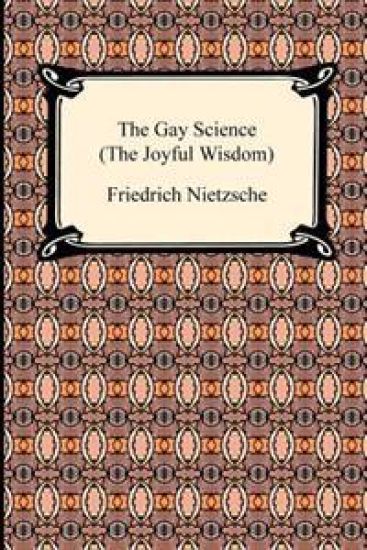
The Gay Science (the Joyful Wisdom)

The Gay Science (the Joyful Wisdom)

Friedrich Wilhelm Nietzsche

Digireads.com
2009
nidottu

Halvin toimitettuna 17,10 €

First published in 1882 and revised in 1887, "The Gay Science (The Joyful Wisdom)" was written at the peak of Nietzsche's intellectual abilities. It includes a large number of poems and an appendix of songs, all written with the intent of encouraging freedom of the mind. While he praises the benefits of science, intellectual discipline, and skepticism, the influence of the Proven al tradition from which he drew is also an enthusiastic affirmation of life. Nietzsche additionally explores the notion of power and the idea of eternal recurrence, though not in a systematic way. Described by the philosopher himself as "perhaps my most personal book," he produced a work that is worthy of attention from anyone with an interest in moral psychology or the most essential themes and views of Nietzsche.
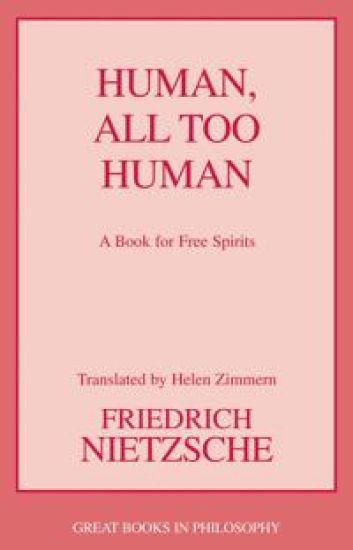
Human, All Too Human

Human, All Too Human

Friedrich Wilhelm Nietzsche

Prometheus Books
2008
nidottu
Human, All Too Human (1878) is often considered the start of Friedrich Nietzsche's mature period. A complex work that explores many themes to which Nietzsche later returned, it marks a significant departure from his previous thinking. Here Nietzsche breaks with his early allegiance to Schopenhauer and Wagner, and establishes the overall framework of his later philosophy. In contrast to his previous disdain for science, now Nietzsche views science as key to undercutting traditional metaphysics. This he sees as a crucial step in the emergence of free spirits who will be the avant-garde of culture. In summing up the crucial change of perspective expressed in Human, All Too Human, Nietzsche used the following words in his later work Ecce Homo:"Human, All Too Human is a memorial of a crisis.... [W]ith this book I liberated myself from that in my nature which did not belong to me. Idealism does not belong to me...realities were altogether lacking in my knowledge, and the 'idealities' were worth damn all! A downright burning thirst seized hold of me: thenceforward I pursued in fact nothing other than physiology, medicine, and natural science." This is an essential work for anyone who wishes to understand Nietzsche's incisive critique of Western culture and values.