Kirjojen hintavertailu – 12 873 322 kirjaa ja 26 kauppaa

Kirjailija

Fumiko Hayashi

Kirjat ja teokset yhdessä paikassa: 11 kirjaa, julkaisuja vuosilta 2006–2026, suosituimpiin kuuluu Kiertolainen. Vertaile teosten hintoja ja tarkista saatavuus suomalaisista kirjakaupoista.

11 kirjaa

Kirjojen julkaisuvuodet: 2006–2026.

Kiertolainen

Kiertolainen

Fumiko Hayashi

Reiwa Suomi Japani Oy
2026
nidottu
Japanilaisen kirjallisuuden klassikko Horoki ilmestyy nyt ensimmäistä kertaa suomeksi nimellä Kiertolainen. Teos kuvaa nuoren naisen elämää vuosisadan alun Japanissa, aikana, jolloin kaupungit kasvoivat ja yhteiskunta muuttui, mutta monen arki oli epävarmaa ja tilapäistä. Fumiko Hayashin omaelämäkerrallinen romaani seuraa naista, joka kulkee kaupungista toiseen, majatalosta seuraavaan, etsien työtä, rakkautta, ruokaa ja paikkaa maailmassa. Hän ei ole sankari, vaan tarkkailija, arkisen elämän kiertolainen, joka havainnoi ympäröivää todellisuutta terävästi ja lämpimästi. Fumiko Hayashi (1903-1951) oli yksi 1900-luvun merkittävimmistä japanilaisista kirjailijoista. Hän nousi tunnetuksi omaelämäkerrallisilla teoksillaan, joissa kuvataan köyhyyttä, naisen asemaa ja elämän arkea vuosisadan alun Japanissa. Hayashin tyyli yhdistää tarkkanäköisyyttä ja runollista herkkyyttä. Kiertolainen on hänen tunnetuin teoksensa ja japanilaisen modernin kirjallisuuden klassikko. Kirjan kääntänyt Antti Valkama tunnetaan muun muassa kehutuista Haruki Murakami käännöksistään. Imo-kustannus on japanilaiseen laatukirjallisuuteen erikoistunut kustantamo.

Shest rasskazov

Shest rasskazov

Fumiko Hayashi

Giperion
2023
sidottu
Japonskaja pisatelnitsa Fumiko Khajasi (1903-1951) khorosho izvestna u sebja na rodine, no pochti neznakoma rossijskomu chitatelju. V detstve ona zhila v krajnej nischete, povzroslev, mnogo let skitalas po strane. Tjagoty ne slomili devushku, ona uporno uchilas, mnogo rabotala i dobilas uspekha - ee pervyj avtobiograficheskij roman "Dnevnik brodjagi" (1930) stal bestsellerom. Za svoju nedolguju zhizn Fumiko Khajasi napisala neskolko romanov, mnozhestvo rasskazov i kinostsenariev, posylala v gazety reportazhi s teatrov voennykh dejstvij v Jugo-Vostochnoj Azii, pobyvala v Kitae i Evrope. Ona poluchila neskolko prestizhnykh premij, ee proizvedenija neodnokratno ekranizirovalis. Posle smerti v dome pisatelnitsy byl otkryt muzej, a v gorode, gde ona provela detstvo, ustanovlen bronzovyj pamjatnik. Predlagaemaja vnimaniju chitatelej kniga vpervye vyshla na russkom jazyke v 1960 g. i s tekh por ni razu ne pereizdavalas. Vkhodjaschie v nee rasskazy dajut naibolee polnoe predstavlenie o tvorchestve pisatelnitsy.
Lausgjengar

Lausgjengar

Fumiko Hayashi

Skald
2021
sidottu
Eg var berre ein liten svart katt, og verda glodde mistruisk på meg og hysja, hysja, hysja på meg. «Lausgjengar» skildrar det turbulente livet til ei ung omstreifande kvinne i Japan på 1920-talet. Ho går frå jobb til jobb, alltid kortvarige, aldri godt betalte. Ho er alltid blakk, opplever vonbrot etter vonbrot, men gir aldri opp. Av lengten - etter mat, ein stad å bu, pengar og kjærleik - skaper forfattaren ein ny og djerv litteratur frå undersida av det japanske samfunnet. Hayashis debutverk kan lesast som eit opprør mot den klassiske japanske dagboktradisjonen, der aristokratiske kvinner skreiv vakre dagbøker fylte av dikt om ulukkeleg kjærleik. Inspirert mellom anna av Knut Hamsuns Sult, skreiv Hayashi med utgangspunkt i sitt eige liv, rått, upolert og direkte, men òg med stor humor og poesi. Då boka kom ut, vart ho straks ein suksess og er i dag eit av dei mest vesentlege verka i Japans litteraturkanon. Skalds klassikarar er ein serie av vellagra, handplukka verk i ny, frisk og nynorsk språkdrakt som skal gi leseglede til folket.
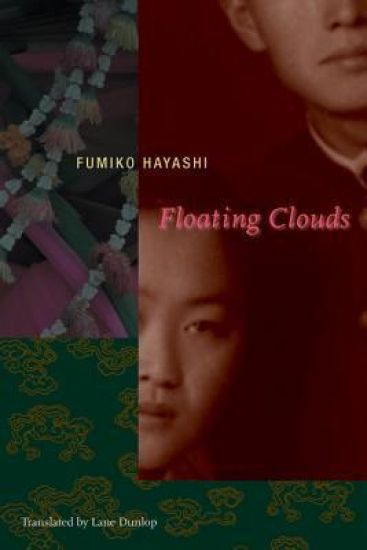
Floating Clouds

Floating Clouds

Fumiko Hayashi

Columbia University Press
2012
pokkari
In this groundbreaking novel, Fumiko Hayashi tells the powerful story of tormented love and one woman's struggle to navigate the cruel realities of postwar Japan. The novel's characters, particularly its resilient heroine Koda Yukiko, find themselves trapped in their own drifting, unable to break out of the morass of indecisiveness. Set in the years during and after World War II, their lives and damaged psyches reflect the confusion of the times in which they live. Floating Clouds follows Yukiko as she moves from the physically lush and beautiful surroundings of Japanese-occupied French Indochina to the desolation and chaos of postwar Japan. Hayashi's spare, affecting novel presents a rare portrait of Japanese colonialism and the harshness of Japan's postwar experience from the perspective of a woman. Its rich cast of characters, drawn from the back alleys of urban Japan and the low rungs of society, offers an unforgettable portrait of Japanese society after the war. The tortured relationship between Yukiko and Tomioka, a minor official with the Department of Agriculture and Forestry, provides the dramatic center of the novel. Yukiko meets Tomioka while working as a typist for the Japanese ministry in Indochina, where they begin their affair. After the war, Tomioka returns to his wife but remains emotionally inscrutable to Yukiko, refusing to break off their relationship. Meanwhile, Yukiko must find her way in a radically changed postwar Japan. When Yukiko and Tomioka's lives once again cross, the two set down a path shaped by their passion and sense of desperation. First published in 1951, Floating Clouds is a classic of modern Japanese literature and was later made into a film by legendary Japanese director Mikio Naruse.
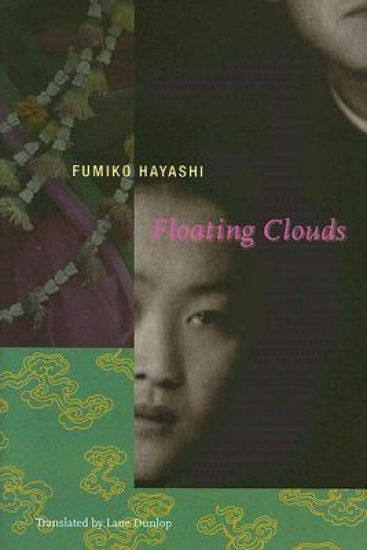
Floating Clouds

Floating Clouds

Fumiko Hayashi

Columbia University Press
2006
sidottu
In this groundbreaking novel, Fumiko Hayashi tells the powerful story of tormented love and one woman's struggle to navigate the cruel realities of postwar Japan. The novel's characters, particularly its resilient heroine Koda Yukiko, find themselves trapped in their own drifting, unable to break out of the morass of indecisiveness. Set in the years during and after World War II, their lives and damaged psyches reflect the confusion of the times in which they live. Floating Clouds follows Yukiko as she moves from the physically lush and beautiful surroundings of Japanese-occupied French Indochina to the desolation and chaos of postwar Japan. Hayashi's spare, affecting novel presents a rare portrait of Japanese colonialism and the harshness of Japan's postwar experience from the perspective of a woman. Its rich cast of characters, drawn from the back alleys of urban Japan and the low rungs of society, offers an unforgettable portrait of Japanese society after the war. The tortured relationship between Yukiko and Tomioka, a minor official with the Department of Agriculture and Forestry, provides the dramatic center of the novel. Yukiko meets Tomioka while working as a typist for the Japanese ministry in Indochina, where they begin their affair. After the war, Tomioka returns to his wife but remains emotionally inscrutable to Yukiko, refusing to break off their relationship. Meanwhile, Yukiko must find her way in a radically changed postwar Japan. When Yukiko and Tomioka's lives once again cross, the two set down a path shaped by their passion and sense of desperation. First published in 1951, Floating Clouds is a classic of modern Japanese literature and was later made into a film by legendary Japanese director Mikio Naruse.
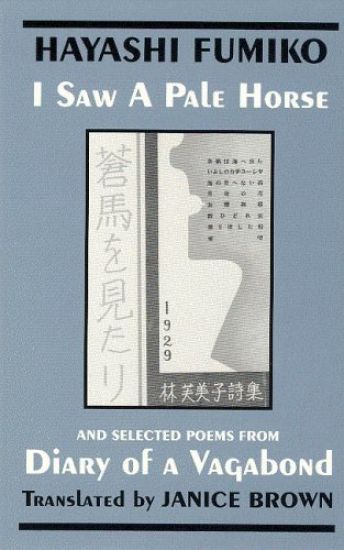
"I Saw a Pale Horse" and Selected Poems from "Diary of a Vagabond"

"I Saw a Pale Horse" and Selected Poems from "Diary of a Vagabond"

Fumiko Hayashi

Cornell University East Asia Program
2011
pokkari
Hayashi Fumiko, one of the most popular prose writers of the Showa era, began writing as a down-and-out poet wandering the streets of 1920s Tokyo. In these translations of her first poetry collection, I Saw a Pale Horse (Aouma wo mitari) and Selected Poems from Diary of a Vagabond (Horoki), Fumiko's literary origins are colorfully revealed. Little known in the west, these early poetic texts focus on Fumiko's unconventional early life, and her construction of a female subject that would challenge, with gusto and panache, accepted notions not only of class, family, and gender but also of female poetic practice.
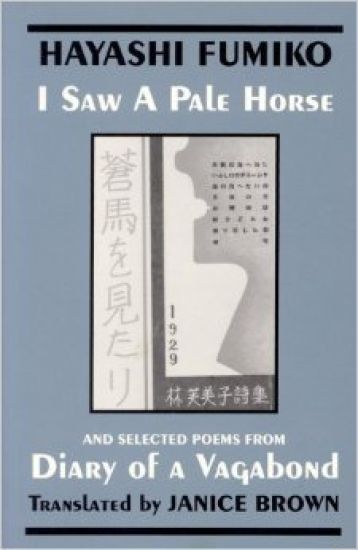
"I Saw a Pale Horse" and Selected Poems from "Diary of a Vagabond"

"I Saw a Pale Horse" and Selected Poems from "Diary of a Vagabond"

Fumiko Hayashi

Cornell University East Asia Program
2010
sidottu
Hayashi Fumiko, one of the most popular prose writers of the Showa era, began writing as a down-and-out poet wandering the streets of 1920s Tokyo. In these translations of her first poetry collection, I Saw a Pale Horse (Aouma wo mitari) and Selected Poems from Diary of a Vagabond (Horoki), Fumiko's literary origins are colorfully revealed. Little known in the west, these early poetic texts focus on Fumiko's unconventional early life, and her construction of a female subject that would challenge, with gusto and panache, accepted notions not only of class, family, and gender but also of female poetic practice.