Kirjailija
Fyodor Sologub
Kirjat ja teokset yhdessä paikassa: 32 kirjaa, julkaisuja vuosilta 1983–2026, suosituimpiin kuuluu Royal Palaces of Spain. Vertaile teosten hintoja ja tarkista saatavuus suomalaisista kirjakaupoista.
32 kirjaa
Kirjojen julkaisuvuodet: 1983–2026.

The Shield
Maksim Gorky; Fyodor Sologub; Avrahm Yarmolinsky
Createspace Independent Publishing Platform
2015
nidottu
Vnimaniju chitatelej predlagaetsja odno iz samykh izvestnykh proizvedenij krupnejshego predstavitelja russkogo simvolizma Fedora Sologuba - roman "Melkij bes". Izdannyj v 1907 godu, roman esche pri zhizni avtora mnogokratno pereizdavalsja i prines emu vserossijskuju slavu. I ne tolko k chitateljam nachala proshlogo veka, no i k chitateljam nyneshnim obraschaetsja avtor: "Net, moi milye sovremenniki, eto o vas ja pisal moj roman... O vas. Etot roman zerkalo, sdelannoe iskusno. Ja shlifoval ego dolgo, rabotaja nad nim userdno. Rovna poverkhnost moego zerkala, i chist ego sostav. Mnogokratno izmerennoe i tschatelno proverennoe, ono ne imeet nikakoj krivizny. Urodlivoe i prekrasnoe otrazhajutsja v nem odinakovo tochno". ""Melkij bes" ostaetsja "satiroj", jadovitym klubkom; eto - magicheskoe zerkalo, oblichajuschee nedostatki, vse ravno kakikh ljudej, vsekh ili pochti vsekh, no oblichajuschee. Strannoe, novoe, esche bez mysli, chuvstvo k Peredonovu vdrug shevelnulos vo mne. Pered ego neschastiem vse uzhasy, tak...
A dark classic of Russia's silver age, this blackly funny novel recounts a schoolteacher's descent into sadism, arson and murder. Mad, lascivious, sadistic and ridiculous, the provincial schoolteacher Peredonov torments his students and has hallucinatory fantasies about acts of savagery and degradation, yet to everyone else he is an upstanding member of society. As he pursues the idea of marrying to gain promotion, he descends into paranoia, sexual perversion, arson, torture and murder. Sologub's anti-hero is one of the great comic monsters of twentieth-century fiction, subsequently lending his name to the brand of sado-masochism known as Peredonovism. The Little Demon (1907) made an immediate star of its author who, refuting suggestions that the work was autobiographical, stated 'No, my dear contemporaries ... it is about you'. This grotesque mirror of a spiritually bankrupt society is arguably the finest Russian novel to have come out of the Symbolist movement. Fyodor Sologub was born in St Petersburg in 1863. His first two novels Bad Dreams (1896) and The Little Demon (1907) were drawn from his own experiences as schoolmaster in a remote provincial town. For many years Sologub could not find a publisher for The Little Demon but when in 1907 the novel was at last published - to immediate and resounding success - he was able to leave his restricting career and devote himself to literature. In 1921 his wife committed suicide and Sologub died a few years later in 1927. Ronald Wilks studied Russian language and literature at Trinity College,Cambridge, after training as a Naval interpreter, and later Russian literature at London University. He has translated many works from Russian for Penguin Classics, including books by Gorky, Gogol, Pushkin, Tolstoy and Chekhov.
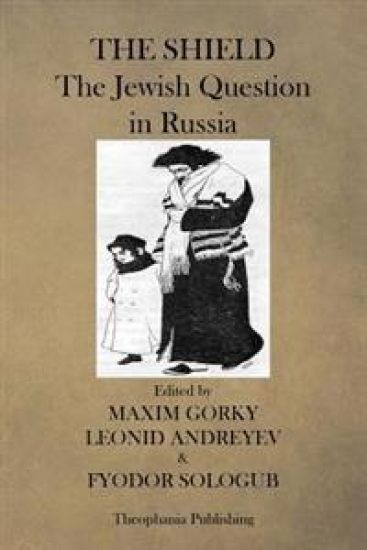
The Shield, The Jewish Question in Russia
Leonid Andreyev; Fyodor Sologub
Createspace Independent Publishing Platform
2012
nidottu
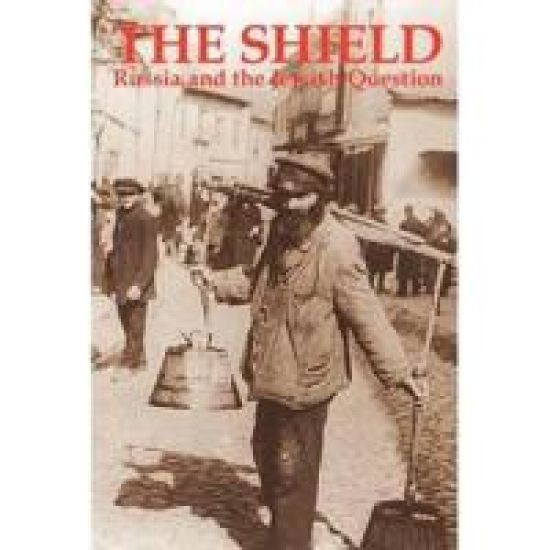
Modern Russian Classics
L. N. Andreyev; Fyodor Sologub; Isaac (INT) Goldberg
Kessinger Pub
2008
pokkari