
Kirjailija
G. A. Bradshaw
Kirjat ja teokset yhdessä paikassa: 6 kirjaa, julkaisuja vuosilta 2010–2026, suosituimpiin kuuluu Talking with Bears. Vertaile teosten hintoja ja tarkista saatavuus suomalaisista kirjakaupoista.
6 kirjaa
Kirjojen julkaisuvuodet: 2010–2026.
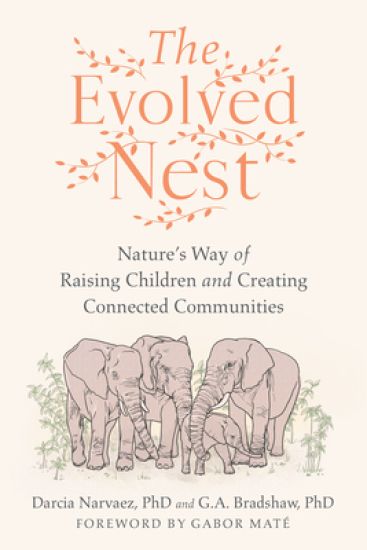
The Evolved Nest
Darcia Narvaez; G. A. Bradshaw
NORTH ATLANTIC BOOKS,U.S.
2023
nidottu
Halvin toimitettuna 22,00 €
A fascinating look into nurturing and parenting in the natural world, supplemented with original illustrations For readers of Becoming Animal and World of Wonders A beautiful resource for Nature advocates, parents-to-be, Animal lovers, and anyone who seeks to restore wellbeing on our planet, The Evolved Nest reconnects us to lessons from the Animal world and shows us how to restore wellness in our families, communities, and lives. Each of 10 chapters explores a different animal's parenting model, sharing species-specific adaptations that allow each to thrive in their "evolved nests." You'll learn: How Wolves build an internal moral compassHow Beavers foster a spirit of play in their childrenHow Octopuses develop emotional and social intelligenceHow, when, and whether (or not) Brown Bears decide to have childrenWhat their lessons can teach you--whether you're a parent, grandparent, caregiver, or childfreePsychologists Drs. Darcia Narvaez and Gay Bradshaw show us how each evolved nest offers inspiration for reexamining our own systems of nurturing, understanding, and caring for our young and each other. Alongside beautiful illustrations, stunning scientific facts, and lessons in neuroscience, psychology, and evolutionary biology, we learn to care deeper: to restore our innate place within the natural world and fight for an ecology of life that supports our flourishing in balance with Nature alongside our human and non-human family.
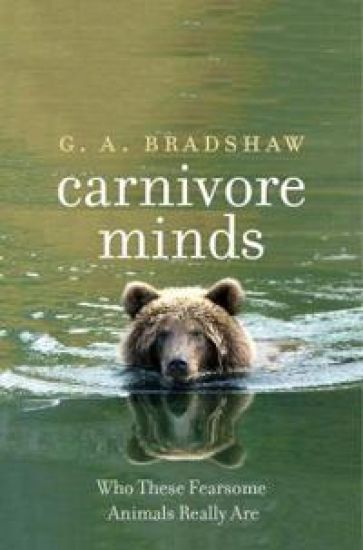
Myth and media typically cast animals we consider predators or carnivores as unthinking killers—dangerous, unpredictable, and devoid of emotion. But is this portrait valid? By exploring their inner lives, this pioneering book refutes the many misperceptions that hide the true nature of these animals. We discover that great white sharks express tender maternal feelings, rattlesnakes make friends, orcas abide by an ancient moral code, and much more. Using the combined lenses of natural history, neuroscience, and psychology, G. A. Bradshaw describes how predators share the rainbow of emotions that humans experience, including psychological trauma. Renowned for leading research on post-traumatic stress disorder (PTSD) in elephants and other species, Bradshaw decries the irrational thinking behind wildlife policies that equate killing carnivores with “conservation.” In its place, she proposes a new, ethical approach to coexistence with the planet’s fiercest animals.
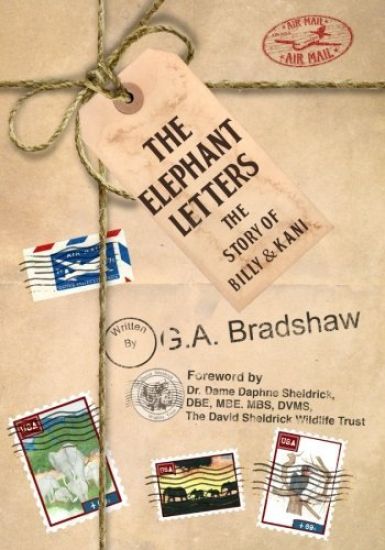
The Elephant Letters tells the moving story of Billy and Kani, two African Elephants. While they were born on the same day, the two young cousins live very different lives. Kani roams the Kenyan savanna with wild Elephant herds, struggling to survive the onslaught of poachers and other humans. His cousin Billy lives in a zoo facing loneliness and hardship after being orphaned and taken from Africa. The cousins' letters to each other over the years provide a unique, inside view of Elephant lives that invites children and adults around the world to learn about Elephants and how they can help save this magnificent species.
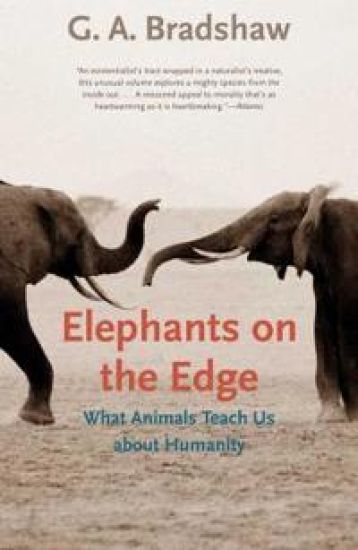
In the tradition of Jane Goodall and Dian Fossey, a renowned animal trauma specialist offers an unusual glimpse into the elephant mind and makes an appeal for new notions of human uniqueness and treatment of animals Drawing on accounts from India to Africa and California to Tennessee, and on research in neuroscience, psychology, and animal behavior, G. A. Bradshaw explores the minds, emotions, and lives of elephants. Wars, starvation, mass culls, poaching, and habitat loss have reduced elephant numbers from more than ten million to a few hundred thousand, leaving orphans bereft of the elders who would normally mentor them. As a consequence, traumatized elephants have become aggressive against people, other animals, and even one another; their behavior is comparable to that of humans who have experienced genocide, other types of violence, and social collapse. By exploring the elephant mind and experience in the wild and in captivity, Bradshaw bears witness to the breakdown of ancient elephant cultures. All is not lost. People are working to save elephants by rescuing orphaned infants and rehabilitating adult zoo and circus elephants, using the same principles psychologists apply in treating humans who have survived trauma. Bradshaw urges us to support these and other models of elephant recovery and to solve pressing social and environmental crises affecting all animals, human or not.