Kirjojen hintavertailu – 12 903 725 kirjaa ja 27 kauppaa

Kirjailija

G. Banham

Kirjat ja teokset yhdessä paikassa: 7 kirjaa, julkaisuja vuosilta 1999–2007, suosituimpiin kuuluu Critique of Pure Reason, Second Edition. Vertaile teosten hintoja ja tarkista saatavuus suomalaisista kirjakaupoista.

7 kirjaa

Kirjojen julkaisuvuodet: 1999–2007.

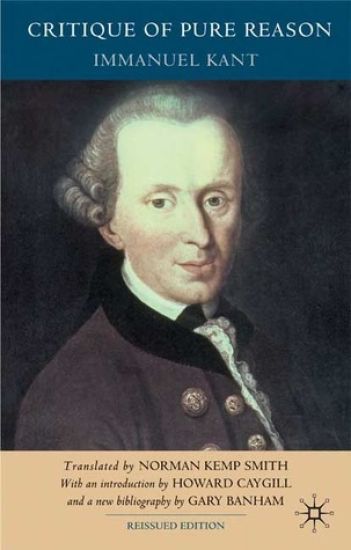
Critique of Pure Reason, Second Edition

Critique of Pure Reason, Second Edition

I. Kant; Howard Caygill; G. Banham; N. Kemp Smith

Palgrave Macmillan
2007
sidottu
Kant's Critique of Pure Reason is one of the most rewarding of all philosophical works. The text follows the second edition of 1787, with a translation of all first edition passages altered or omitted. For this reissue of Kemp Smith's classic 1929 edition, Gary Banham contributes a major new Bibliography of secondary sources on Kant.
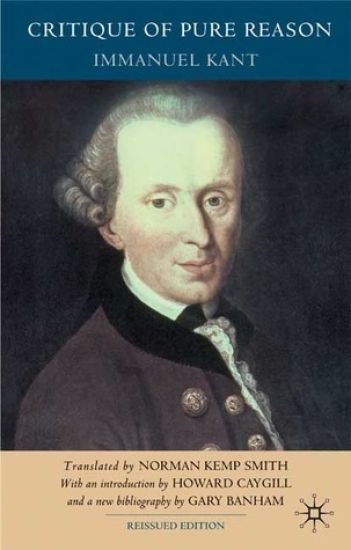
Critique of Pure Reason, Second Edition

Critique of Pure Reason, Second Edition

I. Kant; Howard Caygill; G. Banham; N. Kemp Smith

Palgrave Macmillan
2007
nidottu
Kant's Critique of Pure Reason is one of the most rewarding of all philosophical works. The text follows the second edition of 1787, with a translation of all first edition passages altered or omitted. For this reissue of Kemp Smith's classic 1929 edition, Gary Banham contributes a major new Bibliography of secondary sources on Kant.
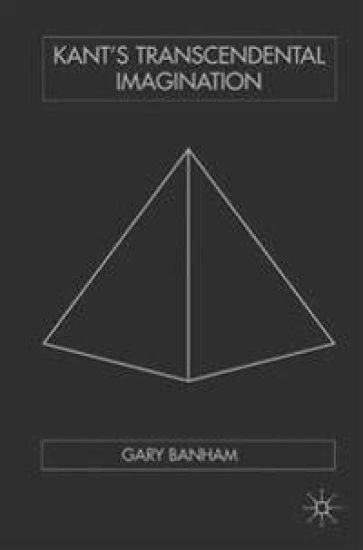
Kant's Transcendental Imagination

Kant's Transcendental Imagination

G. Banham

Palgrave Macmillan
2005
sidottu
The role and place of transcendental psychology in Kant's Critique of Pure Reason has been a source of some contention. The acceptance of the notion of transcendental psychology in recent years has been in connection to functionalist views of the mind which has detracted from its metaphysical significance. This work presents a detailed argument for restoring transcendental psychology to a central place in the interpretation of Kant's Analytic, in the process providing a detailed response to more 'austere' analytic readings.
Kant's Transcendental Imagination

Kant's Transcendental Imagination

G. Banham

Palgrave Macmillan
2005
nidottu
The role and place of transcendental psychology in Kant's Critique of Pure Reason has been a source of some contention. The acceptance of the notion of transcendental psychology in recent years has been in connection to functionalist views of the mind which has detracted from its metaphysical significance. This work presents a detailed argument for restoring transcendental psychology to a central place in the interpretation of Kant's Analytic, in the process providing a detailed response to more 'austere' analytic readings.
Kant’s Practical Philosophy

Kant’s Practical Philosophy

G. Banham

Palgrave Macmillan
2003
sidottu
This work presents Kant as a vital revolutionary thinker, showing that his Practical Philosophy has been marred by views that it is formalist and centred on categorical imperative. Discussing his commitment to the notion of rational religion and his treatment of evil, this important study provides a vivid account of Kant's concerns.
Kant’s Practical Philosophy

Kant’s Practical Philosophy

G. Banham

Palgrave Macmillan
2003
nidottu
This work presents Kant as a vital revolutionary thinker, showing that his Practical Philosophy has been marred by views that it is formalist and centred on categorical imperative. Discussing his commitment to the notion of rational religion and his treatment of evil, this important study provides a vivid account of Kant's concerns.
Kant and the Ends of Aesthetics

Kant and the Ends of Aesthetics

G. Banham

Palgrave Macmillan
1999
sidottu
This work presents a rethinking of Critical Philosophy through the recovery of a larger sense of 'aesthetics' in Kant. It provides an original unitary reading of the Critique of Judgement . This is situated in relation to Kant's attempt to think ends in general. The question of how to think ends is argued to guide Kant both in his treatment of aesthetics and teleology and to provide the rationale for critique itself. This challenging work will set a new standard for engagements with Kant.