Kirjailija
G. R. S. Mead
Kirjat ja teokset yhdessä paikassa: 339 kirjaa, julkaisuja vuosilta 1992–2026, suosituimpiin kuuluu Selections: Essays of G.R.S. Mead. Vertaile teosten hintoja ja tarkista saatavuus suomalaisista kirjakaupoista.
Nimi esiintyy myös muodoissa: G R S Mead, G. R. S Mead, G.R.S Mead
339 kirjaa
Kirjojen julkaisuvuodet: 1992–2026.
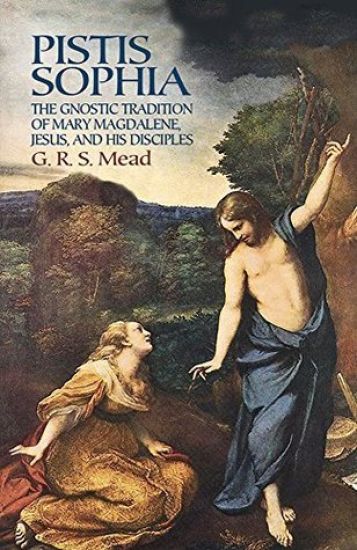
The "Pistis Sophia is unquestionably a document of paramount historical importance, not only in terms of Christianity but also with respect to the development of Western religion. It chronicles the teachings of Jesus, who explains life's mysteries to his disciples and Mary Magdalene. Their discussions take place after Christ's resurrection and include accounts of his ascension into heaven and his return. Using Sophia--a fallen angel who was redeemed--as an example, Jesus explains the process of salvation and redemption, stressing the necessity for repentance, renunciation of the world, and faith.
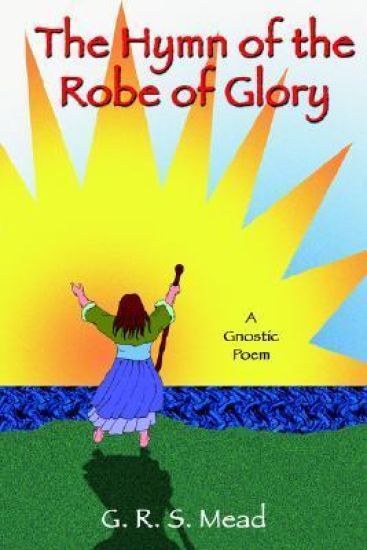
This hymn or poem is an important Gnostic text and should be essential reading for anyone interested in early mystical literature. Also known as "The Hymn of the Pearl," it is an allegorical tale. Instead of an outer journey, as it first seems, it is interpreted here as a deeper, inner one. It contains a message that can be quite profound, depending on the reader's level of spiritual understanding. This book works on the inner psyche, creating an interactive balance, in some cases, between the upper (hidden) and lower (physical) worlds. That was the aim of many Gnostic stories, poems and parables. With that in mind, this book has much to offer.
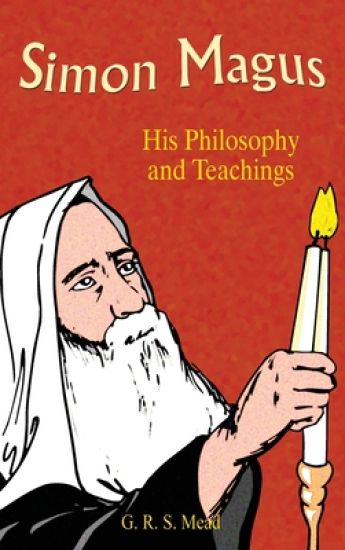
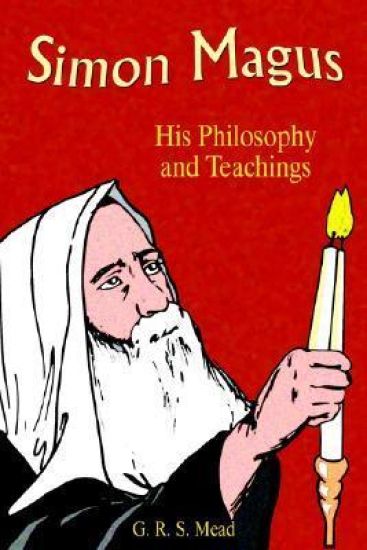
Simon Magus was originally a Christian and disciple of John the Baptist, but broke off and formed the first Christian heresy, called Simonianism. After learning magical medicine in Alexandria he was considered to have many magical skills. To this day, a skilled magician is called a "magus." He also studied Greek philosophers, especially Heraclitus, and became the first Christian to attempt to bridge Greek philosophy and Christianity. If a mixture ever occurred Church leaders feared they would become weaker over time and not survive. According to Mead, this was Simon's great heresy -- not his magic. This interesting book shows Simon Magus to have been a brilliant man who was breaking new ground, both philosophically and spiritually.