Kirjojen hintavertailu – 12 903 725 kirjaa ja 27 kauppaa

Kirjailija

Gabriel P. Weisberg

Kirjat ja teokset yhdessä paikassa: 5 kirjaa, julkaisuja vuosilta 1997–2023, suosituimpiin kuuluu The Triumph of Nature. Vertaile teosten hintoja ja tarkista saatavuus suomalaisista kirjakaupoista.

Nimi esiintyy myös muodoissa: Gabriel P Weisberg

5 kirjaa

Kirjojen julkaisuvuodet: 1997–2023.

The Triumph of Nature

The Triumph of Nature

Lloyd DeWitt; Carolyn Swan Needell; Gabriel P Weisberg

D GILES LTD
2023
sidottu
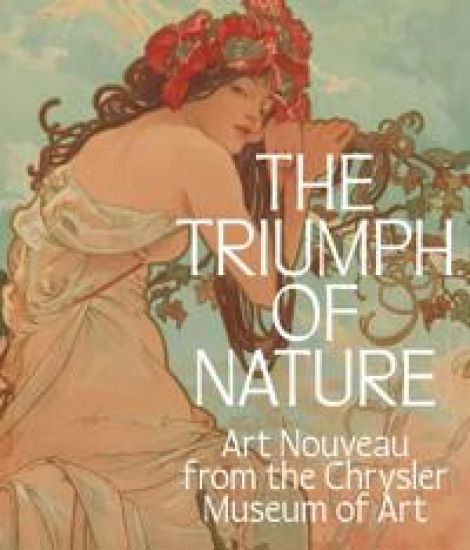
An exuberant, radical style, Art Nouveau blithely trampled many of the Victorian Age's orthodoxies of art and design. Exploding age-old strictures with its fanciful approach to furniture, graphic arts, jewellery, architecture and more, Art Nouveau also embraced new technologies and incorporated foreign stylistic flourishes. It was also unabashedly luxurious and sensual. The Triumph of Nature: Art Nouveau from the Chrysler Museum of Art brings together approximately 120 of the finest Art Nouveau treasures from the uncommonly rich holdings of the Chrysler Museum of Art, drawing primarily from the gifts of Walter P. and Jean Chrysler, whose homes were once the havens for these opulent treasures. Designing for a range of clients and settings including domestic interiors, innovative artists such as de Feure, Majorelle, and Galle fashioned their eclectic works to play off each other in harmonious visual arrangements, conceiving of Art Nouveau as an enveloping style. This stunningly illustrated comprehensive volume gathers a profusion of Art Nouveau works and accessories-furniture, paintings, sculpture, mosaics, books, posters, prints, lamps, glass, and other stunning objets d'art- all of them originally designed and coordinated to complement each other in elaborate ensembles. AUTHORS: Lloyd DeWitt is chief curator and Irene Leache Curator of European Art, Chrysler Museum of Art. Carolyn S. Needell is Barry Curator of Glass, Chrysler Museum of Art. Gabriel P. Weisberg is a leading scholar on Art Nouveau, and on nineteenth-century French art. SELLING POINTS: . Features over 150 beautiful and finely crafted examples of Art Nouveau furniture, decorative arts, and graphic arts, all highlights from a remarkable collection . Collection is exceptional for its quality and breadth . All the major figures of this pivotal artistic movement that thrived from the 1880sthrough the First World War are well represented including Hector Guimard, Emile Galle, Louis Majorelle, Alphonse Mucha and many others 197 colour illustrations
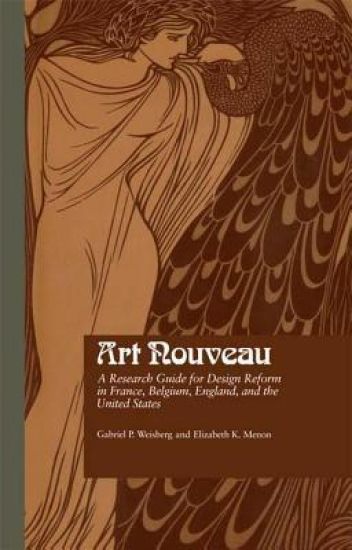
Art Nouveau

Art Nouveau

Gabriel P. Weisberg; Elizabeth K. Menon

Routledge
2016
nidottu
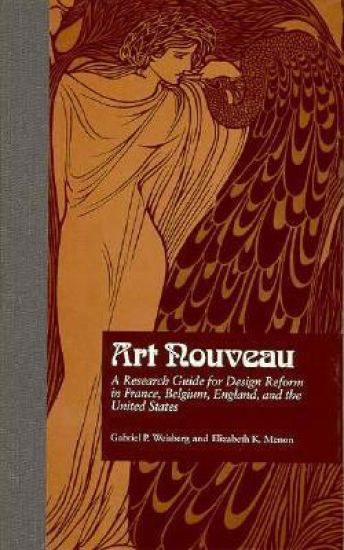
First published in 1998. Design reform in the fields of architecture and the decorative or applied arts became objectified through writings published during the period of 1885 to 1910. This investigation includes, but is not limited to, Art Nouveau in France and Belgium, and the arts and crafts movement in England and the United States. Even though the similar processes of creativity and shared goals of Art Nouveau and the arts and crafts movement have long been recognized, attempts to explore their origins and their points of interrelation with the broader scope of art history have been largely unsuccessful—until now.
Breaking the Mold

Breaking the Mold

Gabriel P. Weisberg

University of Notre Dame, Snite Museum of Art
2012
pokkari
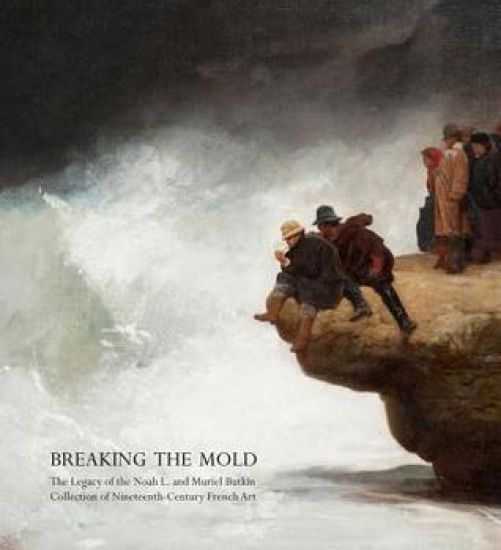
Breaking the Mold insightfully examines the formation and scope of the Noah L. and Muriel S. Butkin collection at the Snite Museum of Art, University of Notre Dame. The Butkins were at the forefront of the art historical reevaluation of realist, naturalist, and academic paintings in the 1970s, championing 19th-century French paintings and drawings by artists as diverse as Francois Bonvin, Theodule Ribot, Antoine Vollon, Leon Lhermitte, Gustave Colin and Georges Vibert. With essays examining how the collection was created and detailed entries on each work, Breaking the Mold presents a timely study of collectors and artists whose contributions deserve much broader attention.
The Symbolism of Paul Gauguin

The Symbolism of Paul Gauguin

Henri Dorra; Richard R. Brettell; Gabriel P. Weisberg

University of California Press
2007
sidottu
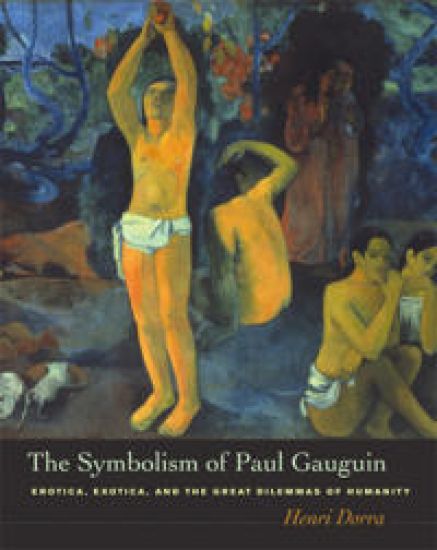
In this magisterial book, Henri Dorra synthesizes more than fifty years of study to present a comprehensive examination of Paul Gauguin's symbolism. Drawing on his profound grasp of the artistic and social contexts in which Gauguin worked, Dorra provides new, complex insights into and interpretations of Gauguin's multilayered symbolism. "The Symbolism of Paul Gauguin" is lavishly illustrated with a major visual compendium of the artist's prodigious output. The highly readable narrative, based on a sophisticated understanding of Gauguin's oeuvre, offers a masterly interpretation of recurrent images and their interrelationships in the contemporaneous artistic and social context. Dorra discusses Gauguin's iconography and the artist's treatments of similar themes in various media, from prepatory drawings for paintings to related ceramics and wood carvings. He traces Gauguin's meanings in literary sources from classical mythology and the Bible to late ninetheenth-century literature. He also links the form and content of the artist's work to his unusual ancestry and upbringing. As the final scholarly work by an internationally recognized expert on nineteenth-century French symbolism, this book provides a profound new perspective on Gauguin and his work.
Art Nouveau

Art Nouveau

Gabriel P. Weisberg; Elizabeth K. Menon

Garland Publishing Inc
1997
sidottu
First published in 1998. Design reform in the fields of architecture and the decorative or applied arts became objectified through writings published during the period of 1885 to 1910. This investigation includes, but is not limited to, Art Nouveau in France and Belgium, and the arts and crafts movement in England and the United States. Even though the similar processes of creativity and shared goals of Art Nouveau and the arts and crafts movement have long been recognized, attempts to explore their origins and their points of interrelation with the broader scope of art history have been largely unsuccessful—until now.