Kirjojen hintavertailu – 12 859 828 kirjaa ja 27 kauppaa
Kirjailija
Gabriele Hrauda
Kirjat ja teokset yhdessä paikassa: 2 kirjaa, julkaisuja vuosilta 2003–2011, suosituimpiin kuuluu Leben mit der Donau. Vertaile teosten hintoja ja tarkista saatavuus suomalaisista kirjakaupoista.
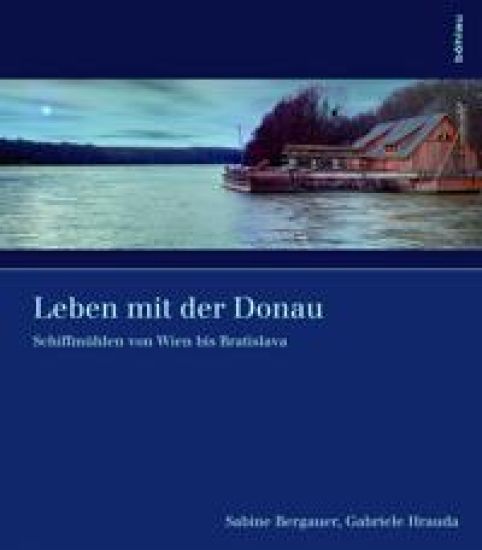
Schiffmuhlen pragten uber Jahrhunderte den Donauraum von Wien bis Bratislava. Sie waren unersetzbar fur die Versorgung der rasch wachsenden Orte und Stadte mit Mehl und anderen Getreideprodukten. Der Umgang mit der frei fliessenden Donau war fur die Schiffmuller eine Notwendigkeit. Es erforderte ein hohes Mass an Fertigkeiten und Flexibilitat, um sich dem Fluss immer wieder aufs Neue anzupassen. Am Ufer des Stromes bildeten sich um die Muhlen Siedlungsgemeinschaften und trugen, wie zum Beispiel in Kaisermuhlen, zur Ortsentwicklung bei. Spannend und informativ begeben sich die beiden Autorinnen auf eine Zeitreise. Ausgehend von der letzten Schiffmuhle in Orth, schildern sie Geschichte, Funktionsweise und das Alltagsleben auf den schwimmenden Muhlen vom fruhen Mittelalter bis heute.
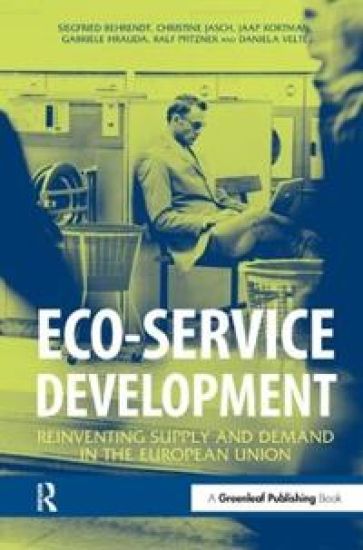
Sustainable development will not be possible without fundamental improvements in resource productivity and energy efficiency, the adaptation of material flows into natural cycles as well as a radical change in production and consumption patterns. In essence, what is required is not only an ecological approach to product design but also new marketing and consumption patterns for products that can satisfy our needs in a more environmentally sound way. In recent years there has been growing interest in the possibilities of eco-services to achieve some of these aims. Ecologically oriented leasing, renting, pooling and sharing, where the emphasis is placed on the sale of a product's use rather than on the product itself, offer great possibilities for innovation and environmental impact reduction. At the same time, there are opportunities to create new commercial enterprises, produce added value to production and distribution functions, and therefore create jobs. Up until now, however, there has been little research about the state of the art in eco-services, how new services can be developed, what the attitudes of consumers are to services rather than products and what the consequences of such a structural adjustment would be for firms. Eco-service Development addresses this lack of research, first by providing a comprehensive inventory and analysis of current eco-services in four European countries: Germany, Austria, the Netherlands and Spain. It then systematically explores the options open to market participants, the potential for environmental impact reduction, potential barriers to eco-services (such as consumer and producer resistance) and, finally, with what political and legal instruments ecologically oriented services can best be promoted. The book analyzes eight consumer sectors – washing, cleaning, cooking, entertainment, gardening, do-it-yourself, mobility and leisure time – from the point of view of both supply and demand and highlights the optimization potential and development perspectives for commercial new use eco-service concepts. This book is the most comprehensive analysis yet published of how eco-services are being implemented and how they could best be encouraged and contains valuable lessons for policy-makers, interested businesses and all those in the academic community searching for ways to dematerialize the economy.