Kirjojen hintavertailu – 12 903 725 kirjaa ja 27 kauppaa
Kirjailija
Gail Kligman
Kirjat ja teokset yhdessä paikassa: 5 kirjaa, julkaisuja vuosilta 1998–2021, suosituimpiin kuuluu The Politics of Duplicity. Vertaile teosten hintoja ja tarkista saatavuus suomalaisista kirjakaupoista.
This title is part of UC Press's Voices Revived program, which commemorates University of California Press’s mission to seek out and cultivate the brightest minds and give them voice, reach, and impact. Drawing on a backlist dating to 1893, Voices Revived makes high-quality, peer-reviewed scholarship accessible once again using print-on-demand technology. This title was originally published in 1988.
This title is part of UC Press's Voices Revived program, which commemorates University of California Press’s mission to seek out and cultivate the brightest minds and give them voice, reach, and impact. Drawing on a backlist dating to 1893, Voices Revived makes high-quality, peer-reviewed scholarship accessible once again using print-on-demand technology. This title was originally published in 1988.
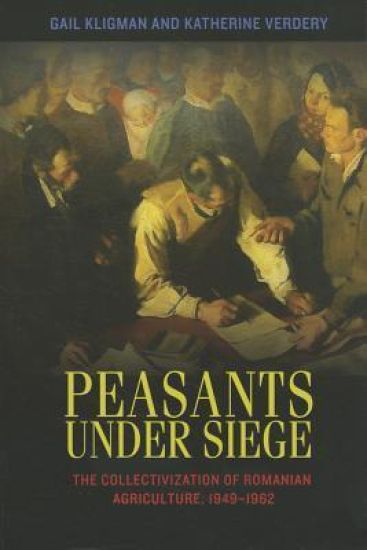
In 1949, Romania's fledgling communist regime unleashed a radical and brutal campaign to collectivize agriculture in this largely agrarian country, following the Soviet model. Peasants under Siege provides the first comprehensive look at the far-reaching social engineering process that ensued. Gail Kligman and Katherine Verdery examine how collectivization assaulted the very foundations of rural life, transforming village communities that were organized around kinship and status hierarchies into segments of large bureaucratic organizations, forged by the language of "class warfare" yet saturated with vindictive personal struggles. Collectivization not only overturned property relations, the authors argue, but was crucial in creating the Party-state that emerged, its mechanisms of rule, and the "new persons" that were its subjects. The book explores how ill-prepared cadres, themselves unconvinced of collectivization's promises, implemented technologies and pedagogies imported from the Soviet Union through actions that contributed to the excessive use of force, which Party leaders were often unable to control. In addition, the authors show how local responses to the Party's initiatives compelled the regime to modify its plans and negotiate outcomes. Drawing on archival documents, oral histories, and ethnographic data, Peasants under Siege sheds new light on collectivization in the Soviet era and on the complex tensions underlying and constraining political authority.
With the collapse of communism, a new world seemed to open for the peoples of East Central Europe. The possibilities this world presented, and the costs it exacted, have been experienced differently by men and women. Susan Gal and Gail Kligman explore these differences through a probing analysis of the role of gender in reshaping politics and social relations since 1989. The authors raise two crucial questions: How are gender relations and ideas about gender shaping political and economic change in the region? And what forms of gender inequality are emerging as a result? The book provides a rich understanding of gender relations and their significance in social and institutional transformations. Gal and Kligman offer a systematic comparison of East Central European gender relations with those of western welfare states, and with the presocialist, bourgeois past. Throughout this essay, the authors attend to historical comparisons as well as cross regional interactions and contrasts. Their work contributes importantly to the study of postsocialism, and to the broader feminist literature that critically examines how states and political-economic processes are gendered, and how states and markets regulate gender relations.
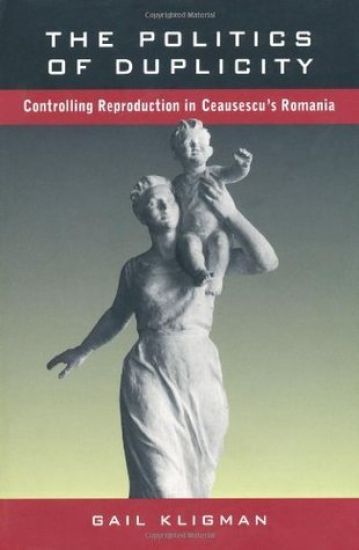
The political hypocrisy and personal horrors of one of the most repressive anti-abortion regimes in history came to the world's attention soon after the fall of Romanian dictator Nicolae Ceausescu. Photographs of orphans with vacant eyes, sad faces, and wasted bodies circled the globe, as did alarming maternal mortality statistics and heart-breaking details of a devastating infant AIDS epidemic. Gail Kligman's chilling ethnography - of the state and of the politics of reproduction - is the first in-depth examination of this extreme case of political intervention into the most intimate aspects of everyday life. Ceausescu's reproductive policies, among which the banning of abortion was central, affected the physical and emotional well-being not only of individual men, women, children, and families but also of society as a whole. Sexuality, intimacy, and fertility control were fraught with fear, which permeated daily life and took a heavy moral toll as lying and dissimulation transformed both individuals and the state. This powerful study is based on moving interviews with women and physicians as well as on documentary and archival material. In addition to discussing the social implications and human costs of restrictive reproductive legislation, Kligman explores the means by which reproductive issues become embedded in national and international agendas. She concludes with a review of the lessons the rest of the world can learn from Romania's tragic experience.