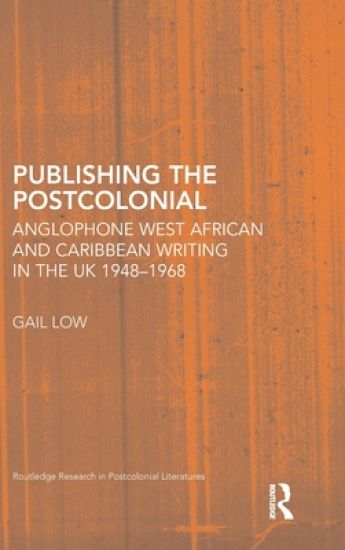
Kirjojen hintavertailu – 12 859 828 kirjaa ja 27 kauppaa

Kirjailija

Gail Low

Kirjat ja teokset yhdessä paikassa: 4 kirjaa, julkaisuja vuosilta 2010–2027, suosituimpiin kuuluu Publishing the Postcolonial. Vertaile teosten hintoja ja tarkista saatavuus suomalaisista kirjakaupoista.

4 kirjaa

Kirjojen julkaisuvuodet: 2010–2027.

The Writing Studio: Making Essays

The Writing Studio: Making Essays

Kirsty Gunn; Gail Low

BLOOMSBURY ACADEMIC
2027
sidottu
This engaging and highly practical workbook introduces students and writers to the creative and critical possibilities of the essay form, inviting them to see it as creative, imaginative and practice-led in content and approach. With most viewing the essay in academia as formulaic, impersonal, strictly linear and arguing a series of points evidenced according to certain rubrics, Kirsty Gunn and Gail Low make a case for the form to be more verb than noun, more activity and process than final arrival. Through practical examples, tips, readings, how-to plans for groups, collaborative exercises, publishing initiatives, network resources and ideas to refresh and energise study, this hybrid workbook-manifesto makes critical work creative, and creative work more probing and enlarging. With exciting implications for subjects from creative writing to areas across the humanities, the book incorporates forays into such disciplines as archival studies and history, visual and fine art, philosophy, presentation and rhetorical study and architecture. Bold and innovative, The Writing Studio is an ethos, an orientation over an instructional manual, using words, language, rhetoric and images to experiment playfully and productively with the essay form. Taking risks and offering surprises, this book chips away at outdated notions of the essay and presses forward with a mode of writing for the modern world.

The Writing Studio: Making Essays

The Writing Studio: Making Essays

Kirsty Gunn; Gail Low

BLOOMSBURY ACADEMIC
2027
nidottu
This engaging and highly practical workbook introduces students and writers to the creative and critical possibilities of the essay form, inviting them to see it as creative, imaginative and practice-led in content and approach. With most viewing the essay in academia as formulaic, impersonal, strictly linear and arguing a series of points evidenced according to certain rubrics, Kirsty Gunn and Gail Low make a case for the form to be more verb than noun, more activity and process than final arrival. Through practical examples, tips, readings, how-to plans for groups, collaborative exercises, publishing initiatives, network resources and ideas to refresh and energise study, this hybrid workbook-manifesto makes critical work creative, and creative work more probing and enlarging. With exciting implications for subjects from creative writing to areas across the humanities, the book incorporates forays into such disciplines as archival studies and history, visual and fine art, philosophy, presentation and rhetorical study and architecture. Bold and innovative, The Writing Studio is an ethos, an orientation over an instructional manual, using words, language, rhetoric and images to experiment playfully and productively with the essay form. Taking risks and offering surprises, this book chips away at outdated notions of the essay and presses forward with a mode of writing for the modern world.
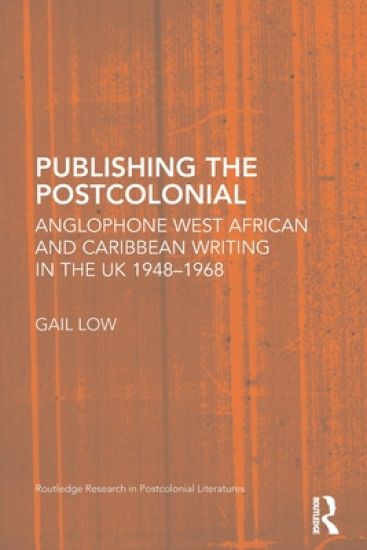
Publishing the Postcolonial
This book explores how writers such as Amos Tutuola, George Lamming, Samuel Selvon, VS Naipaul, Chinua Achebe, Derek Walcott, Kamau Brathwaite, and Wole Soyinka came to be published in London in important educational series such as the Three Crown Series and African Writers Series. Low takes account of recent debates in the discipline of book history, especially issues that deal with social, cultural, and economic questions of authorship, publishing histories, canon formation, and the production, distribution and reception of texts in the literary market place. Searching publishing archives for readers reports, editorial correspondence, and interventions, this book represents a necessary exploration of postwar publishing contexts and the dissemination of texts from London that is crucial to literary histories of the postcolonial book. Taken together as a postwar generation, this cohort of now canonical writers helped "imagine" their respective national communities, yet their intellectual labors entered an elite transnational literary circuit, and correspondingly, were transformed into textual commodities by the economic, social, cultural, and institutional transactions that were part of an expanding print capitalism.