
Kirjojen hintavertailu – 12 859 828 kirjaa ja 27 kauppaa

Kirjailija

Gareth Dwyer

Kirjat ja teokset yhdessä paikassa: 2 kirjaa, julkaisuja vuosilta 2016–2020, suosituimpiin kuuluu The Artificial Intelligence Infrastructure Workshop. Vertaile teosten hintoja ja tarkista saatavuus suomalaisista kirjakaupoista.

2 kirjaa

Kirjojen julkaisuvuodet: 2016–2020.

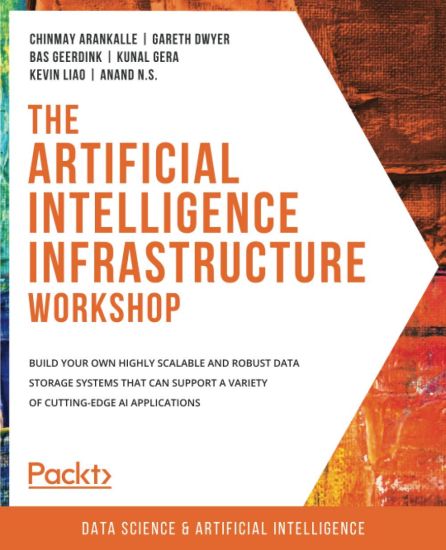
The Artificial Intelligence Infrastructure Workshop

The Artificial Intelligence Infrastructure Workshop

Chinmay Arankalle; Gareth Dwyer; Bas Geerdink; Kunal Gera; Kevin Liao; Anand N.S.

Packt Publishing Limited
2020
nidottu
Explore how a data storage system works – from data ingestion to representationKey FeaturesUnderstand how artificial intelligence, machine learning, and deep learning are different from one anotherDiscover the data storage requirements of different AI apps using case studiesExplore popular data solutions such as Hadoop Distributed File System (HDFS) and Amazon Simple Storage Service (S3)Book DescriptionSocial networking sites see an average of 350 million uploads daily - a quantity impossible for humans to scan and analyze. Only AI can do this job at the required speed, and to leverage an AI application at its full potential, you need an efficient and scalable data storage pipeline. The Artificial Intelligence Infrastructure Workshop will teach you how to build and manage one. The Artificial Intelligence Infrastructure Workshop begins taking you through some real-world applications of AI. You'll explore the layers of a data lake and get to grips with security, scalability, and maintainability. With the help of hands-on exercises, you'll learn how to define the requirements for AI applications in your organization. This AI book will show you how to select a database for your system and run common queries on databases such as MySQL, MongoDB, and Cassandra. You'll also design your own AI trading system to get a feel of the pipeline-based architecture. As you learn to implement a deep Q-learning algorithm to play the CartPole game, you'll gain hands-on experience with PyTorch. Finally, you'll explore ways to run machine learning models in production as part of an AI application. By the end of the book, you'll have learned how to build and deploy your own AI software at scale, using various tools, API frameworks, and serialization methods. What you will learnGet to grips with the fundamentals of artificial intelligenceUnderstand the importance of data storage and architecture in AI applicationsBuild data storage and workflow management systems with open source toolsContainerize your AI applications with tools such as DockerDiscover commonly used data storage solutions and best practices for AI on Amazon Web Services (AWS)Use the AWS CLI and AWS SDK to perform common data tasksWho this book is forIf you are looking to develop the data storage skills needed for machine learning and AI and want to learn AI best practices in data engineering, this workshop is for you. Experienced programmers can use this book to advance their career in AI. Familiarity with programming, along with knowledge of exploratory data analysis and reading and writing files using Python will help you to understand the key concepts covered.
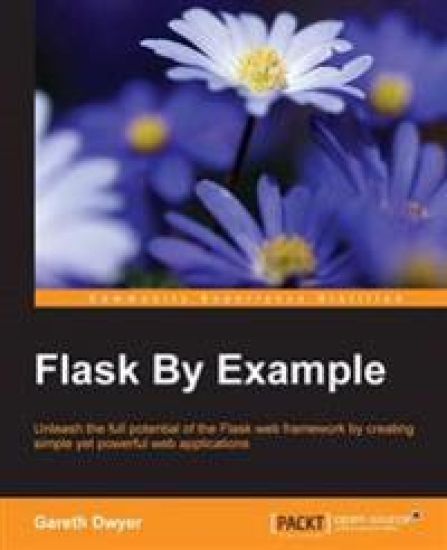
Flask By Example

Flask By Example

Gareth Dwyer

Packt Publishing Limited
2016
nidottu
Unleash the full potential of the Flask web framework by creating simple yet powerful web applications About This Book • The most up-to-date book on Flask on the market • Create your own world-class applications and master the art of Flask by unravelling its enigma through this journey • This step-by-step tutorial is packed with examples on blending different technologies with Flask to get you up and running Who This Book Is For Have you looked at PHP and hated the clunky bloated syntax? Or looked at . Net and wished it was more open and flexible? Maybe you've tried your hand at GUI libraries in Python and found them hard to use? If your answer to any one of these questions is a yes, then this is just the book for you. It is also intended for people who know the basics of Python and want to learn how to use it to build powerful solutions with a web front-end. What You Will Learn • Build three web applications from the ground up using the powerful Python micro framework, Flask. • Dynamically display data to your viewers, based on their requests • Store user and static data in SQL and NoSQL databases and use this data to power your web applications • Create a good user experience by combining HTML, CSS, and JavaScript • Harness the convenience of freely available APIs, including OpenWeatherMap, Open Exchange Rates, and bitly • Extend your applications to build advanced functionality, such as a user account control system using Flask-Login • Learn about web application security and defend against common attacks, such as SQL injection and XSS In Detail This book will take you on a journey from learning about web development using Flask to building fully functional web applications. In the first major project, we develop a dynamic Headlines application that displays the latest news headlines along with up-to-date currency and weather information. In project two, we build a Crime Map application that is backed by a MySQL database, allowing users to submit information on and the location of crimes in order to plot danger zones and other crime trends within an area. In the final project, we combine Flask with more modern technologies, such as Twitter's Bootstrap and the NoSQL database MongoDB, to create a Waiter Caller application that allows restaurant patrons to easily call a waiter to their table. This pragmatic tutorial will keep you engaged as you learn the crux of Flask by working on challenging real-world applications. Style and approach This book will provide you with rich, practical experience of Flask. Every technology, that is employed along with Flask is comprehensively introduced, while the book focusses on developing web applications. Pointers to educational material are always given if you want to gain in-depth knowledge of the various technologies used.