Kirjojen hintavertailu – 12 859 818 kirjaa ja 27 kauppaa
Kirjailija
Gary Barwin
Kirjat ja teokset yhdessä paikassa: 15 kirjaa, julkaisuja vuosilta 1994–2025, suosituimpiin kuuluu Dead Code and Other Dramatic Entertainments. Vertaile teosten hintoja ja tarkista saatavuus suomalaisista kirjakaupoista.
Muttertongue: what is a word in utter space - by Lillian Allen (Toronto's seventh Poet Laureate, a dub poet, writer, and Juno Award winner), Gary Barwin (poet, writer, composer, multimedia artist, performer, and educator), and Gregory Betts (whose writing explores the boundaries between self, other, and alien - the radical other) - is a collaborative collection that crackles in its exploration of land, language, and page space. Combining the intensity of Dub Poetry with the intricacies of experimental poetics, Muttertongue presents a sonorous soundscape echoing with the question of where (and why) is here (hear). The book opens with a dialogue between the three authors, and concludes with an Afterword by Kaie Kellough. The release of the book recedes a new music LP by the three authors (June of 2025). This is a project by the Muttertongue Trio: Allen - Barwin - Betts.
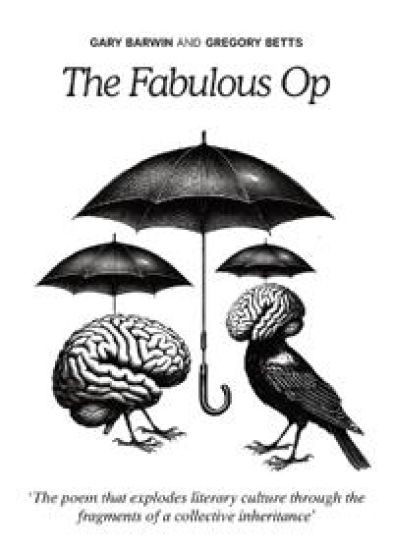
The Fabulous Op is a vibrant, collaborative poem born from a unique experiment: the authors invited their social media followers to share lines of poetry they hold close to heart. Through this fusion of voices, the book explores how the literary canon-like DNA-mutates and evolves, shaped by the lived experiences of those who carry it forward. The result is a sweeping, celebratory journey through poetic history, where fragments of a shared cultural legacy collide and intertwine, revealing how words can transform, disrupt, and reawaken. This work doesn't just reflect literary culture; it revels in its complexity, breathing fresh life into the canon with every line.
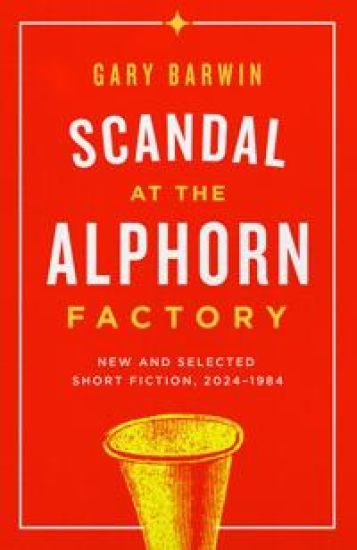
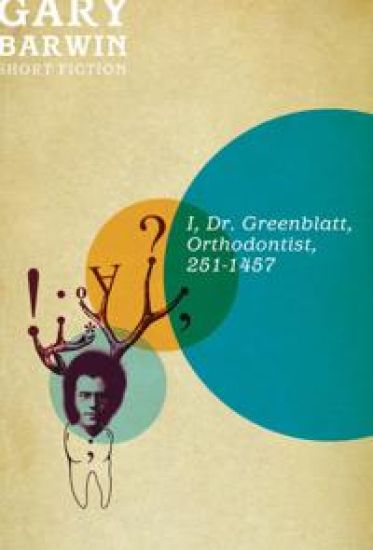
A new collection of stories by Scotiabank Giller Prize finalist Gary Barwin that puts the fab in fabulist. Scandal at the Alphorn Factory: New and Selected Short Fiction, 1984–2024 couples brand new and uncollected stories with selections of the most playful and ambitious of Barwin’s previous collections, including Cruelty to Fabulous Animals, Big Red Baby, Doctor Weep and Other Strange Teeth, and I, Dr. Greenblatt, Orthodontist, 251–1457. Barwin’s prose kicks against short fiction’s more traditional forms: these are pieces that flirt with poetry and playwriting. Whole stories—and worlds—are packed into single compact paragraphs. There are narrators and fleas and lists and imperatives and Hitler’s moustache and radiant happiness. Known as a “whiz-bang storyteller” who can deliver magical, dream-like sequences and truisms about the human condition in the same paragraph, Barwin’s trademark brilliance, wit, and originality are on display in this can’t-miss collection of short fiction.
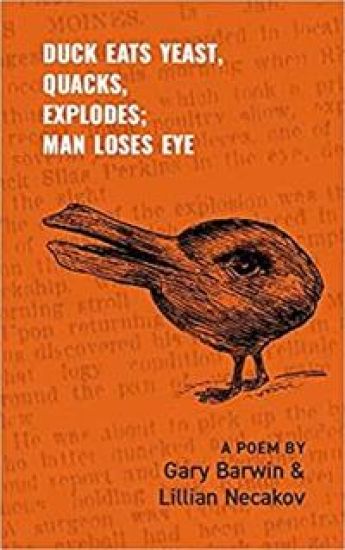
Written as a vibrant discussion between Barwin and Necakov, this book-length poem takes us on a hypnagogic journey that examines many ways of seeing and experiencing the world. Although the work considers many themes, such as trauma, grief, anxiety, climate change, impending doom, war, illness, and cultural fragmentation, at its core, it argues for an unbridled creativity and beauty.
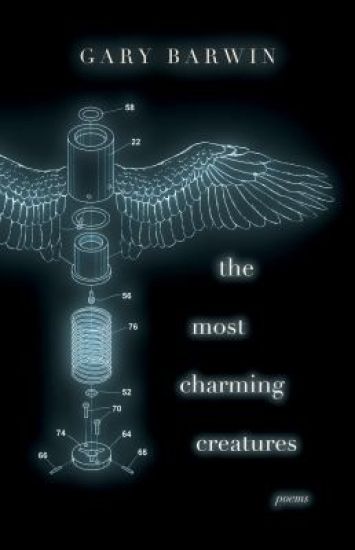
With uncanny wit, inventive beauty, and numinous surprise, The Most Charming Creatures explores the contemporary and its language, considering our wonder, sorrow, bewilderment, anxiety, and tenderness. While these poems energize and connect and "turn the paren- / theses inside out so that / we mean everything," they are also alive to the alluring complicity of language and its duplicity and deceptions. "This is the way the world ends / Not with a bang but / while we watch." A follow-up to the award-winning author's acclaimed selected poems, this new collection continues Barwin's examination of the possibilities of the poem: a celebration, a story, an investigation, a riff, a word machine, a parable, a transformation. But what are the "most charming creatures" of the title? In 1862, scientific illustrator Ernst Haeckel termed radiolarians (ancient single-celled organisms with mineral skeletons) "the most charming creatures," but here Barwin turns the microscope around to consider something just as strange and mysterious: language, our culture, and the self. From microorganisms, onion rings, grief, and Gerard Manley Hopkins to beetles, neoliberalism, sandwiches, Martin Luther, and stand-up comedy, he offers: "it's a miracle that we've survived / it's a miracle that we've survived at all."
A middle-aged Jewish man who fantasizes about being a cowboy goes on an eccentric quest across Europe after the 1941 Nazi invasion of Lithuania in this wild and witty yet heartrending novel from the bestselling author of Yiddish for Pirates, shortlisted for the Scotiabank Giller Prize. Motl is middle-aged, poor, nerdy, Jewish and in desperate need of a shave. Since having his balls shot cleanly off as a youth in WWI, he's lived a quiet life at home in Vilnius with his shrewd and shrewish mom, Gitl, losing himself in the masculine fantasy world of cowboy novels by writers like Karl May--novels equally loved by Hitler, whose troops have just invaded Lithuania and are out to exterminate people like Motl. In his dreams, Motl is a fast-talking, rugged, expert gunslinger capable of dealing with the Nazi threat. But only in his dreams. As friends and neighbours are killed around them, Motl and Gitl escape from Vilnius, saving their own skins. But they immediately risk everything to try rescue relatives they hope are still alive. With death all around him, Motl decides that a Jew's best revenge is not only to live, but to procreate. In order to achieve this, though, he must relocate those most crucial pieces of his anatomy lost to him in a glacier in the Swiss Alps in the previous war. It's an absurd yet life-affirming mission, made even more urgent when he's separated from his mother, and isn't sure whether she's alive or dead. Joining forces, and eventually hearts, with Esther, a Jewish woman whose family has been killed, Motl ventures across Europe, a kaleidoscope of narrow escapes and close encounters with everyone from Himmler, to circus performers, double agents, quislings, fake "Indians" and real ones. Motl at last figures out that he has more connection to the Indigenous characters in western novels than the cowboys. An imaginative and deeply felt exploration of genocide, persecution, colonialism and masculinity--saturated in Gary Barwin's sharp wit and perfect pun-play--Nothing the Same, Everything Haunted: The Ballad of Motl the Cowboy is a one-of-a-kind novel of sheer genius.
A bundle of Laurier Poetry books for course use that includes Fierce Departures (Dionne Brand); Sonosyntactics (Paul Dutton); The More Easily Kept Illusions (Al Purdy); False Laws of Narrative (Fred Wah0; and Sohkeyihta (Louise Bernice Halfe).
At times comic, tender, dark, compassionate, and arrestingly bizarre, Gary Barwin's latest fiction collection marvels at the strangeness, charm, and beauty that is contemporary life in the quantum world. Raging from short story to postcard fiction, Barwin's stories are mysterious, luminous, hilarious, and surprising. A billionaire falls in love with a kitchen appliance, a couple share a pair of legs, a pipeline-size hair is given the Nobel Prize only so that it can be taken away, a father remembers with tenderness, the radiant happiness of his teenage child, trapped inside his body. As the Utne Reader said of his last collection, "what makes them so compelling is Barwin's balance of melancholy with wide-eyed wonder."
what if the rain referred to something else? and bowling and shoes were done with the mouth? Sometimes language, thoughts, and emotions are a fixed structure like a warehouse. Sometimes they are fog, waves, light, or music. This is LSE: Language as a second English. English as a grammar of ghosts. Words as the snowfall of ideas. The Obvious Flap is a musical, poetic flux of recurring and recursive images exploring language's luminous fringes of language. The text weaves a variety of thematic threads of humour, literary allusions, and narrative into a fabric that spreads into an open, proprioceptive linguistic environment. Gary Barwin and Gregory Betts have concocted a collaborative jam session for multiple larynxes and have made an obvious flap as they have fallen through the mirror into Plunderland. not everyone is a poet my dog for instance.
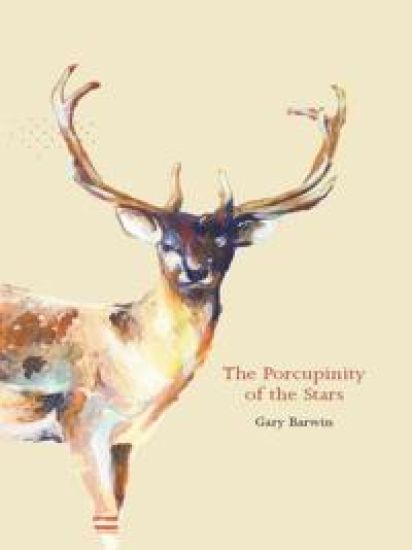
Winner of the 2011 Hamilton Literary Award for Poetry! In this much-anticipated new collection, poet and musician Gary Barwin both continues and extends the alchemical collision of language, imaginative flight and quiet beauty that have made him unique among contemporary poets. As the Utne Reader has noted, what makes this work 'so compelling is Barwin's balance of melancholy with wide-eyed wonder.' The Porcupinity of the Stars sees the always bemused and wistful poet reaching into new and deeper territory, addressing the joys and vagaries of perception in poems touching on family, loss, wonder, and the shifting, often perplexing nature of consciousness. His Heisenbergian sensibility honed to a fine edge, the poems in this bright, bold and intensely visual book add a surreptitious intensity and wry maturity to Barwin's trademark gifts for subtle humour, solemn delight, compassion, and invention.
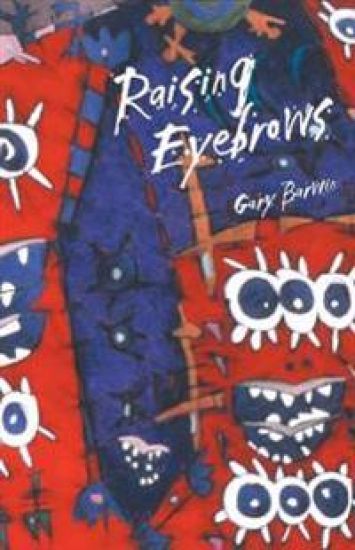
The surrealist antics of Gary Barwin will run the predictability of your universe through a particle accelerator. Watch as your right eyebrow turns into you as a child. Watch Jeff connect the mower to the Internet to cut other people's lawns. Hear the sploosh as Barwin drops some extra syllables in Basho's frog pond. Funny, smart and as unexpected as the Spanish Inquisition, Raising Eyebrows is divided into four mind-boggling sections - dirty dogs, my life in the salad spinner, ukiah poems: frogments from the frag pond, and bassoon throng blues. Raising Eyebrows will make you do just that.
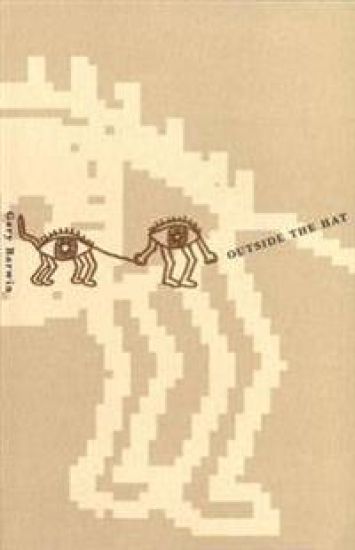
In Outside the Hat lies a landscape of CanaDada and SurRielism, populated by dancing medieval woodcuts, Franglais-speaking dogs, sadistic provincial politicians and melodious bison. Including work culled from a plethora of micro-press chapbooks such as Mike Harris Made Me Eat My Dog, The Irridescent Phlegm of Bagpipers Glorious with Flu, and The Stars Are a Pale Pox on the Sky's Dark Chicken, this is the definitive Gary Barwin collection: stranger than you (can) think.
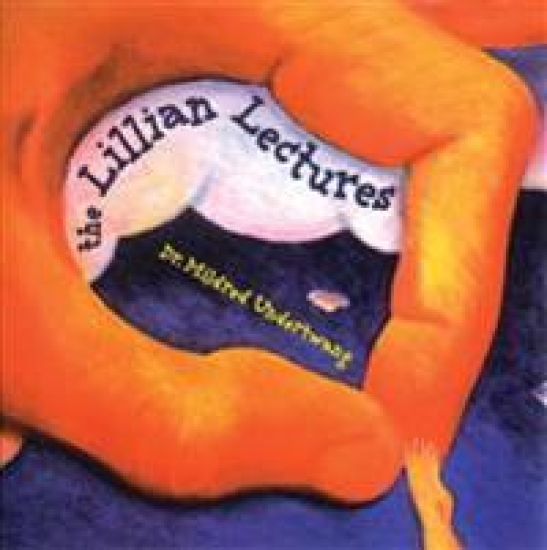
Hide under your bed! Are You There, God? It's Me, Margaret meets South Park in The Lillian Lectures, a collection of short poems and cheerfully nasty illustrations that will turn your universe on its head. Remember how strange you thought sex and God were when you were little? Six-year-old Melanie is weirder and naughtier than you ever were, and now she's passing her wealth of wacky wisdom on to her little sister, Lillian. Your mom would never let you play with them, but you sure would have wanted to; Melanie is the ultimate bad influence.