Kirjojen hintavertailu – 12 903 725 kirjaa ja 27 kauppaa

Kirjailija

Gary Best

Kirjat ja teokset yhdessä paikassa: 8 kirjaa, julkaisuja vuosilta 2004–2021, suosituimpiin kuuluu Silent Invaders. Vertaile teosten hintoja ja tarkista saatavuus suomalaisista kirjakaupoista.

8 kirjaa

Kirjojen julkaisuvuodet: 2004–2021.

Silent Invaders

Silent Invaders

Gary Best

Fonthill Media Ltd
2021
nidottu
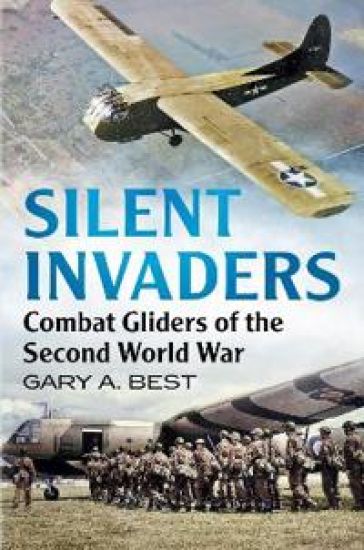
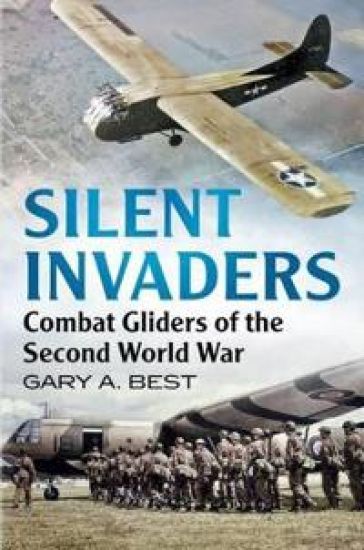
Combat gliders were called by some as Death Crates, Purple Heart Boxes, Flying Coffins and Tow Targets . They were not pretty and had no graceful lines. Viewed from the front, they had a pug nose and a sloping Neanderthal forehead. Their wings looked like the heavily starched ears of a jackrabbit placed at right angles on a canvas-covered frame. Twice the length of the body, these wings were eighty-four feet in length, 70 per cent as long as the Wright Brothers first powered flight at Kitty Hawk. They could not become airborne, let alone fly, unless assisted by an engine-powered tow plane. And for those riding in the back, it was like flying through the gates of hell . The men who were trained and assigned to guide gliders into battle were said to be the only pilots who had no motors, armament, parachutes and no second chances. Like the aircraft they commanded, they were called inglorious names such as The Bastards Nobody Wanted, Glider Gladiators in Wooden Chariots; Hybrid Jackasses and Glory Boys. Beautifully written, profoundly illustrated and researched, Silent Invaders: Combat Gliders of the Second World War is a work that is dedicated to those brave men under impossible odds from the British and American servicemen on D-Day, the doomed Operation Market Garden in Holland and Hitler s radical commando raid to rescue Mussolini."
Harold Laski and American Liberalism
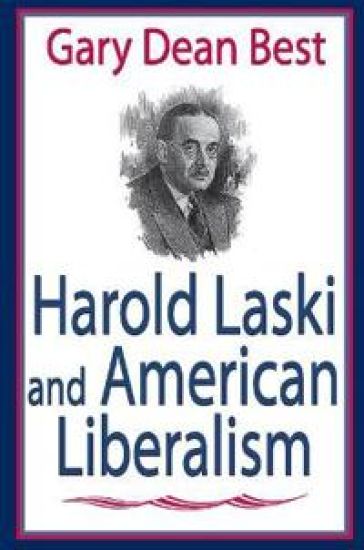
For nearly three decades, the English political scientist Harold Laski was the gray eminence of American liberalism and its most influential Marxist public intellectual. As a fervent proponent of the New Deal in the 1930s, much of Laski's success stemmed from the fact that he offered answers when so many Americans had only questions. By the postwar years, however, his reputation was in decline and his influence left the Democratic Party vulnerable in the1948 elections. In Harold Laski and American Liberalism Gary Dean Best traces the trajectory of Laski's American career and accounts for its ultimate failure. American politics and society were central to Laski's intellectual enterprise. As Best shows, probably no one residing in America has published as many words critical of the United States as did this Englishman. Virtually no aspect of American life went unscathed, and yet at the root of every attack was American capitalism, the businessman, those with property, who, in Laski's view were the source of all the perversion of American life. The 1930s was a period of ferment among America's intellectuals. By the 1940s it was only Laski who was bewildered--at the failure of his diagnoses and the rejection of his prescriptions even by those who had been captivated by him in the previous decade. By the time he died, in 1950, his earlier pronouncements seemed wide of the mark, and the increased stridency and shrillness produced by his disappointment had begun to bore even many who had been devoted to him in earlier years. As this volume shows, the real tragedy for Laski was that he allowed his intellect to be captured and held captive by the Marxian dialectic, denying himself the use of his own reason despite that dialectic's repeated failures. Harold Laski and American Liberalism will be of interest to intellectual historians, political scientists, and American studies specialists.
Gospel's Story

Gospel's Story

Gary Best

New Room Publications
2017
sidottu
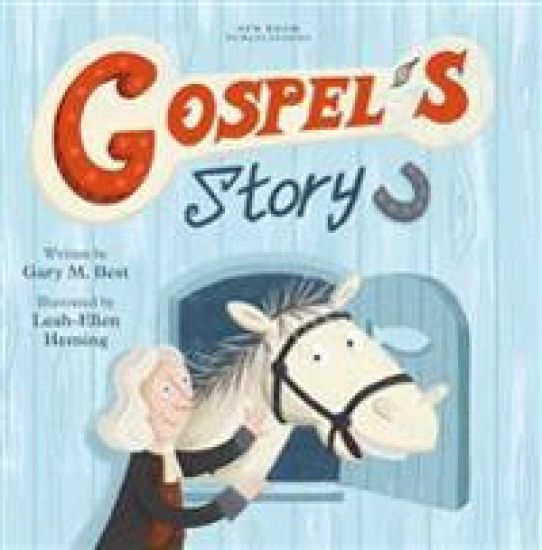
One of the most enduring images of John Wesley, the founder of Methodism, is astride his horse as he travelled the country to spread the word of the gospel. But what about the horse? Methodist historian and Warden of the New Room in Bristol has named the horse Gospel and told the story of Wesley's preaching through Gospel's eye. This children's book (ages3-8) is beautifully illustrated by Leah Heming and tells the story of some of the key places and events in Wesley's mission including his sermon on the beach at St Ives, his hostile reception in Salisbury and the riot that greeted Wesley in Wednesbury, Staffordshire, his visit to Oxford University and Newgate Prison. Gospel's Story is the third title on the new Room Publications imprint of Tangent Books. Other titlesJohn Cennick The Forgotten Evangelist (9781910089477)A Tragedy of Errors: The Story of Grace Murray (9781910089378)
A Tragedy of Errors

A Tragedy of Errors

Gary Best

New Room Publications
2016
nidottu
The story of John Wesley's affair with Grace Murray and how Charles Wesley prevented their marriage by persuading Grace to marry John Bennet, who was one of the key Methodist lay preachers, has long fascinated historians, but most have tended to view John as the victim and been hugely critical of the behaviour and actions of the others involved. Grace has been described as 'impetuous, imperious, and probably a little unstable' and as an 'uneducated, vain, fickle, selfish and presuming' flirt, even though this does not tie in with either John Wesley's or John Bennet's view of her. Bennet has been dismissed as 'a cheat' and 'a treacherous, unfriendly man', even though Charles Wesley, George Whitefield and other contemporaries consistently praised his character. Charles has been accused of over-reacting to gossip and acting out of personal reasons. It has been alleged, for example, that he wanted John to remain single so he could retain the income his own wife required, and that both he and his wife were too snobbish to want to have Grace as their sister-in-law. All these accusations have tended to obscure rather than clarify what really happened because they either ignore or do not pay enough attention to the fact that John Wesley was just as much to blame for what happened. Today, after decades of relative historical neglect, Grace Murray is beginning to receive more recognition as 'a strong-willed, capable and dedicated woman worthy of a distinguished place in the annals of early Methodism'. What emerges from this study is a remarkable woman - a pioneer female class leader and preacher, who, throughout her life, had to come to terms not only with the doubts and fears that can beset Christians at times, but also with the prejudices of her day. Dr Johnson represented those well when he quipped: 'A woman preaching is like a dog walking on its hind legs. It is not done well; but you are surprised to find it done at all.' What comes across most strongly in Grace's writings is her acute awareness of her own failings and her abiding faith in the redemptive love of God. When she knew she was approaching death she wrote to her son:'God did wonders for me all my life. I have been astonished and overwhelmed with a sense of his love to me the chief of sinners, the most unfaithful and unprofitable of all his servants.'Her character makes it all the more understandable why John Wesley was hit so hard by her loss and why he struggled to understand why God had not permitted him to marry her:The main outcome of Grace's marriage to John Bennet has usually been portrayed as being John Wesley's disastrous marriage on the rebound to Molly Vazeille, but of far more significance was the divide her loss created between John and Charles. That had huge and important repercussions on the way in which Methodism was subsequently to develop. After the initial trauma was over both John Wesley and Grace Murray came to believe that it was God who had prevented their marriage. In a more secular age, it seems preferable to explain what happened by looking at the actions of people involved and using the evidence available. This book tries to do exactly that and what emerges is a tragedy of errors for which all the protagonists can be held equally responsible. John Wesley, Grace Murray, John Bennet, and Charles Wesley all did what they did for the best, if at times misguided, motives. Whether the hand of God can also be seen in what happened is left to the reader's judgement.

Gastronomy, Tourism and the Media

Gastronomy, Tourism and the Media

Warwick Frost; Jennifer Laing; Gary Best; Kim Williams; Paul C. Strickland; Clare Lade

Channel View Publications
2016
sidottu
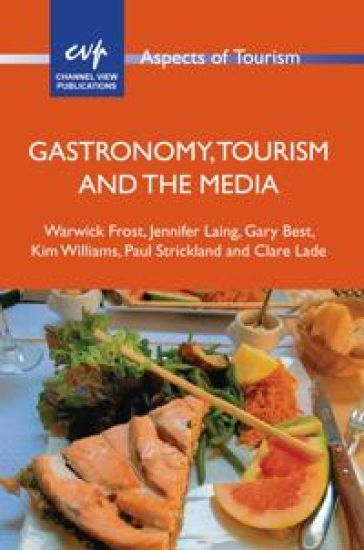
This book examines and analyses the connections between gastronomy, tourism and the media. It argues that in the modern world, gastronomy is increasingly a major component and driver of tourism and that destinations are using their cuisines and food cultures in marketing to increase their competitive advantage. It proposes that these processes are interconnected with film, television, print and social media. The book emphasises the notion of gastronomy as a dynamic concept, in particular how it has recently become more widely used and understood throughout the world. The volume introduces core concepts and delves more deeply into current trends in gastronomy, the forces which shape them and their implications for tourism. The book is multidisciplinary and will appeal to researchers in the fields of gastronomy, hospitality, tourism and media studies.
Gastronomy, Tourism and the Media

Gastronomy, Tourism and the Media

Warwick Frost; Jennifer Laing; Gary Best; Kim Williams; Paul C. Strickland; Clare Lade

Channel View Publications
2016
nidottu
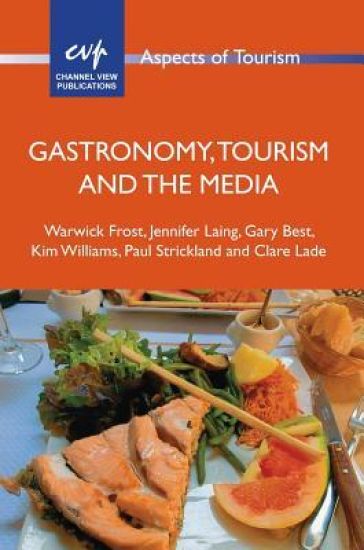
This book examines and analyses the connections between gastronomy, tourism and the media. It argues that in the modern world, gastronomy is increasingly a major component and driver of tourism and that destinations are using their cuisines and food cultures in marketing to increase their competitive advantage. It proposes that these processes are interconnected with film, television, print and social media. The book emphasises the notion of gastronomy as a dynamic concept, in particular how it has recently become more widely used and understood throughout the world. The volume introduces core concepts and delves more deeply into current trends in gastronomy, the forces which shape them and their implications for tourism. The book is multidisciplinary and will appeal to researchers in the fields of gastronomy, hospitality, tourism and media studies.
Silent Invaders

Silent Invaders

Gary Best

Fonthill Media LLc
2014
sidottu
Combat gliders were called by some as Death Crates, Purple Heart Boxes, Flying Coffins and Tow Targets . They were not pretty and had no graceful lines. Viewed from the front, they had a pug nose and a sloping Neanderthal forehead. Their wings looked like the heavily starched ears of a jackrabbit placed at right angles on a canvas-covered frame. Twice the length of the body, these wings were eighty-four feet in length, 70 per cent as long as the Wright Brothers first powered flight at Kitty Hawk. They could not become airborne, let alone fly, unless assisted by an engine-powered tow plane. And for those riding in the back, it was like flying through the gates of hell . The men who were trained and assigned to guide gliders into battle were said to be the only pilots who had no motors, armament, parachutes and no second chances. Like the aircraft they commanded, they were called inglorious names such as The Bastards Nobody Wanted, Glider Gladiators in Wooden Chariots; Hybrid Jackasses and Glory Boys. Beautifully written, profoundly illustrated and researched, Silent Invaders: Combat Gliders of the Second World War is a work that is dedicated to those brave men under impossible odds from the British and American servicemen on D-Day, the doomed Operation Market Garden in Holland and Hitler s radical commando raid to rescue Mussolini."
Harold Laski and American Liberalism

Harold Laski and American Liberalism

Gary Best

Transaction Publishers
2004
sidottu
For nearly three decades, the English political scientist Harold Laski was the gray eminence of American liberalism and its most influential Marxist public intellectual. As a fervent proponent of the New Deal in the 1930s, much of Laski's success stemmed from the fact that he offered answers when so many Americans had only questions. By the postwar years, however, his reputation was in decline and his influence left the Democratic Party vulnerable in the1948 elections. In Harold Laski and American Liberalism Gary Dean Best traces the trajectory of Laski's American career and accounts for its ultimate failure. American politics and society were central to Laski's intellectual enterprise. As Best shows, probably no one residing in America has published as many words critical of the United States as did this Englishman. Virtually no aspect of American life went unscathed, and yet at the root of every attack was American capitalism, the businessman, those with property, who, in Laski's view were the source of all the perversion of American life. The 1930s was a period of ferment among America's intellectuals. By the 1940s it was only Laski who was bewildered--at the failure of his diagnoses and the rejection of his prescriptions even by those who had been captivated by him in the previous decade. By the time he died, in 1950, his earlier pronouncements seemed wide of the mark, and the increased stridency and shrillness produced by his disappointment had begun to bore even many who had been devoted to him in earlier years. As this volume shows, the real tragedy for Laski was that he allowed his intellect to be captured and held captive by the Marxian dialectic, denying himself the use of his own reason despite that dialectic's repeated failures. Harold Laski and American Liberalism will be of interest to intellectual historians, political scientists, and American studies specialists.