Kirjojen hintavertailu – 12 903 725 kirjaa ja 27 kauppaa

Kirjailija

Gary D Rhodes

Kirjat ja teokset yhdessä paikassa: 30 kirjaa, julkaisuja vuosilta 2006–2026, suosituimpiin kuuluu Scripts from the Crypt. Vertaile teosten hintoja ja tarkista saatavuus suomalaisista kirjakaupoista.

Nimi esiintyy myös muodoissa: Gary D. Rhodes

30 kirjaa

Kirjojen julkaisuvuodet: 2006–2026.

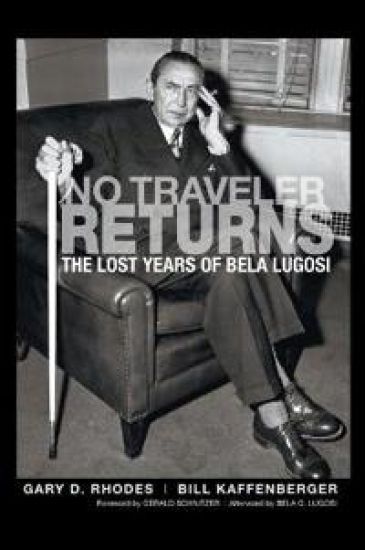
No Traveler Returns

No Traveler Returns

Gary D Rhodes; Bill Kaffenberger; Bela G Lugosi

BearManor Media
2018
sidottu
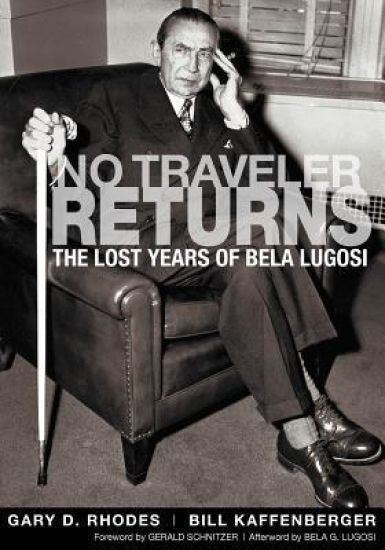
"Gary Rhodes and Bill Kaffenberger have added the final chapter to Bela Lugosi's career, combining fascinating unknown details of his film and stage activities with post-WWII film history. Superbly researched and written as an engrossing story of an actor's struggle against professional decline. A must-read " - Robert Cremer, author of Lugosi: The Man Behind the Cape (Henry Regnery, 1976). "Gary Rhodes represents that elusive Gold Standard in narrative research into the full depth and breadth of Bela Lugosi's complicated career. Rhodes' devotion to the banishment of myth, and to its replacement with frank and humanizing truth, has provided a wealth of historical storytelling that, in turn, renders the actor's known body of work all the more fascinating and comprehensible. Just when I catch myself believing I know all there is to be known about Lugosi -- along comes Gary Rhodes and Bill Kaffenberger with a fresh brace of revelations. The process advances immeasurably in No Traveler Returns: The Lost Years of Bela Lugosi." - Michael H. Price, coauthor of the Forgotten Horrors series. In No Traveler Returns, Bela Lugosi scholar extraordinaire Gary D. Rhodes and Bill Kaffenberger provide a fascinating time travel journey back to the late 1940s/early 1950s, when Lugosi - largely out of favor in Hollywood - embarked on a Gypsy-like existence of vaudeville, summer stock, and magic shows. While many historians have considered this era a limbo in Lugosi's career, with precious few facts unearthed, Rhodes and Kaffenberger take the reader along for a wide-eyed ride as Bela performs in a nightclub so notorious that armed guards keep watch on the roof, dresses as Dracula in a magic show where he and a gorilla (a man in a suit) play football with the guillotined head of a woman (a dummy), and races from one stock engagement to another without ever missing a cue. Never in his American career was Bela so busy, and never did his light shine so brightly as he valiantly troupes to support his family, dominate age and illness, and please his audiences. It's a fastidiously researched education in the show business world of the time - and a stirring tribute to the charm, brilliance and inexhaustible professionalism of the star who was Dracula. - Gregory William Mank, author of Bela Lugosi and Boris Karloff: The Expanded Story of a Haunting Collaboration (McFarland, 2009).
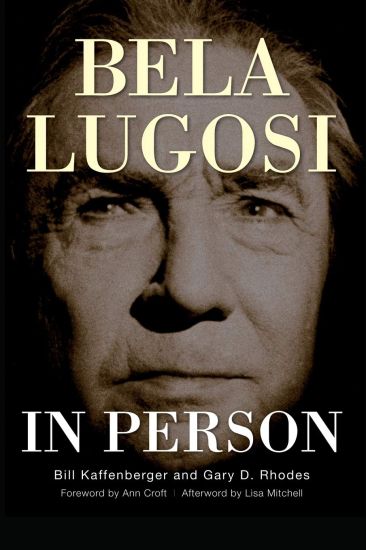
Bela Lugosi in Person (hardback)

Bela Lugosi in Person (hardback)

Bill Kaffenberger; Gary D Rhodes; Ann Croft

BearManor Media
2018
sidottu
The latest in a series of books by researchers extraordinaire Gary D. Rhodes and Bill Kaffenberger, Bela Lugosi in Person brims with new facts, figures, and never-seen photos documenting the actor's scores of live public performances from 1931 to 1945, the era of his greatest fame. Three-act plays, vaudeville sketches, variety shows, and personal appearances are all chronicled at length, bringing new perspective to Lugosi's life and career. Gary Rhodes and Bill Kaffenberger have once again delivered the goods with their latest work Bela Lugosi in Person. They have combined their gift for scholarly research with an entertaining style to unveil fascinating aspects of Lugosi's stage career and the personal dramas that took place behind stage. Chockfull of surprises and new revelations that will delight every reader, but particularly aficionados who know Lugosi, but not "Lugosi in Person." Simply superb. - Robert Cremer, author of Lugosi: The Man Behind the Cape I've been a fan of Bela Lugosi for some six decades. Ironically I'd never heard of the actor until the day in 1956 that he died, when my Mother informed me of his passing. Now I'm also a fan of Gary D. Rhodes and Bill Kaffenberger, a team who, it seems, know - and care - more about the man best known for his role of Count Dracula, and getting the facts about that man accurately recorded, than anyone else on the planet. Rhodes' previous book, Tod Browning's Dracula, and Rhodes and Kaffenberger's No Traveler Returns, are incredibly well-researched and entertaining studies of the actor's career that I could not put down once I began reading them ... and this new tome, written with the same scholarship and style, completes a literary trilogy every Bela Lugosi enthusiast should own and read. Highly recommended - Donald F. Glut, author of The Dracula Book and The Empire Strikes Back novelization. I witnessed the intensity of my father, Bela Lugosi, firsthand. But I did not at the time realize how unique the experience was. His personal magnetism has survived in people's memories and in our culture. This is evidenced by the desire of so many people wanting to connect to Dad by connecting to me - at conventions, on the street and anywhere they hear the name "Bela Lugosi." It was Dad's elegance and captivating personality that made Count Dracula such an alluring yet horrific figure, so I can imagine the draw my father must have created when he was to appear in person - and the effect he must have had on a live audience. I am grateful that Gary Rhodes and Bill Kaffenberger's new book shines a light on Dad's personal appearances, a previously uncovered facet of his career and legacy. - Bela G. Lugosi
The Birth of the American Horror Film

The Birth of the American Horror Film

Gary D. Rhodes

Edinburgh University Press
2018
sidottu
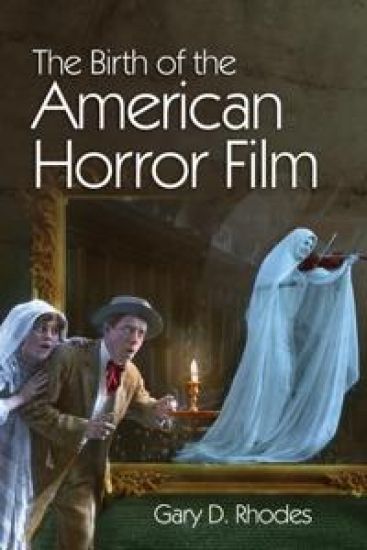
Explains how the American horror movie came into existenceAlthough early cinema has long been a key area of research in film studies, the origin and development of the horror film has been a neglected subject for what is arguably one of the world's most popular film genres. Using thousands of primary sources and long-unseen illustrations, 'The Birth of the American Horror Film' examines a history that begins in colonial Salem, taking an interdisciplinary approach to explore the influence of horror-themed literature, theatre and visual culture in America, and how that context established an amorphous structural foundation for films produced between 1895 and 1915. Exhaustively researched, bridging scholarship on Horror Studies and Early Cinema, 'The Birth of the American Horror Film' is the first major study dedicated to this vital but often overlooked subject. Key featuresThe first scholarly book dedicated to the birth of the American horror filmBridges scholarship on Horror Studies and Early CinemaExamines pre-cinema (literature, theatre and visual culture), as well as major works in early horror-themed cinemaSuitable for use on courses focusing on Film History, Genre and Horror
The Birth of the American Horror Film

The Birth of the American Horror Film

Gary D. Rhodes

Edinburgh University Press
2018
nidottu
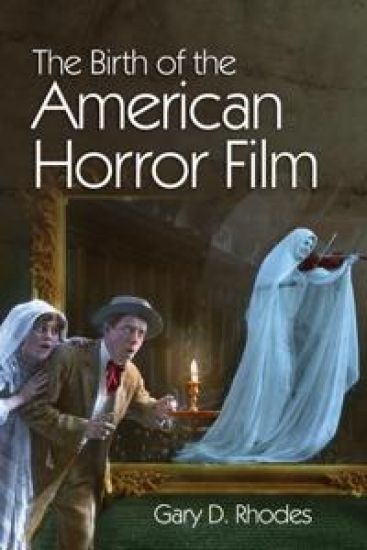
Explains how the American horror movie came into existenceAlthough early cinema has long been a key area of research in film studies, the origin and development of the horror film has been a neglected subject for what is arguably one of the world's most popular film genres. Using thousands of primary sources and long-unseen illustrations, 'The Birth of the American Horror Film' examines a history that begins in colonial Salem, taking an interdisciplinary approach to explore the influence of horror-themed literature, theatre and visual culture in America, and how that context established an amorphous structural foundation for films produced between 1895 and 1915. Exhaustively researched, bridging scholarship on Horror Studies and Early Cinema, 'The Birth of the American Horror Film' is the first major study dedicated to this vital but often overlooked subject. Key featuresThe first scholarly book dedicated to the birth of the American horror filmBridges scholarship on Horror Studies and Early CinemaExamines pre-cinema (literature, theatre and visual culture), as well as major works in early horror-themed cinemaSuitable for use on courses focusing on Film History, Genre and Horror
Expressionism in the Cinema

Expressionism in the Cinema

Olaf Brill; Gary D. Rhodes

Edinburgh University Press
2017
sidottu
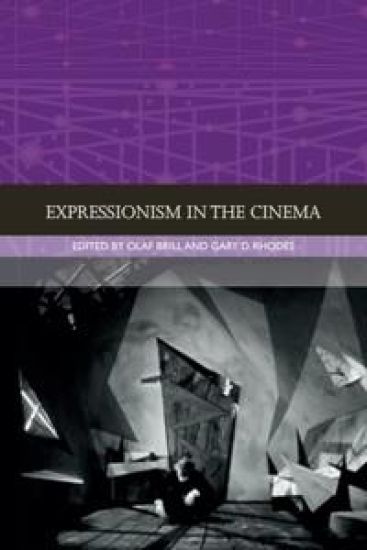
One of the most visually striking traditions in cinema, for too long Expressionism has been a neglected critical category of research in film history and aesthetics. The fifteen essays in this anthology remedies this by revisiting key German films like The Cabinet of Dr. Caligari (1920) and Nosferatu (1922), and also provide original critical research into more obscure titles like Nerven (1919) and The Phantom Carriage (1921), films that were produced in the silent and early sound era in countries ranging from France, Sweden and Hungary, to the United States and Mexico. An innovative and wide-ranging collection, Expressionism in the Cinema re-canonizes the classical Expressionist aesthetic, extending the critical and historical discussion beyond pre-existing scholarship into comparative and interdisciplinary areas of film research that reach across national boundaries.
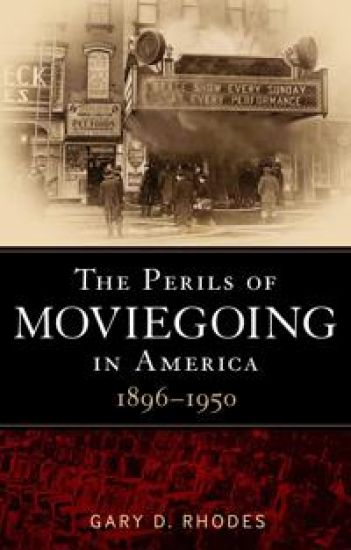
The Perils of Moviegoing in America

The Perils of Moviegoing in America

Gary D. Rhodes

Continuum Publishing Corporation
2011
nidottu
This title recaptures the lost history of the physical and moral perils that faced audiences at American movie theatres during the first fifty years of the cinema. During the first fifty years of the American cinema, the act of going to the movies was a risky process, fraught with a number of possible physical and moral dangers. Film fires were rampant, claiming many lives, as were movie theatre robberies, which became particularly common during the Great Depression. Labor disputes provoked a large number of movie theatre bombings, while low-level criminals like murderers, molesters, and prostitutes plied their trades in the darkened auditoriums. That was all in addition to the spread of disease, both real (as in the case of influenza) and imagined ("movie eyestrain"). Audiences also confronted an array of perceived moral dangers. Blue Laws prohibited Sunday film screenings, though theatres ignored them in many areas, sometimes resulting in the arrests of entire audiences. Movie theatre lotteries became another problem, condemned by politicians and clergymen throughout America for being immoral gambling. "The Perils of Moviegoing in America: 1896-1950" provides the first history of the many threats that faced film audiences, threats which claimed hundreds, if not thousands, of lives.
The Perils of Moviegoing in America

The Perils of Moviegoing in America

Gary D. Rhodes

Continuum Publishing Corporation
2011
sidottu
This title recaptures the lost history of the physical and moral perils that faced audiences at American movie theatres during the first fifty years of the cinema. During the first fifty years of the American cinema, the act of going to the movies was a risky process, fraught with a number of possible physical and moral dangers. Film fires were rampant, claiming many lives, as were movie theatre robberies, which became particularly common during the Great Depression. Labor disputes provoked a large number of movie theatre bombings, while low-level criminals like murderers, molesters, and prostitutes plied their trades in the darkened auditoriums. That was all in addition to the spread of disease, both real (as in the case of influenza) and imagined ("movie eyestrain"). Audiences also confronted an array of perceived moral dangers. Blue Laws prohibited Sunday film screenings, though theatres ignored them in many areas, sometimes resulting in the arrests of entire audiences. Movie theatre lotteries became another problem, condemned by politicians and clergymen throughout America for being immoral gambling. "The Perils of Moviegoing in America: 1896-1950" provides the first history of the many threats that faced film audiences, threats which claimed hundreds, if not thousands, of lives.
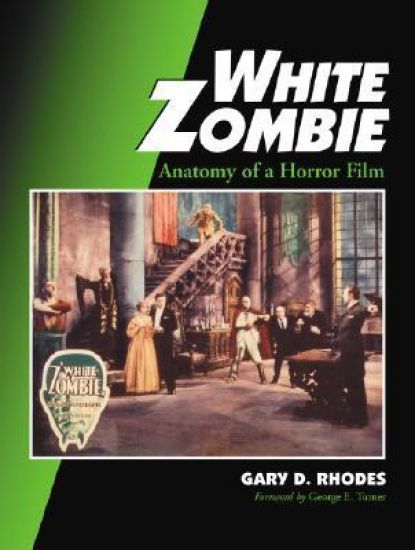
White Zombie

White Zombie

Gary D. Rhodes

McFarland Co Inc
2006
pokkari
The 1932 horror film White Zombie starring Bela Lugosi has received controversial attention from film reviewers and scholars--but it is unarguably a cult classic worthy of study. This book analyzes the film text from nearly every possible viewpoint, using both academic and popular film theories. Also supplied is an extensive intellectual history of the predecessor works to White Zombie, as well as information on the significance it carried for subsequent books and films, its theatrical release around the country, its modern cultural influence, and the attempts to restore the film to its original state. Other noteworthy features of this work include an in-depth biography of White Zombie director Victor Halperin, the first complete study of his life and career, and 244 images and photographs.