
Kirjailija
Gary Fincke
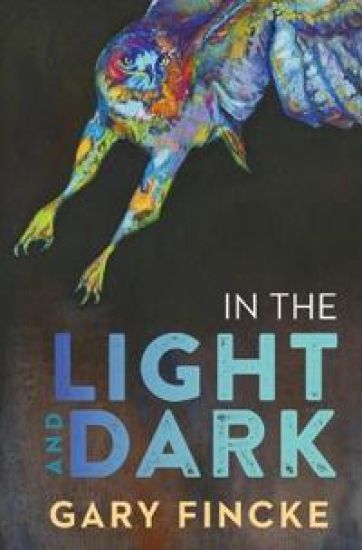
Kirjat ja teokset yhdessä paikassa: 27 kirjaa, julkaisuja vuosilta 1993–2026, suosituimpiin kuuluu In the Light and Dark. Vertaile teosten hintoja ja tarkista saatavuus suomalaisista kirjakaupoista.
27 kirjaa
Kirjojen julkaisuvuodet: 1993–2026.
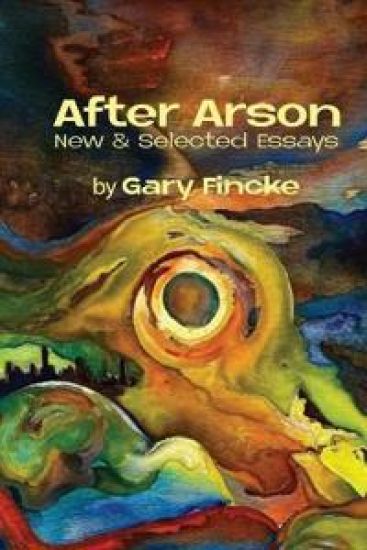
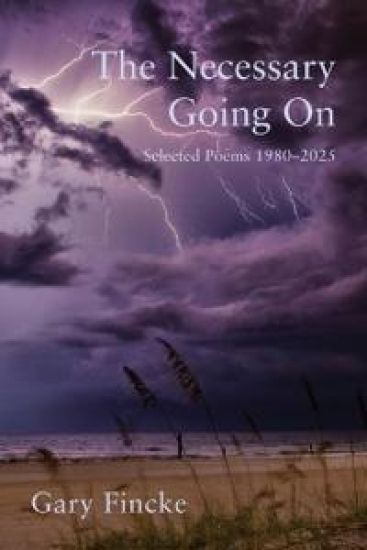

Written during the first three "Covid Years," For Now, We Have Been Spared is a collection of complex sequences and carefully constructed shorter poems that reflect the uncertainty of living through a pandemic-not only in terms of the immediate threats to the body, but also the tectonic shifts in how we perceive the nature of existence itself. The opening sequence-a sustained, metaphorical meditation on the devastation caused by the multiple deaths of a friend's sons, sets a tone of elegiac reflection that runs throughout the collection. Near tragedies are paired with simple joys; sickness is mirrored by health; coming-of-age is followed by poems immersed in the experience of aging. These are poems that carry the weight of decades of observation and experience. Their subjects range from the commonplaces of domestic life to the public realm of politics. What binds all of them together is their grounding in sensory detail. Extended narrative is present in nearly every poem. The subtle cadences of prose poetry also make their presence felt. These poems are set in particular, recognizable places and populated by everyday people who find themselves confronting trying circumstances. Always, though, hovering at the edge of perception, there remains the possibility of redemption and grace.
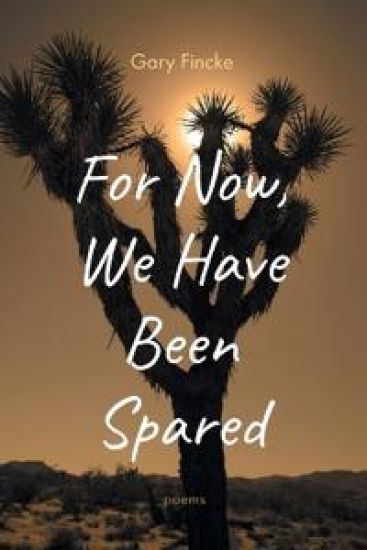
Written during the first three "Covid Years," For Now, We Have Been Spared is a collection of complex sequences and carefully constructed shorter poems that reflect the uncertainty of living through a pandemic-not only in terms of the immediate threats to the body, but also the tectonic shifts in how we perceive the nature of existence itself. The opening sequence-a sustained, metaphorical meditation on the devastation caused by the multiple deaths of a friend's sons, sets a tone of elegiac reflection that runs throughout the collection. Near tragedies are paired with simple joys; sickness is mirrored by health; coming-of-age is followed by poems immersed in the experience of aging. These are poems that carry the weight of decades of observation and experience. Their subjects range from the commonplaces of domestic life to the public realm of politics. What binds all of them together is their grounding in sensory detail. Extended narrative is present in nearly every poem. The subtle cadences of prose poetry also make their presence felt. These poems are set in particular, recognizable places and populated by everyday people who find themselves confronting trying circumstances. Always, though, hovering at the edge of perception, there remains the possibility of redemption and grace.
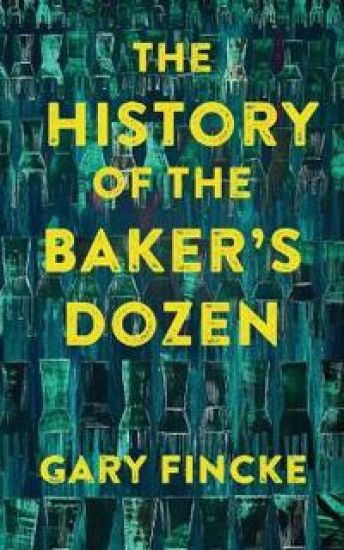
The History of the Baker's Dozen, as the title suggests, bristles with stories full of excess and want. In "Albatross," a beautiful former lifeguard, at a class reunion, confesses her ongoing wish to rescue a boy who drowned on her watch. In the title story, a baker, despite the number of doughnuts he adds to each dozen, cannot satisfy his customers. "Extant's" aging married couple long for a renewal of desire in a house formerly owned by a well-known pornographer. An underprivileged college student, in "Beauty," earns a supplemental income by exploiting customers who fantasize about photographs of her sexualized feet. What an otherwise wide variety of characters share is a struggle with satisfaction. No matter the situation, from coming-of-age to mid-life to old age, the desire for more is ever-present. By turns, these engaging characters deal with anger, frustration, sexual desire, cultural shifts, work issues, and an assortment of other common issues deepened and made singular, even in these very short stories, by close precise observation.
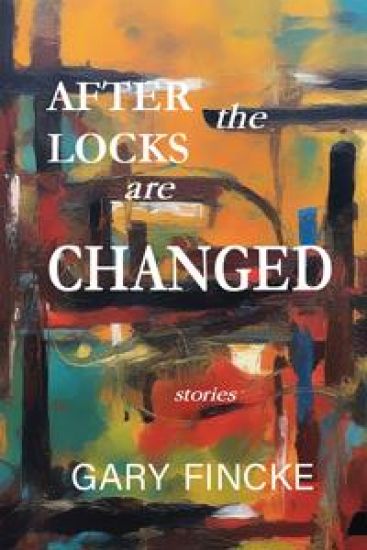
After the Locks are Changed showcases Gary Fincke’s ability to not only write in multiple points of view, but to also locate and ground stories in places as varied as Los Angeles, small-town Pennsylvania, rural Appalachia and New York City. From straight-forward narratives to ones that are braided, associative, and multi-voiced, this veteran writer continues to write unflinching stories about American life.
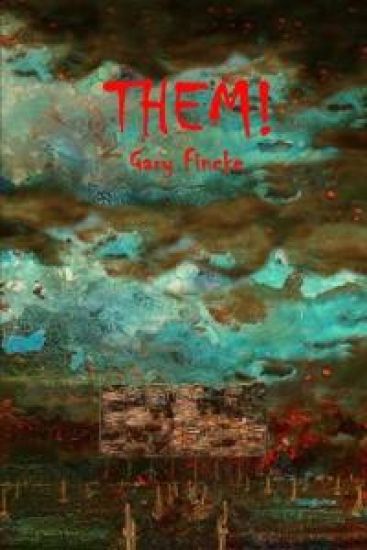
Gary Fincke's chapbook Them is packed with poems prompted by films that range from the lowest of the B-Movies of the 50s to A-list horror to Biblical epics. In tones varied from satirical to serious, he finds significance in the absurdities of rubber-suited monstera and cavorting snake women as well as man-made catastrophes that foreshadow the horror of ecological disasters. Them will make readers laugh and cringe and think, often in the same cleverly constructed poem.
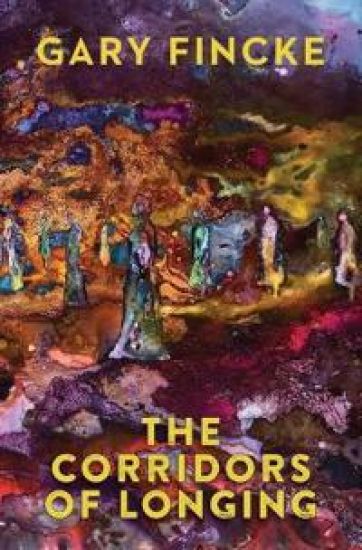
In the appropriately titled The Corridors of Longing, a wide variety of otherwise ordinary people anxiously face crucial choices. Personal trauma, anger, frustration, sexual desire, cultural shifts, work, and an assortment of other common issues are deepened and made singular, even in these very short stories, by the sharp focus of close observation. In settings and situations that range from mid-20th century to the present, fathers and sons, mothers and daughters, friends and enemies alike are given unique voices. The heart of each story is found quickly and followed until something beyond the apparently familiar is made surprising, yet genuine. Despite their imperfections, the characters, through their struggles with understanding, reach moments of tolerance and sometimes, through perseverance, obtain compassion and even love. Above all, despite how brief these stories are, they are nuanced and subtle. Instead of heroes and villains, there are characters who are complicated, with few exceptions, in less than a thousand words. In other words, they carry the weight of being human with varying degrees of success and failure. In other words, they are alive and demand our attention and respect.
The narratives throughout Gary Fincke’s Nothing Falls from Nowhere contain events told by an ordinary person caught up in the mundane action of day to day living but preoccupied by the dismal prospects life has to offer. These shocking accounts become both central and peripheral to the narrative, as Fincke portrays the fluctuating emotions and self-protective reflections of fathers, sons, and husbands, creating a world where individuals infrequently comprehend the actions of others, yet often attain salvation during moments of compassion, acceptance, resolution, and dissolution of love.
These poems begin in the coming-of-age moments that change us by forcing recognition of physical weakness, the power of sex. the importance of family, the presence of evil, and the prevalence of mortality. The book opens with narratives taken primarily from childhood and then, divided by long poem sequences, moves to adulthood and confrontation with the identity we acquire through close relationships and the pressures of our appetites, finally ending with what reads as a universal prayer of redemption. "Writing Letters for the Blind presents the reader with visions of this world and all its beauty and sordidness, joy and disappointment. This poet reports the breaking news just in from the heart and soul, and the body as well." My father has taught me the beatitudes of sight," Fincke tells us, always aware of what we owe to those who brought us here. He stays up through the starry darkness in the insomnia of one who feels it his duty to pay passionate attention, a poet engaged in "the basic defense of simple things."
Moving at surprising angles between the personal and the public world, Gary Fincke's poems lead to discoveries that are both exhilarating and unsettling. In long sequences and precisely observed shorter poems, he explores terrorism, mass hysteria, climate change, political calamity, and the necessity of sustaining belief. He references science and history as well as myth. He grounds his poems in experience. Gary Fincke's poems speak to the reader with an urgency driven by the elusiveness of truth.
Gary Fincke's The Sorrows explores the human dynamics, gone wrong and right, of family, of loss for women who never 'said they needed their husbands to come back from the dead,' of the ghosts that populate the world. There are filthy people in the world of sorrows, collecting porn and drinking beer; racist and sexist, dangerous and blind despite the disasters. Yet, the grotesque often brings the saints through the darkness to redemptive light, and Fincke is adept at guiding his reader toward such consolation. After all, the reader is 'someone who needed me. Or, at least, a presence, a voice.'
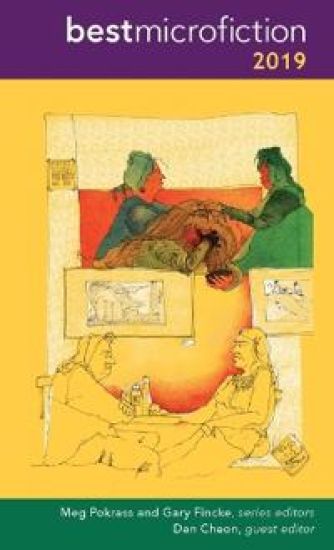
Fiction. THE BEST MICROFICTION anthology series provides recognition for outstanding literary stories of 400 words or fewer. Co-edited by award-winning microfiction writer/editor Meg Pokrass, and Flannery O'Connor Prize-winning author Gary Fincke, the anthology features the well-known novelist and short story writer Dan Chaon serving as final judge, an exclusive craft-oriented interview with the great Etgar Keret, and an essay about the current state of microfiction written by Robert Scotellaro. The inaugural edition, BEST MICROFICTION 2019, features eighty seven of the world's best very short stories.
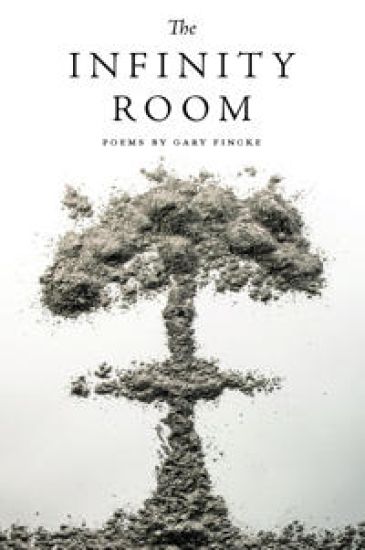
In The Infinity Room the reader will find polished, precise poems that are built around the author’s experiences of touring Nevada’s atomic bomb test sites, the Chernobyl disaster site, and Oak Ridge, as well as living for decades near Three Mile Island. These iconic landmarks of the threat of nuclear technology become more than talking points as they provide grounding for narratives of faith and skepticism from multiple viewpoints that employ science, religion, history, myth, politics, and popular culture, including a piece about the author’s experience as a student at Kent State at the time of the National Guard shooting. The poems here are tightly controlled but electric, dark yet vibrant with love and longing, and packed with memorable characters and places that are presented through a singular, lyrical voice that connects us to what it means to be human.
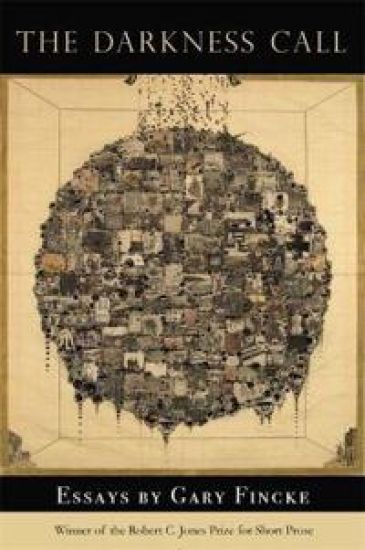
In these essays, Gary Fincke combines a journalist's relentless investigations into the darkest corners of the human condition with an academic's love for arcana. In one essay, almost forgotten homeopathic recipes from the pantries of Pennsylvania Dutch country are interwoven with the panicked absurdities of elementary school health classes in the 1960s. In another, old case files of small town murders intertwine with meditations on all the fears, large and small, that accompany parenting. In The Darkness Call, Fincke plumbs the depths- child abuse, violence, illness, grief- not for their sadness but for moments of courage, hope, empathy, and light.
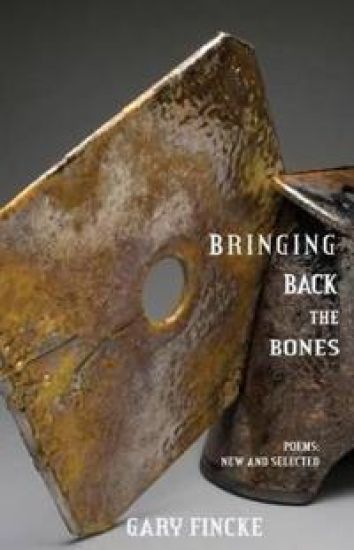
The poems in Bringing Back the Bones are startling intheir inclusiveness, juxtaposing history, science, myth,and popular culture with a narrative thread that risesfrom memory. Groups of distinctively individual poemsalternate with long poem sequences that range fromone based upon the difficulties of genius to one thatcontemplates the wondrous things that literally fall fromthe sky to the tile sequence, a meditation on the desirefor permanence. As Robert Cording, author of Against Consolationand Common Life says, “Gary Fincke finds the wordsfor that lone, long labor of our lives that shapes who webecome and readies us for those moments when the`possibility of happiness/surprise[s] us.’ He combinesthe empathy of Philip Levine for our ordinary livesand the thinking intelligence of Carl Dennis. His greatgift, like Levine’s and Dennis’, is the way he so casuallyconnects his own life to those worlds, his poems alwaysconvincing the reader with their intelligence, with theirsubtle wit and humor, and with their deep feeling asthey simultaneously strive for a history of permanenceand comically acknowledge our human failures.”
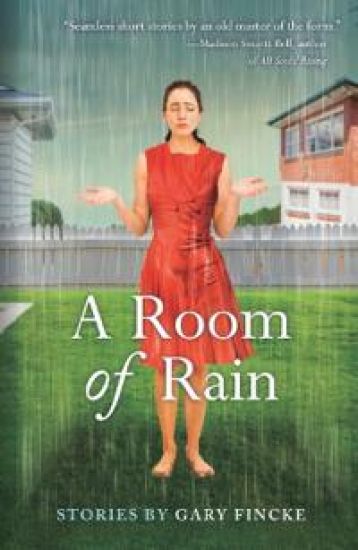
The narratives throughout Gary Fincke's sixth collection of short stories contain newsworthy events that are chronicled secondhand: the shooting of a policeman, the murder of a house flipper, the firing of a teacher for punching a violent student, the accidental drowning of a gay man in a flood, and a fire somewhat accidently set by a juvenile smoker in a school. Despite these surprising events, the narrator of each story is an ordinary person caught up in the action but preoccupied by other things, whether zombie movies, collecting unusual words, the oddity of other people's sexual habits, or what to do in retirement. These shocking incidents become both central and peripheral to the narrative, as Fincke portrays the fluctuating emotions and self-protective reflections of fathers, sons, and husbands, creating a world where individuals rarely understand each other, yet still arrive at moments of compassion, tolerance, perseverance, and familial love.
Vanishings is a stunning collection of autobiographical narratives that propel us into the life and mind of a literary genius.
Coal burns underground and destroys a small town. A woman confronts police officers with her pet copperheads. A young girl drinks Drano. A man is banned from his favorite bar. Within these eleven short stories, Flannery O'Connor Award winner and poet Gary Fincke brings into focus the small struggles of ordinary people. The characters within this collection, from boys and girls to fathers, mothers, and the aging, live in cities, in towns, and in rural areas. Yet, no matter the surroundings, all seem alone within a collective anxiety. Set against extraordinary events, such as the Three Mile Island accident, the Challenger Disaster, and the Kennedy assassination, these stories personalize history through a juxtaposition between large and small tragedies and the unflinching desire to find insight within and redemption from weakness and shortcoming.