Kirjojen hintavertailu – 12 903 735 kirjaa ja 27 kauppaa

Kirjailija

Gary Morris

Kirjat ja teokset yhdessä paikassa: 9 kirjaa, julkaisuja vuosilta 2006–2020, suosituimpiin kuuluu Traditional Epidemiological Model to Predict Occupational Injury Rates. Vertaile teosten hintoja ja tarkista saatavuus suomalaisista kirjakaupoista.

9 kirjaa

Kirjojen julkaisuvuodet: 2006–2020.

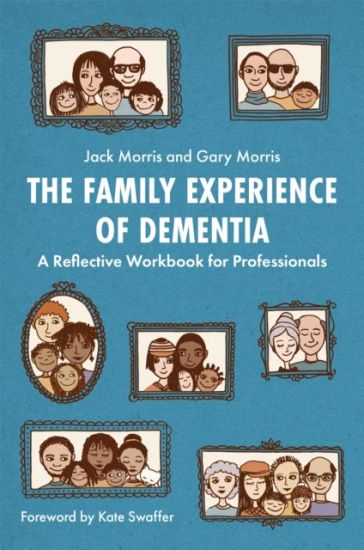
The Family Experience of Dementia

The Family Experience of Dementia

Gary Morris; Jack Morris; Kate Swaffer

Jessica Kingsley Publishers
2020
pokkari
Dementia not only affects the person presented with the diagnosis, but their family and friends too. This book provides practitioners with strategies to support the whole family and understand their dementia journey both pre- and post-diagnosis. This is facilitated through a series of activities and reflective prompts. There is also a dedicated chapter offering structured exercises for health and social care practitioners and students. The book introduces the Lawrence family, where Peter has been diagnosed with dementia, and provides perspectives from each family member, allowing practitioners to become acquainted with the lived experience of everyone involved. The reflective questions allow readers to become actively engaged to maximise their knowledge and understanding, and to better contextualize what the dementia experience feels like for family and friends. With its focus on the all-important lived experience of the whole family during the diagnostic process and beyond, this is essential reading for any practitioner working with people with dementia.
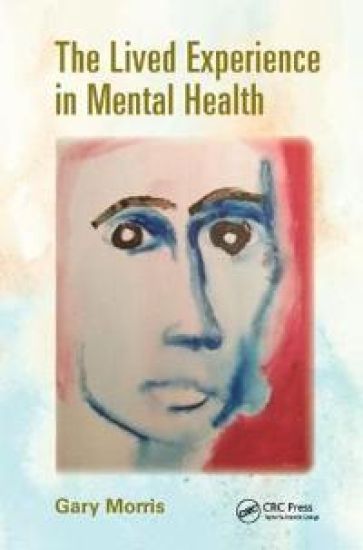
The Lived Experience in Mental Health

The Lived Experience in Mental Health

Gary Morris

Apple Academic Press Inc.
2016
nidottu
The importance of recognising the knowledge and the needs of service users and engaging them more proactively within the care process is now widely acknowledged, but it is not always clear how this can come about. The Lived Experience of Mental Health highlights individuals’ own lived and felt mental health experience in order to share their expertise about mental health problems and the care offered. This text begins by exploring the importance of engaging with the internal world of those living with various mental health problems and reflecting upon personal narratives as means of expressing and sharing experience, as well as the status of these narratives as 'evidence'. The central section of the book looks at five commonly experienced mental health states: anxiety problems, depression, mood extremes, states of altered reality (linked, for example, with psychosis and schizophrenia) and impaired cognition (linked, for example, with dementia). The chapters look at how the mental state in question is experienced, including the experience of it in the context of the wider world, where health and social care services and the responses of other people play a part. Drawing on personal narratives from a wide range of sources, this text foregrounds the voices of experts by experience and relates them to the academic literature. The narratives collectively convey a breadth of experience including both concepts of struggling and living well with mental health issues. The book ends by outlining resources where a range of first-person narratives can be accessed, from online forums to films, and providing a strategy for teaching and learning associated with the exploration of lived experience narratives. Designed for health professionals working with people experiencing mental health problems, this illuminating text uses personal narratives to emphasise the importance of person-centred care and participation by services users in their own care. It will also be an interesting read for experts by experiences themselves as well as their families and friends.
The Dementia Care Workbook

The Dementia Care Workbook

Gary Morris; Jack Morris

Open University Press
2010
nidottu
"I regard this as a long overdue and highly relevant addition to the literature on dementia care. Its grounding in the reality of practice and realistic approach will make it a very valuable workbook for a wide range of car workers. The book will play a large part in helping to improve dementia care by presenting a vision and manual for 'best fit' realistic practice." Danny Walsh, University of Nottingham, UK"This is an excellent text for both undergraduate and postgraduate students. The strong emphasis on person centred approaches and relationships permeates throughout the book and the activities presented provide the reader with the opportunity to reflect upon their own practice and the best fit options identify interventions for consideration." Sandra Fleming, School of Nursing and Midwifery, Trinity College Dublin, Ireland"I thought this book was a very useful and detailed text exploring the world of the person with dementia and their carer." Dr Alisoun Milne, Reader in Social Gerontology, School for Social Policy, Sociology and Social Research, University of Kent, UK"Excellent text which provides a number of useful case studies which helps to demonstrate the application of evidence to practice. Well written, informative chapters." Val Howatson, Pathway Leader in Mental Health, Glasgow Caledonian University, UK This workbook builds upon the person-centred approach to dementia care, and gives students, practitioners and carers a new way of looking at dementia and the people who live with it. The authors reflect upon the reality of working within dementia care and the importance of working positively with others to achieve the best care possible. The workbook is full of exercises and activities to try, all designed to help you engage and connect with the person with dementia, empowering both them and their families/carers. Key topics explored by the workbook includes:Understanding how it feels to live with dementia. Recognising the issues and feelings involved for family carers or healthcare professionals when caring for individuals with dementiaQuestioning your own care approach and attitudes to encourage more compassionate person-centred careThroughout the workbook, vignettes featuring two fictional characters living with dementia, provide examples of good and realistic practice and encourage you to examine your own practice and explore ways in which the care you give can be enhanced. The Dementia Care Workbook is a valuable companion and learning tool for all those working with people with dementia
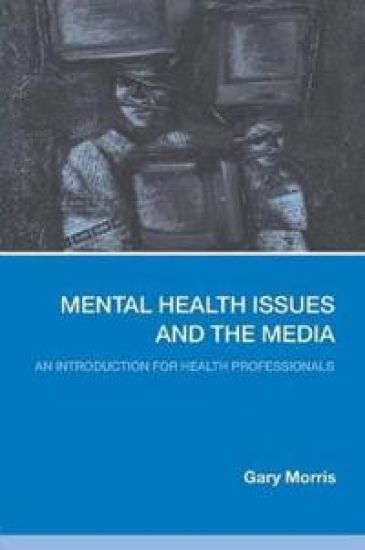
Mental Health Issues and the Media
Mental Health Issues and the Media provides students and professionals in nursing and allied professions, in psychiatry, psychology and related disciplines, with a theoretically grounded introduction to the ways in which our attitudes are shaped by the media. A wide range of contemporary media help to create attitudes surrounding mental health and illness, and for all health professionals, the ways in which they do so are of immediate concern. Health professionals need to:be aware of media influences on their own perceptions and attitudes take account of both the negative and positive aspects of media intervention in mental health promotion and public education understand the way in which we all interact with media messages and how this affects both practitioners and service users. Covering the press, literature, film, television and the Internet, this comprehensive text includes practical advice and recommendations on how to combat negative images for service users, healthcare workers and media personnel.
Mental Health Issues and the Media
For students and professionals in nursing and allied professions, in psychiatry, psychology and related disciplines, this work presents an introduction to the ways in which our attitudes are shaped by the media. It also includes advice and on how to combat negative images for service users, healthcare workers, and media personnel.