Kirjojen hintavertailu – 12 859 829 kirjaa ja 27 kauppaa

Kirjailija

Gay Hawkins

Kirjat ja teokset yhdessä paikassa: 5 kirjaa, julkaisuja vuosilta 2005–2024, suosituimpiin kuuluu Making Animals Public. Vertaile teosten hintoja ja tarkista saatavuus suomalaisista kirjakaupoista.

5 kirjaa

Kirjojen julkaisuvuodet: 2005–2024.

Making Animals Public

Making Animals Public

Gay Hawkins; Ben Dibley

Sydney University Press
2024
nidottu
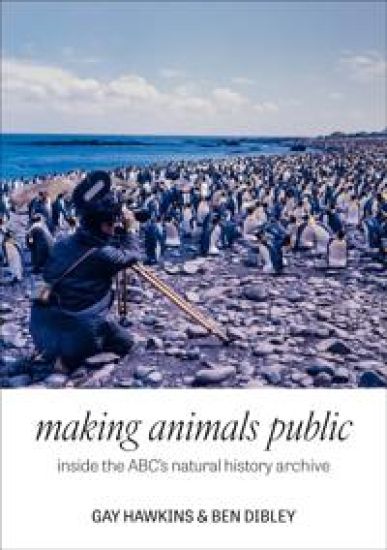
Natural history television on the ABC has been one of the public broadcaster’s most popular formats. For many viewers, TV has been an important contact zone for engaging with animals they would never encounter in everyday life. These animals have also played a critical role in developing environmental awareness. But how did animals get to be on the small screen and what happened to them when they got there? Making Animals Public: Inside the ABC’s Natural History Archive traces the cultural and political evolution of the natural history animal on the ABC. It explores different modes of capture from cages to cameras; what has come to count as a natural history animal over time; and the various sites they have inhabited – from nature, to the nation, to the environment, to the planet. In early natural history programs audiences were invited to watch as sovereign humans there to learn or be entertained by animals that were exotic or aesthetic or scientifically interesting. Whatever the framing, these animals were resolutely other. In recent times, natural history animals have become more assertive. They are now posing uncomfortable questions to human viewers about exploitation, extinction and mutual implication in catastrophic whole earth processes like climate change. Using a wide range of screen examples ranging from the 1950s to the 2020s, Making Animals Public focuses on shifting cultural and sociotechnical practices in ABC natural history television. Combining science and technology studies, screen studies and critical animal studies, this book develops an innovative interdisciplinary analysis of how televisual animality is crafted and made believable. Making Animals Public analyses the significant role public television has played in filming and circulating a vast array of animals and habitats that had never been seen before. How these animals were visualised and accounted for has continually evolved. What has remined constant is the fact that natural history television has been a hugely important site for exploring the various politics of human-animal relations – good and bad – and for nurturing environmental awareness in audiences.
Making Animals Public

Making Animals Public

Gay Hawkins; Ben Dibley

Sydney University Press
2024
sidottu
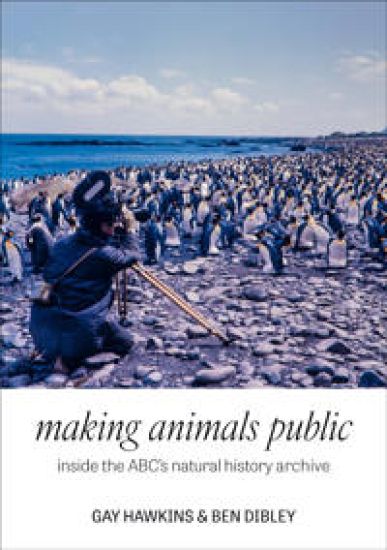
Natural history television on the ABC has been one of the public broadcaster’s most popular formats. For many viewers, TV has been an important contact zone for engaging with animals they would never encounter in everyday life. These animals have also played a critical role in developing environmental awareness. But how did animals get to be on the small screen and what happened to them when they got there? Making Animals Public: Inside the ABC’s Natural History Archive traces the cultural and political evolution of the natural history animal on the ABC. It explores different modes of capture from cages to cameras; what has come to count as a natural history animal over time; and the various sites they have inhabited – from nature, to the nation, to the environment, to the planet. In early natural history programs audiences were invited to watch as sovereign humans there to learn or be entertained by animals that were exotic or aesthetic or scientifically interesting. Whatever the framing, these animals were resolutely other. In recent times, natural history animals have become more assertive. They are now posing uncomfortable questions to human viewers about exploitation, extinction and mutual implication in catastrophic whole earth processes like climate change. Using a wide range of screen examples ranging from the 1950s to the 2020s, Making Animals Public focuses on shifting cultural and sociotechnical practices in ABC natural history television. Combining science and technology studies, screen studies and critical animal studies, this book develops an innovative interdisciplinary analysis of how televisual animality is crafted and made believable. Making Animals Public analyses the significant role public television has played in filming and circulating a vast array of animals and habitats that had never been seen before. How these animals were visualised and accounted for has continually evolved. What has remined constant is the fact that natural history television has been a hugely important site for exploring the various politics of human-animal relations – good and bad – and for nurturing environmental awareness in audiences.
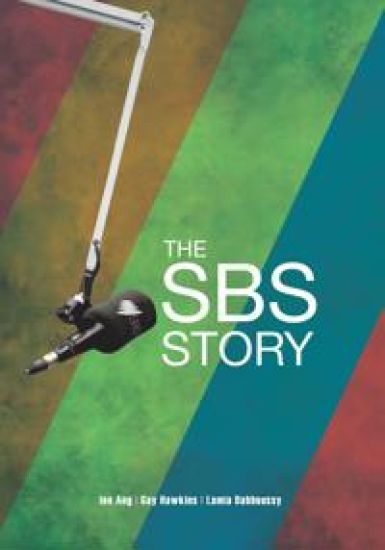
The SBS Story

The SBS Story

Ien Ang; Gay Hawkins; Lamia Dabboussy

UNSW Press
2008
nidottu
Ang and Hawkins are two of the most important researchers in Australia in the area of culture, media and multiculturalism. This book includes feature sections that look at a particular program, event or controversy. The book is the result of a collaborative research between SBS and researchers, funded by the ARC. This means that they have had access to lots of inside information. This important book, based on extensive interviews and unprecedented access to SBS archives, argues that SBS is one Australia's most significant and innovative cultural institutions and that its charter to broadcast for multicultural Australia is as relevant today as it was when the organisation started 30 years ago.
The Ethics of Waste

The Ethics of Waste

Gay Hawkins

Rowman Littlefield Publishers
2005
sidottu
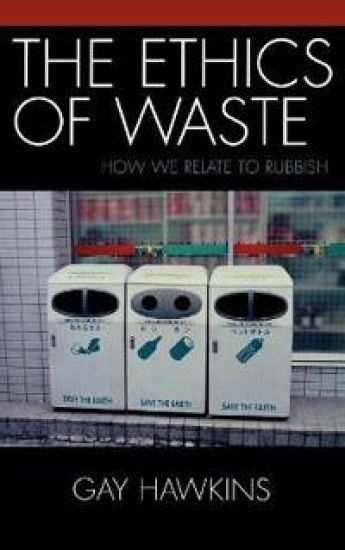
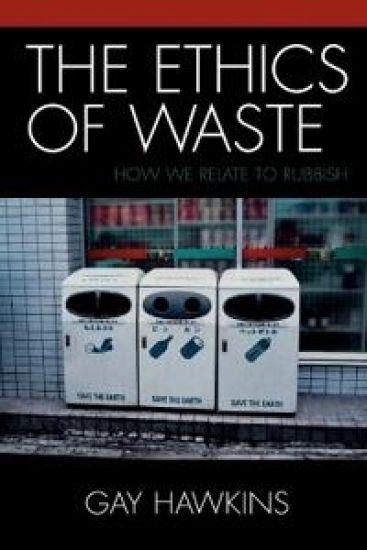
We spend a good amount of time in our lives managing waste: washing ourselves, taking out the trash, sorting recyclables, going to the toilet, deleting e-mail, picking out old clothes to give to charity, filling the compost bin, multitasking to save time, clipping coupons to save money. But waste is much more than what we want to get rid of or avoid. Far beyond terms like rubbish, trash, or litter, the idea of waste can provoke a minefield of emotions and moral anxieties. Gay Hawkins explores the ethical significance of waste in everyday life_from the broadest conceptions of waste and loss to how the environmental movement has affected the ways we think about garbage, the ways we deal with it, and the ways in which we view others' reactions to waste. Do we feel virtuous for reusing a plastic bag? Do we disdain those who throw away aluminum cans? At what point does personal waste become public responsibility? How does this 'public conscience' affect policy? Placing these ideas into historical, social, and cultural perspective, this thoughtful book seeks ways to change ecologically destructive practices without recourse to guilt, moralism, or despair.
The Ethics of Waste

The Ethics of Waste

Gay Hawkins

Rowman Littlefield Publishers
2005
nidottu

Halvin toimitettuna 62,40 €

Looks at contemporary society and its treatment of waste products, offering a meditation on what we throw out, how we do it, and the ethical significance of waste in everyday life.