
Kirjailija
Geetanjali Shree
Kirjat ja teokset yhdessä paikassa: 15 kirjaa, julkaisuja vuosilta 2004–2026, suosituimpiin kuuluu Mai. Vertaile teosten hintoja ja tarkista saatavuus suomalaisista kirjakaupoista.
15 kirjaa
Kirjojen julkaisuvuodet: 2004–2026.
The Roof Beneath their Feet
Geetanjali Shree
And Other Stories
2026
nidottu
Halvin toimitettuna 23,70 €
First publication (outside of India) for this playful and moving masterpiece of psychological intrigue and feminist space-making by the International Booker winnerIn this Indian modern classic by the International Booker Prize-winning author, roofs are meant for wild things, for romance and for play. They are realms of freedom – freedom from the male gaze, sexual freedom and freedom from society. Chachcho and Lalna use their roofs to build a friendship that transcends time and memory.‘Geetanjali Shree’s prose is animated – the walls and doors have a special role to play. They hold people’s secrets. They have seen and heard things. They have eyes and ears, but none of the biases of people.’ Hindustan Times


A city teeters on the edge of chaos. A society lies fractured along fault lines of faith and ideology. A playground becomes a battleground. A looming silence grips the public. Against this backdrop, Shruti, a writer paralyzed by the weight of events, tries to find her words, while Sharad and Hanif, academics whose voices are drowned out by extremism, find themselves caught between clichés and government slogans. And there’s Daddu, Sharad’s father, a beacon of hope in the growing darkness. As they each grapple with thoughts of speaking the unspeakable, an unnamed narrator takes on the urgent task of bearing witness. First published in Hindi in 1998, Our City That Year is a novel that defies easy categorization—it’s a time capsule, a warning siren and a desperate plea. Geetanjali Shree’s shimmering prose, in Daisy Rockwell’s nuanced and consummate translation, takes us into a fever dream of fragmented thoughts and half-finished sentences, mirroring the disjointed reality of a city under siege. Readers will find themselves haunted long after the final page, grappling with questions that echo far beyond India’s borders.

"I highlighted just about every line in this book, and I can't think of a better novel to make sense of our current era." --Molly Odintz, CrimeReadsFrom the International Booker Prize-winning author-translator duo of Tomb of Sand, a powerful, kaleidoscopic novel about a fractured society, loosely based on the gathering violence that eventuated in the demolition of the Babri Mosque by religious extremists in 1992. In an unnamed city in India, violence is erupting between Hindus and Muslims, each side viewing the other with suspicion, rage, and blame. As their identities sharpen, friends and colleagues turn against each other. Hospital beds fill up and classrooms empty out. Curfews are imposed. Residents flee en masse. Three intellectuals find themselves paralyzed by anxiety and fear. Shruti, a creative writer, spends her time writing and rewriting the same sentence. Hanif is sidelined by his academic department for his secular beliefs. And Sharad finds it increasingly difficult to connect with Hanif, his childhood friend. The only one left to bear witness is the novel's unnamed narrator, who hurries to transcribe everything that's happening. Explosive, raw, and uncompromising, Our City That Year unfolds in a time of rising uncertainty and dread, when nothing will go back to being as it was before. Twenty-five years after its original publication in Hindi, Shree's clarion call to bear witness to the toxic ideology of religious nationalism is timelier than ever, speaking to the growing divisions across global borders. Translated from the Hindi by Daisy Rockwell
WINNER OF THE 2022 INTERNATIONAL BOOKER PRIZE"A triumph of literature."--Financial Times"Echoes of James Joyce, Jorge Luis Borges, Isabel Allende and Leo Tolstoy. . . . An enchanting ride."--BookPage"A breath of fresh air."--GuardianA playful, feminist, and utterly original epic set in contemporary northern India, about a family and the inimitable octogenarian matriarch at its heart." A tale tells itself. It can be complete, but also incomplete, the way all tales are. This particular tale has a border and women who come and go as they please. Once you've got women and a border, a story can write itself . . ." Eighty-year-old Ma slips into a deep depression after the death of her husband. Despite her family's cajoling, she refuses to leave her bed. Her responsible eldest son, Bade, and dutiful, Reebok-sporting daughter-in-law, Bahu, attend to Ma's every need, while her favorite grandson, the cheerful and gregarious Sid, tries to lift her spirits with his guitar. But it is only after Sid's younger brother--Serious Son, a young man pathologically incapable of laughing--brings his grandmother a sparkling golden cane covered with butterflies that things begin to change. With a new lease on life thanks to the cane's seemingly magical powers, Ma gets out of bed and embarks on a series of adventures that baffle even her unconventional feminist daughter, Beti. She ditches her cumbersome saris, develops a close friendship with a hijra, and sets off on a fateful journey that will turn the family's understanding of themselves upside down. Rich with fantastical elements, folklore, and exuberant wordplay, Geetanjali Shree's magnificent novel explores timely and timeless topics, including Buddhism, global warming, feminism, Partition, gender binary, transcending borders, and the profound joys of life. Elegant, heartbreaking, and funny, it is a literary masterpiece that marks the American debut of an extraordinary writer. Translated from the Hindi by Daisy RockwellAuthor's name pronounced: Ghee-TAHN-juh-lee Shree

All Walls Collapse
Muyesser Abdul’ehed; Zahra El Hasnaoui Ahmed; Maya Abu Al-Hayat; Larissa Boehning; Rezuwan Khan; Kyung-Sook Shin; Paulo Scott; Geetanjali Shree; Constantia Soteriou; Krisztina Tóth; Juan Pablo Villalobos
Comma Press
2022
nidottu
Halvin toimitettuna 22,50 €
The history of walls – as a way to keep people in or out – is also the history of people managing to get around, over and under them. From the Berlin Wall and the Mexico–US border, to the barbed wire fences of Bangladesh’s refugee camps, the short stories in this anthology explore the barriers that have sought to divide communities and nations, and their traumatic effects on people’s lives and histories. At a time when more walls are being built than are being brought down, All Walls Collapse brings together writing from across national, ethnic and linguistic borders, challenging the political impulse to separate and segregate, and celebrating the role of literature in traversing division.
An eighty-year-old woman slips into a deep depression at the death of her husband, then resurfaces to gain a new lease on life. Her determination to fly in the face of convention including striking up a friendship with a hijra (trans) woman confuses her bohemian daughter, who is used to thinking of herself as the more x27modernx27 of the two. At the older womanx27s insistence they travel back to Pakistan, simultaneously confronting the unresolved trauma of her teenage experiences of Partition, and re-evaluating what it means to be a mother, a daughter, a woman, a feminist. Rather than respond to tragedy with seriousness, Geetanjali Shreex27s playful tone and exuberant wordplay results in a book that is engaging, funny, and utterly original, at the same time as being an urgent and timely protest against the destructive impact of borders and boundaries, whether between religions, countries, or genders.
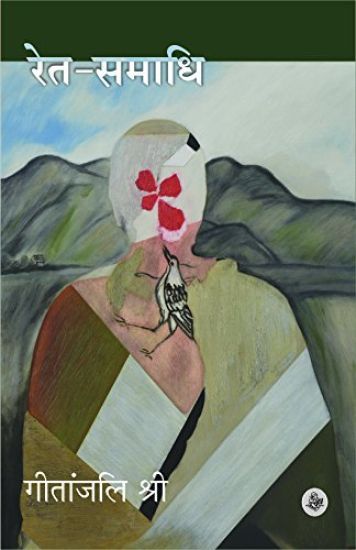
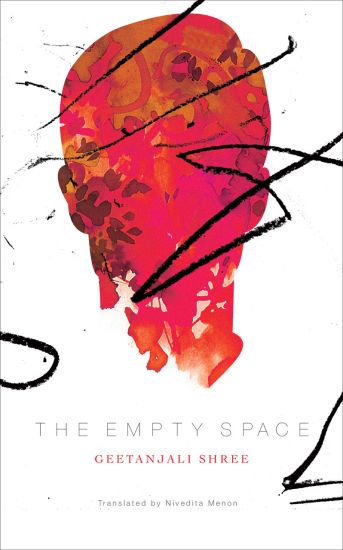
When a bomb explodes in a university cafe, nineteen students are killed. The Empty Space begins with the identification of these slain students. Slowly, each individual is claimed and taken away for a proper burial by their mourning family members. The final mother to enter the cafe identifies the nineteenth body as her eighteen-year-old son and brings him home in a casket. Not only does she bring home her dead son, though, but also the sole survivor of the blast, a three-year-old boy. By a strange quirk of fate, after the explosion he is found lying in a small empty space, alive and breathing. The Empty Space chronicles the memories of the boy dead, the story of the boy brought home, and the cataclysmic crossing of life and death.

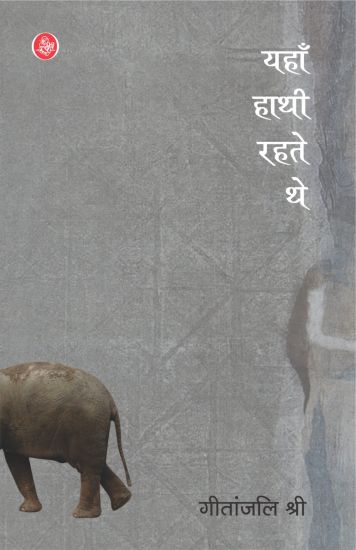
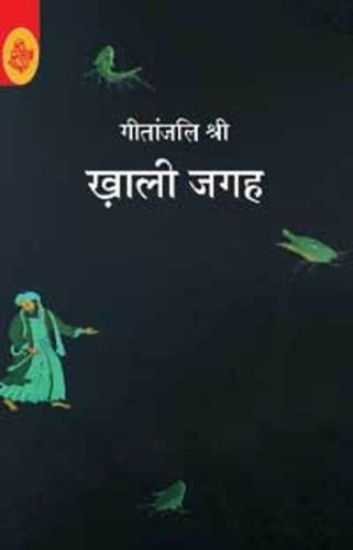
ख़ाली जगह गीतांजलि श्री संवेदना और गहरी दृष्टि से भाषा के अनोखे खेल की रचना करता है गीतांजलि श्री का उपन्यास - 'ख़ाली जगह'। इस उपन्यास में लेखिका ने नैरेटिव की चिन्दियों को विस्फोट की तरह फैलने दिया है - बार-बार सत्यता के दावों में छेद करते हुए। 'ख़ाली जगह' में मूल तत्त्व वह हिंसा है जो हमारे, रोज़मर्रे की ज़िन्दगी में समा गई है। 'बम' इसका केन्द्रीय रूपक है जो ज़िन्दगियों के परखचे उड़ा देता है। एक अनाम शह के अनाम विश्वविद्यालय के सुरक्षित समझे जानेवाले कैफे में एक बम फटता है - और उन्नीस लोगों की शिनाख्त से शुरू होती है - 'ख़ाली जगह' की कहानी। उन्नीसवीं शिनाख़्त करती है एक माँ - अपने राख हुए अठारह साल केे बेटे की और यही माँ ले आती है बेटे की चिन्दियों के साथ एक तीन साल के बच्चे को, जो सलामत बच गया है, न जाने कैसे, ज़रा-सी ख़ाली जगह में... गीतांजलि श्री ऑब्जेक्टिव और सब्जेक्टिव यथार्थ के बीच जो तालमेल बिठाती हैं वह स्पष्ट, तार्किक क्रम को तोड़ता है। वह उसमें लेखकीय वक्तव्य देकर कोई हस्तक्षेप नहीं करतीं। पात्रों की भावनाएँ, उनके विचार और कर्म, अस्त-व्यस्त उद्घाटित होते हैं, घुटे हुए, कभी ठोस, कभी ज़बरदस्त आस और गड़बड़ाई तरतीब में हैरानी से भिंचे हुए। पूछते से कि क्या यही है जीवन, यही होता है उसका रंग-रूप, ऐसा ही होना होता है? 'ख़ाली जगह' गीतांजलि श्री के लेखन की कुशलता का सबूत है, वह कल्पना और यथार्थ के अभेद से बनी ज़िन्दगी बटोर लाती हैं और 'ख़ाली जगह' पाठकों के मन पर अपना अमिट प्रभाव छोड़ जाता है।
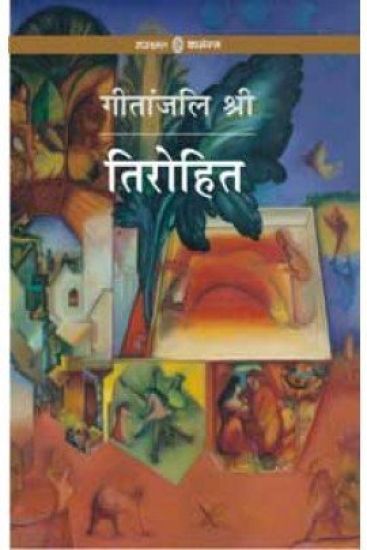
गीतांजलि श्री के लेखन में अमूमन, और 'तिरोहित' में ख़ास तौर से, सब कुछ ऐसे अप्रकट ढंग से घटता है कि पाठक ठहर-से जाते हैं। जो कुछ मार्के का है, जीवन को बदल देनेवाला है, उपन्यास के फ्रेम के बाहर होता है। ज़िन्दगियाँ चलती-बदलती हैं, नए-नए राग-द्वेष उभरते हैं, प्रतिदान और प्रतिशोध होते हैं, पर चुपके-चुपके। व्यक्त से अधिक मुखर होता है अनकहा। घटनाक्रम के बजाय केन्द्र में रहती हैं चरित्र-चित्रण व पात्रों के आपसी रिश्तों की बारीकियाँ। पैनी तराशी हुई गद्य शैली, विलक्षण बिम्बसृष्टि और दो चरित्रों-ललना और भतीजा-के परस्पर टकराते स्मृति प्रवाह के सहारे उद्घाटित होते हैं 'तिरोहित' के पात्र उनकी मनोगत इच्छाएँ, वासनाएँ व जीवन से किए गए किन्तु रीते रह गए उनके दावे। अन्दर-बाहर की अदला-बदली को चरितार्थ करती यहाँ तिरती रहती है एक रहस्यमयी छत। मुहल्ले के तमाम घरों को जोड़ती यह विशाल खुली सार्वजनिक जगह बार-बार भर जाती है चच्चो और ललना के अन्तर्मन के घेरों से। इसी से बनता है कथानक का रूप। जो हमें दिखाता है चच्चो/बहन जी और ललना की इच्छाओं और उनके जीवन की परिस्थितियों के बीच की न पट सकनेवाली दूरी। वैसी ही दूरी रहती है इन स्त्रियों के स्वयं भोगे यथार्थ और समाज द्वारा देखी गई उनकी असलियत में। निरन्तर तिरोहित होती रहती हैं वे समाज के देखे जाने में। किन्तु चच्चो/बहन जी और ललना अपने अन्तर्द्वन्द्वों और संघर्षों का सामना भी करती हैं। उस अपार सीधे-सच्चे साहस से जो सामान्य ज़िन्दगियों का स्वभाव बन जाता है। गीतांजलि श्री ने इन स्त्रियों के घरेलू जीवन की अनुभूतियों-रोज़मर्रा के स्वाद, स्पर्श, महक, दृश्य-को बड़ी बारीकी से उनकी पूरी सैन्सुअलिटी में उकेरा है। मौत के तले चलते यादों के सिलसिले में छाया रहता है निविड़ दु ख। अतीत चूँकि बीतता नहीं, यादों के सहारे अप
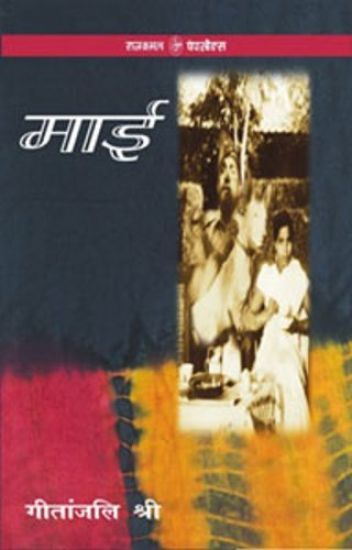
उत्तर प्रदेश के किसी छोटे शहर की बड़ी-सी ड्योढ़ी में बसे परिवार की कहानी। बाहर हुक्म चलाते रोबीले दादा, अन्दर राज करतीं दादी। दादी के दुलारे और दादा से कतरानेवाले बाबू। साया-सी फिरती, सबकी सुख-सुविधाओं की संचालक माई। कभी-कभी बुआ का अपने पति के साथ पीहर आ जाना। इस परिवार में बड़ी हो रही एक नई पीढ़ी-बड़ी बहन और छोटा भाई। भाई जो अपनी पढ़ाई के दौरान बड़े शहर और वहाँ से विलायत पहुँच जाता है और बहन को ड्योढ़ी के बाहर की दुनिया में निकाल लाता है। बहन और भाई दोनों ही न्यूरोसिस की हद तक माई को चाहते हैं, उसे भी ड्योढ़ी की पकड़ से छुड़ा लेना चाहते हैं। बेहद सादगी से लिखी गई इस कहानी में उभरता है आज़ादी के बाद भी औपनिवेशिक मूल्यों के तहत पनपता मध्यवर्गीय जीवन, उसके दुख-सुख, और सबसे अधिक औरत की ज़िन्दगी। बगैर किसी भी प्रकार की आत्म-दया के। असल में अपने देखे और समझे के प्रति शक को लेकर माई की शुरुआत होती है। माई को मुक्त कराने की धुन में बहन और भाई उसको उसके रूप और सन्दर्भ में देख ही नहीं पाते। उनके लिए-उनकी नई पीढ़ी के सोच के मुताबिक-माई एक बेचारी भर है। वे उसके अन्दर की रज्जो को, उसकी शक्ति को, उसके आदर्शों को-उसकी 'आग' को देख ही नहीं पाते। अब जबकि बहन कुछ-कुछ यह बात समझने लगी है, उसके लिए ज़रूरी हो जाता है कि वह माई की नैरेटर बने।